One for the Blackbird, One for the Crow
55 pages • 1-hour read
Olivia HawkerOne for the Blackbird, One for the Crow
A modern alternative to SparkNotes and CliffsNotes, SuperSummary offers high-quality Study Guides with detailed chapter summaries and analysis of major themes, characters, and more.
Book Club Questions
Content Warning: This section of the guide contains discussion of graphic violence, illness or death, physical abuse, and emotional abuse.
General Impressions
Gather initial thoughts and broad opinions about the book.
1. What was your initial reaction to the novel’s opening, which begins immediately after a murder? How did starting the story in the aftermath of violence, rather than leading up to it, shape your reading experience?
2. The author, Olivia Hawker, drew inspiration from her own family history to write this novel, similar to her previous book, The Ragged Edge of Night. How did knowing this was a fictionalized account of real people on the American frontier affect your connection to the characters and their struggles?
3. Did you find the blend of harsh historical realism with Beulah’s spiritual, pantheistic worldview effective? How did these two different elements of the story work together for you?
Personal Reflection and Connection
Encourage readers to connect the book’s themes and characters with their personal experiences.
1. Nettie Mae and Cora’s journey to forgiveness is slow and difficult, born more from necessity than a change of heart. What did their evolving relationship suggest to you about the nature of forgiveness, especially in the wake of a deep betrayal?
2. The Bemis and Webber families are forced into a reluctant alliance because they are the only neighbors for 20 miles. How has this story made you think about the idea of community and the role neighbors play in our lives, whether in isolated settings or busy cities?
3. Beulah finds deep meaning and comfort in the cycles of the natural world, from the life in a corn kernel to the patterns of birds. Have you ever found that connecting with nature helps you make sense of difficult life events?
4. Clyde consciously works to reject the violent, domineering model of manhood inherited from his father. What aspects of his struggle to redefine masculinity felt particularly relevant or resonant to you?
5. Cora desperately wants to return to the society of St. Louis, while her daughter, Beulah, feels completely at home on the prairie. Whose perspective did you empathize with more, and why do you think they had such different reactions to their environment?
Societal and Cultural Context
Examine the book’s relevance to societal issues, historical events, or cultural themes.
1. The novel is set against the backdrop of the Homestead Act, which presented immense challenges to settlers. How does the story’s depiction of frontier life compare to other portrayals of the American West you’ve seen in books or movies? Does it challenge or reinforce the romantic myth of the rugged pioneer?
2. A central tension in the novel exists between Nettie Mae’s rigid Christian morality and Beulah’s pantheistic reverence for nature. What does this conflict reveal about the different belief systems at play on the 19th-century American frontier?
3. The arrival of the president’s china introduces issues of class, social shame, and legitimacy into a community focused on basic survival. How did this object change the power dynamics between Cora and Nettie Mae, and what does it say about the social codes of the era?
Literary Analysis
Dive into the book’s structure, characters, themes, and symbolism.
1. The story is told from the rotating perspectives of Beulah, Clyde, Cora, and Nettie Mae. How did hearing from each of these characters shape your understanding of the central tragedy and the path toward reconciliation? Which character’s viewpoint did you find most compelling?
2. What is the significance of the two-headed lamb? How does this “miracle” or “monster” act as a catalyst for Clyde’s final break from his father’s violent legacy?
3. Nettie Mae Webber and Cora Bemis begin the novel as foils, one hardened by grief and the other paralyzed by guilt. How does the author use crises like the flash flood and the chimney fire to dismantle their opposition and build a foundation for their eventual friendship?
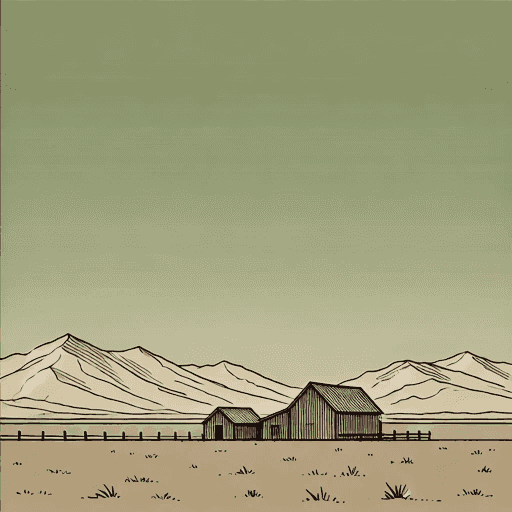
4. How does the harsh Wyoming landscape function as more than just a backdrop in the story? In what ways does the land itself seem to act as a character, influencing events and shaping the inner lives of the families?
5. Beulah’s profound, almost mystical connection to the natural world is central to the novel. How does her character compare to other figures in literature who are deeply tied to their environment, such as Kya in Delia Owens’s Where the Crawdads Sing (2018)?
6. The motif of seeds and planting appears throughout the novel, from Beulah’s planting rhyme to the final scene at Substance’s grave. How does this recurring imagery develop the book’s central theme about the cyclical nature of life, death, and renewal?
Creative Engagement
Encourage imaginative and creative connections to the book.
1. What might Ernest Bemis’s experience in jail have been like? Write a letter from his perspective to Cora after receiving the news that the two families are living and working together for the winter.
2. Beulah’s planting rhyme, “One for the blackbird, one for the crow, one for the cutworm, and one to grow,” is a philosophy for living in harmony with nature. Create a new verse for this rhyme that could guide the families through another aspect of their lives, such as preparing for winter or raising their children.
3. What do you think the future holds for the united Bemis and Webber families 10 years after the novel ends? Describe a scene showing what their lives might look like as a single, thriving homestead.

Unlock all 55 pages of this Study Guide
Get in-depth, chapter-by-chapter summaries and analysis from our literary experts.
- Grasp challenging concepts with clear, comprehensive explanations
- Revisit key plot points and ideas without rereading the book
- Share impressive insights in classes and book clubs