Symbols & Motifs
Joe’s Gun
Joe’s government-issued sidearm is a symbol of Joe’s self-image, which is inextricably linked with his profession as a game warden. Throughout the novel, events involving Joe’s gun reflect his emotional state or internal conflicts. The narrative opens with an incident involving the gun wherein Ote Keeley disarms Joe and points the gun back at him. This situation illustrates Joe’s insecurity in his new position and the hostility he faces from the local community for taking the legendary Vern Dunnegan’s place. Joe later reflects on how this incident made him feel like a part of him died, and from that point on whenever the gun gets mentioned, Joe doubts himself and his chosen career path. Sheriff Barnum knows the incident is a point of embarrassment for Joe, so he purposely jokes about the situation to gauge the new warden’s reaction.
When Joe loses his gun for good in the fire at Clyde Lidgard’s trailer, this event is symbolically significant in two ways. The melted gun symbolizes how far Joe has strayed from the original duties of his role by investigating the murders, but it also represents the exterior forces that are sabotaging him in his quest for the truth. Joe eventually buys a new gun—one of his own choosing—which indicates a shift in his mindset from a professional curiosity in the case to a personal vendetta against the conspirators. When Joe takes Wacey’s government revolver, shoots him, and places it in his own holster, his actions symbolize Joe taking back his sense of self while also stripping Wacey of the honor of being a game warden—a position Joe reveres.
Vern’s Shadow
The image of Vern’s shadow appears when Joe reflects on Vern’s influence in Twelve Sleep County. The image of the shadow connects to the theme of The Pressure of Living up to Expectations, as it comes to symbolize Vern’s legendary reputation that Joe feels he competes with, literally living in the other man’s shadow. Even when Vern isn’t physically present, his legacy influences how the locals interact with Joe, usually negatively. For example, Ote gets angry at Joe for not acting like Vern, who would let his poaching violation go, and Sheriff Barnum doesn’t call Joe to a nearby investigation because he is bitter that Vern is gone. Joe reflects, “It was Vern’s shadow that had probably prevented Joe from being notified that morning about the incident in the campground at Crazy Woman Creek” (53). Although Joe respects his mentor, he resents this shadow that Vern casts because it prevents Joe from making a name for himself based on his own deeds in Twelve Sleep County. The shadow also denotes how Vern still tries to control Joe, as when Vern arrives at Crazy Woman Creek to observe the expedition. Joe finally releases himself from Vern’s grasp when he decides to expose Vern, eradicating his shadowy presence with the light of the truth.
Endangered Species
In a motif throughout the novel, characters employ language alluding to endangered species to describe characteristics or conditions that should be protected. This language is primarily used to describe Joe, whose staunch morality and unwavering ethical code make him stand out in a world of cruelty and selfishness. Marybeth calls Joe “the last of [his] kind” (193), which at once describes the uniqueness of his personality as well as her desire for him to keep these traits safe. Marybeth doesn’t want Joe to change who he is just for a better-paying job, and she would rather he stay true to his character than chase a line of work he doesn’t love. Vern also calls Joe an endangered species because he has a wholesome family who loves him. Vern, however—a character who does not care about real-life endangered animals—also slyly uses this description to manipulate Joe. He knows Joe wants to protect his loving family, so he emphasizes the uniqueness of Joe’s situation, and the importance of preserving it, to pressure him into taking the job with InterWest.
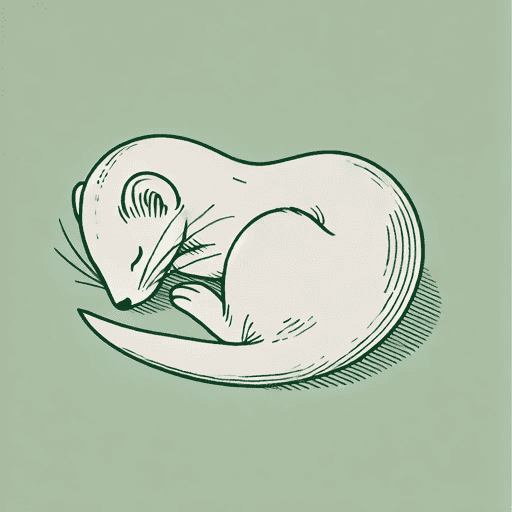
Sheridan’s interactions with the literal endangered Miller’s weasels illuminate her desire to protect her family. Initially, Sheridan sees the weasel family unit as a mom, dad, and single child. Sheridan lived alone with her parents for the first four years of her life, but she finds herself in a changed situation as she gains new siblings. Sheridan fears that her parents will give all their attention to the new baby and the young Lucy and will forget about her, so to her, the weasel family’s structure symbolizes her own idealized past and her parents’ love for just her. Sheridan feels guilty for feeling this way, but her lack of friends and less attention from her parents make her extremely lonely. After Wacey threatens Sheridan, she begins viewing both the animals and her family as literally endangered, and she does what she thinks is right—keeping Wacey’s secret—to protect her family from harm. At the end of the text, Sheridan connects her experience to the experience of an endangered animal, as her family “were in great danger, and now they’re doing okay. They’re a family again” (277). Sheridan thus uses the weasels to understand her own situation and complicated feelings.

Unlock the meaning behind every key symbol & motif
See how recurring imagery, objects, and ideas shape the narrative.
- Explore how the author builds meaning through symbolism
- Understand what symbols & motifs represent in the text
- Connect recurring ideas to themes, characters, and events