44 pages • 1-hour read
Ophie's Ghosts
A modern alternative to SparkNotes and CliffsNotes, SuperSummary offers high-quality Study Guides with detailed chapter summaries and analysis of major themes, characters, and more.
Symbols & Motifs
Content Warning: This section of the guide includes discussion of death and racism.
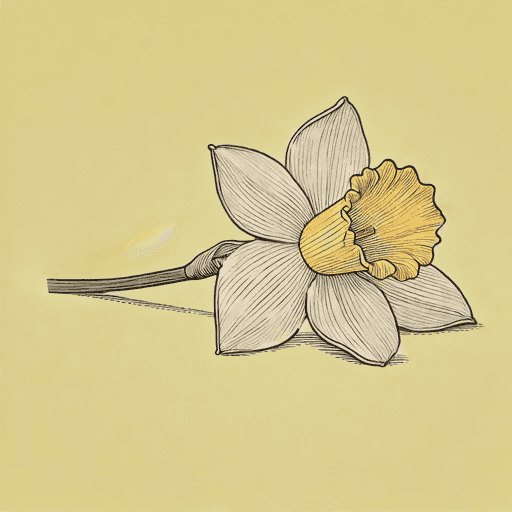
Daffodil Manor
Daffodil Manor is symbolic of white supremacy. Owned by the wealthy, white Caruthers family, the house represents the novel’s overarching sociopolitical system. The house itself is imposing and austere. From the moment Ophie arrives at her new workplace, she is overcome by an “overwhelming sense of dread” because she has “never seen a house like that before, and the way it loom[s] ma[kes] her feel small and insignificant” (35-36). The sprawling house is filled with empty, unused rooms, and its sheer size is a display of the Carutherses’ social status, conveying a sense of their excessive wealth. The Carutherses’ manor is therefore a way for them to display their social power.
Daffodil Manor is also filled with the ghosts of people who either lived or worked there. The ghosts cannot move on because of what they have suffered in the house. Throughout Ophie’s time working as Mrs. Caruthers’s caretaker, she interacts with these ghosts, desperate to understand more about who they were and why they haven’t moved on. She is particularly intrigued by Clara, a young woman who passed for white, fell in love with Richard Caruthers, and met her death at Mrs. Caruthers’s hand. Clara’s presence at the house conveys how much history the space holds and how desperate the Caruthers are to hide the truth of their violence, racism, and misdeeds.
Ghosts
The ghosts with whom Ophie interacts throughout the novel are symbols of memory, longing, and erasure. The ghosts are everywhere Ophie goes. She meets them on the train, trolley, and streets; in her aunt’s garden; at the movies; and, most often, at Daffodil Manor. When Ophie first starts seeing the ghosts and hearing their requests, she is unsure of how to attend to their needs. She fears that her mother will scold her for talking to or about ghosts, but over time, Ophie learns that ghosts are just formerly living people who still want to be understood. They represent human longing, which transcends even death.
The more empathy Ophie shows to the ghosts, the more she learns about the past. Many of the ghosts feel as if their stories have been lost with their deaths. They are eager for Ophie to listen to them because they are hopeful that she will seek out the truth and honor their stories. They long to be remembered so that their memories can live on in the hearts of the living.
Despite warnings from Mama, Cook, and Aunt Rose, Ophie has a particular affection for ghosts. The “apparitions ha[ve]n’t gone anywhere” since her father’s death (31). His was the first ghost she saw, an encounter that has left her with complex feelings of sadness and nostalgia. She misses her father and is sometimes sad that his ghost didn’t linger on with her. At the same time, she is thankful that he comforted her before he moved on. His ghost inspires Ophie’s sympathy for the ghosts in Pittsburgh.
Attic
The attic at Daffodil Manor is a symbol of the past. The attic does not have electricity and is filled with heaps of old mementos and forgotten objects and possessions. These collections symbolize buried stories and forgotten histories. This is where Clara spends most of her time, as it is where she was killed. The attic is also where she used to stay and was the last place she was happy since that’s where she got ready for the party where she and Richard Harrison were about to announce their engagement. This story has been hidden by Mrs. Caruthers, who has hidden the truth from the rest of the family just as she hid Clara’s body in the house.
Ophie starts spending time in the attic after she learns that this is where Clara likes to linger. She makes excuses to sneak off to the attic, desperate to learn more about her new ghost friend. The attic itself is grateful for her presence, as she brightens the space and offers hope that the attic won’t be forgotten. As one of the interludes reveals, the personified attic feels “delighted” when Ophie spends time there. The space itself is described as a female presence who “stretche[s] contentedly as her windows [are] scrubbed and cobwebs were dusted away,” and “[s]he creak[s] and settle[s] under the girl’s footfalls, and fe[els] a little less lonely (182-83). The attic also holds the dormant stories of many lives. Once Ophie starts spending time here, she uncovers these stories, beginning with Clara’s. The image of her cleaning away the cobwebs and dust is symbolic of her determination to dig up the past and shed light on it.

Unlock the meaning behind every key symbol & motif
See how recurring imagery, objects, and ideas shape the narrative.
- Explore how the author builds meaning through symbolism
- Understand what symbols & motifs represent in the text
- Connect recurring ideas to themes, characters, and events