Our Last Resort
51 pages • 1-hour read
Clémence MichallonOur Last Resort
A modern alternative to SparkNotes and CliffsNotes, SuperSummary offers high-quality Study Guides with detailed chapter summaries and analysis of major themes, characters, and more.
Chapters 19–27Chapter Summaries & Analyses
Content Warning: This section of the guide includes discussion of sexual abuse, rape, and death.
Chapter 19 Summary: “Escalante, Utah: The Sixth Day”
Frida asks Gabriel about his interview and notices that he declines to tell her about his two glaring falsehoods. She wonders about this, but then concludes that Gabriel has always been mysterious. As a child, he would often return from class or chores in silence, with shoulders slumped. She never realized then how much it mattered to him to be “good.” He was always so mischievous, but there was something else at the core of him that sought approval. She thinks of this now and wonders if he feels the same way around Detective Harris that he did when they were children, among the mothers. Gabriel suggests going on the hotel’s guided group hike. Although she does not want to, Frida realizes that the alternative would be to sit in the hotel with William. She agrees to go.
Chapter 20 Summary: “The Only Town We Knew, Hudson Valley, and Outside Outside: Eighteen Years Ago”
In a flashback, Frida recalls how she and Gabriel continued to sneak into town. One day, they inquire at a bar if the bartender, Joan, will give them a glass of water. She does, and she also tells them that they are welcome to return any time. Frida is initially fearful that Joan will ask if they are from the cult and is relieved when she does not. Years later, she will realize that Joan must have known all along. She was kind to them, and often, when Frida and Gabriel showed up asking for water, she gave them free soda and food. She even tried to give them clothing, although they could not take it.
Chapter 21 Summary: “Escalante, Utah: The Sixth Day”
In the present timeline, Frida and Gabriel are on the guided hike with the hotel group. Frida finds the hike excruciating. It is hot, the guide keeps excitedly talking about how much better hikes will be when AI takes over for human guides, and she finds the rest of the guests irritating. Seeing the wounded coyote, she tells Gabriel that she will catch up. As she is wondering how she can get food to the animal, she notices Sabrina’s phone lying in the dirt. Frida wants to look through it, but as she bends down to grab it, the coyote becomes agitated. She realizes it must have babies nearby. She lunges for the phone, and the coyote lunges for her. It nips her ankle, but she manages to get the phone. When she makes it back to the group, everyone is arguing. Gabriel explains that they are bickering about their alibis and whereabouts on the night of the murder.
Chapter 22 Summary: “The Only Town We Knew, Hudson Valley: Eighteen Years Ago, and then Seventeen Years Ago”
The other children in the cult are aware that Frida and Gabriel sneak out, but no one would dare tell on them. They learn of other secrets in the cult: a stash of stale bread, a hidden library full of steamy romance novels. There are darker rumors too: Some of the teenage boys allege that Émile abuses the cult’s women.
Chapter 23 Summary: “Escalante, Utah: The Sixth Day”
Frida finally confronts Gabriel about his lies to the police, and a massive argument ensues. He interprets her questions as an accusation and even wonders aloud if she has always thought him guilty of Annie’s murder. Frida tries desperately to diffuse the situation, but it only escalates. Gabriel begins yelling and even throws part of his electric toothbrush across the room. Undercurrents of resentment that Frida had long intuited but had no confirmation of rise to the surface. It is clear that Gabriel resents her career success and feels that she abandoned him after Annie died. She was sure he was the one who pulled away, but she cannot quite get the words out to tell him this during their argument. It even seems at one moment that he regrets leaving the cult. Without resolution, he storms out of the hotel room telling Frida not to follow.
Chapter 24 Summary: “Escalante, Utah: The Sixth Day”
Chapter 25 Summary: “The Only Town We Knew, Hudson Valley: Fifteen Years Ago”
In a flashback, Frida recalls her 18th birthday. Edwina wakes her up and leads her to a bedroom she’s never been in before. Émile is waiting for her. While Edwina holds her down, he sexually assaults Frida. Frida realizes then that he must do this to all the girls. One of the boys confirms it, noting that Émile always waits until they turn 18. Everyone in the cult is aware of it. Frida is angry and disgusted, even more so when Émile snips off her white bracelet and ties on the blue bracelet that all adults get. She feels soiled by it and knows she must leave the cult. She asks Gabriel to go with her, and at first he does not want to. However, he, too, is aware of what Émile does to the girls, and he soon agrees. He argues that they need to do something other than just leave to prevent Émile from harming anyone else.
Chapter 26 Summary: “Escalante, Utah: The Sixth Day”
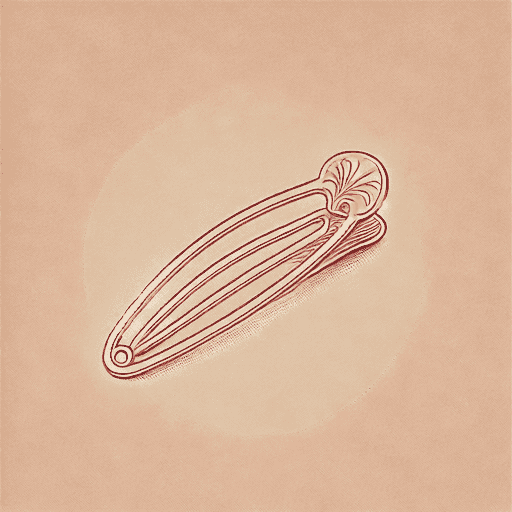
In the present timeline, Gabriel is still gone, and Frida worries. She does not know why he is lying to the police or even if he did so on purpose. Nervously, she begins to tidy their room. Gabriel is messy, but she values order. It helps soothe her anxiety. Although she knows she shouldn’t, she sorts through his things. She finds nothing suspicious until the very end of her search: For some reason, Gabriel has Sabrina’s hair clip in his backpack.
Chapter 27 Summary: “The Only Town We Knew, Hudson Valley, and Outside Outside: Fifteen Years Ago”
In a flashback, Émile gathers everyone around a campfire to tell stories and shares a tale about a young girl who saves the day. He tells everyone that girls are special and will all become powerful. Looking back, Frida can see how manipulative this was, since he was telling his victims that they are actually empowered. He becomes so animated while speaking to the group that he doesn’t notice when part of his shirt catches on fire. The mothers quickly put it out, but it gives Gabriel an idea. On the night they plan to make their escape, they burn down the building that houses Émile’s office and bedroom. The fire kills a person, and they assume it is Émile. However, the novel later reveals that it is Edwina who dies in the blaze.
Chapters 19–27 Analysis
These chapters deepen the novel’s psychological complexity by turning more fully to Gabriel’s characterization while continuing to trace Frida’s processing of their shared past. While Frida subscribed to Émile’s worldview as a child, she was able to break free from his control as a teenager. His mistreatment of Gabriel and her realization that many of Émile’s lectures made no sense gave her the emotional distance she needed to strike out on her own. Gabriel’s trajectory, however, was different. Frida notes his desire to be “good,” to be a docile member of the cult community, and to win the approval of the mothers and their leader. Frida worries that his present-day lies to the police echo his early tendency to defer to authority and to smooth conflict rather than confront it directly. This underscores the theme of Reclaiming Identity in the Aftermath of Abuse: Gabriel’s moral grounding in adulthood is affected by the forced compliance of his childhood in the cult.
Yet, Gabriel is not merely passive. These chapters highlight his emotional volatility, as evidenced by his behavior during increasingly tense arguments when he accuses Frida of suspecting him in his wife’s death. Despite this moment of conflict, their bond remains strong, and The Moral Complexities of Unconditional Devotion is still a key thematic focal point. Frida continues to demonstrate her devotion to Gabriel through her response to the investigation into Sabrina’s murder: She worries constantly that Gabriel will become the investigation’s prime suspect. Though he has lied to the police detective, she is untroubled that he might be actually involved in the death. Her focus is not on justice for Sabrina but on safety for Gabriel.
These chapters also focus on The Persistence of Trauma, especially through Frida’s recollections of her sexual assault at the hands of the cult leader. Émile demonstrates not only an abusive nature during this scene, but also his cunning: He waits until the girls’ 18th birthdays to rape them in order to evade prosecution for pedophilia. Of particular importance during this scene is the role that Edwina plays in the assault. One of Émile’s most vicious characteristics is the way that he makes his followers complicit in the cult’s abusive structure—thus, no one feels empowered to resist. The mothers are encouraged to punish the children using physical violence, rendering them a key part of Émile’s abusive leadership model. Young women like Edwina become accessories to sexual assault so that they, too, are unable to see themselves as blameless. Using mothers and young women to carry out his abuse also further divides the followers: The “divide and conquer” tactic isolates followers from one another and prevents collective rebellion.
Against this backdrop, Gabriel and Frida’s bond stands out as extraordinary. While the cult was designed to sever trust, they preserved their honest and supportive relationship. Looking back, Frida recalls that their minds were “superimposed to the point of transparency” and that there was “nothing that [they] wouldn’t talk about” (117). Yet, their single-minded devotion also drives them to make morally compromised decisions. They commit arson and murder as they exit the cult, which blurs the line between liberation and transgression.

Unlock all 51 pages of this Study Guide
Get in-depth, chapter-by-chapter summaries and analysis from our literary experts.
- Grasp challenging concepts with clear, comprehensive explanations
- Revisit key plot points and ideas without rereading the book
- Share impressive insights in classes and book clubs