Paladin's Grace
61 pages • 2-hour read
T. KingfisherPaladin's Grace
A modern alternative to SparkNotes and CliffsNotes, SuperSummary offers high-quality Study Guides with detailed chapter summaries and analysis of major themes, characters, and more.
Important Quotes
“Stephen often felt as if he was a dog in a hen yard, a protector who might turn feral and the gods knew how much damage he might cause before he was brought down.”
(Chapter 2, Page 5)
Stephen compares himself to a guard dog surrounded by vulnerable animals, reflecting his fear that the violence within him could harm those he is meant to protect. The image captures how out of place he feels in the peaceful Temple of the Rat after the death of his god. It reveals his constant worry that the power which once served a divine purpose may now become dangerous and uncontrolled.
“It is all darkness and fumbling and rage. It is a black tide lapping over my head, where once the god poured golden fire over my nerves and turned me into the holiest of killers.”
(Chapter 3, Page 16)
Stephen remembers the divine power that once guided him and contrasts it with the uncontrolled rage that replaces it after his god’s death. The image of a “black tide” shows how overwhelming and frightening this new force feels to him. The line also reflects the strange contradiction of his former role, where violence was treated as sacred service.
“For a moment the rage touched him, the black tide lapping at his feet…and there would be no god to draw him back from the tide. And there was an innocent in his arms.”
(Chapter 5, Page 25)
This moment shows how quickly Stephen’s rage can rise when he feels threatened or insulted. Without the guidance of his god, he must rely on his own restraint to stop himself from losing control. Holding an innocent child reminds him of the responsibility he now carries and helps him resist the violent impulse.
“Leather, metal, gingerbread. Soap. Warm skin. It had been a good scent. And there was just no way to reproduce it. You couldn’t distill skin.”
(Chapter 6, Page 36)
Grace experiences the world through scent, and her description of Stephen reveals how carefully she studies smells as part of her craft. The detailed list of scents shows how she remembers people through the fragrances they carry. Her realization that some qualities cannot be recreated in perfume hints at the growing personal significance Stephen has for her.
“He wished that he could break out his knitting, but for some reason, people didn’t take you seriously as a warrior when you were knitting…And god forbid the tide rose and he went berserk. You never got the knitting untangled after that; you usually just had to throw it away completely.”
(Chapter 10, Pages 67-68)
“If the black tide rose now, he could push forward…The Prince himself would fight, but by then the tide would be over his head, and Stephen need only trust to it.”
(Chapter 11, Page 76)
Stephen senses that his anger could quickly grow into the uncontrollable rage that once defined his life as a paladin. The image of the tide rising shows how easily he could lose himself to that violence if he allowed it. His thoughts reveal the constant effort required to hold that power in check.
“‘It’s all right,’ said Stephen, in that terribly kind voice. He kept his hand across the would-be assassin’s forehead, gently wiping the sweaty hair out of his face. ‘It’s all right.’ It wasn’t all right, and would never be, but something in Grace’s gut wanted desperately to believe him.”
(Chapter 13, Page 93)
“‘Look, I don’t need you to keep rescuing me,’ she said.”
(Chapter 17, Page 125)
Grace pushes back against the idea that she needs saving. Her response reflects a long history of protecting herself and maintaining control over her own life. The statement shows how important independence and self-reliance have become to her.
“Lust was too close to passion and passion was much too dangerous when you were basically a berserker fit looking for a place to happen.”
(Chapter 17, Page 126)
Stephen worries that strong emotions could trigger the violent rage he struggles to control. His growing attraction to Grace therefore feels dangerous rather than comforting. The line shows how closely he associates intense feelings with the risk of losing control.
“Once it woke up, my choices were very limited. Join the order or risk finding myself running berserk with nothing to stop me. The choice was easy, in the end.”
(Chapter 19, Page 145)
Stephen explains that becoming a paladin was not a heroic calling but the safest way to control the violent power inside him. Joining the order gave him structure and guidance that kept that rage contained. His words reveal how much of his life has been shaped by the need to manage that dangerous force.
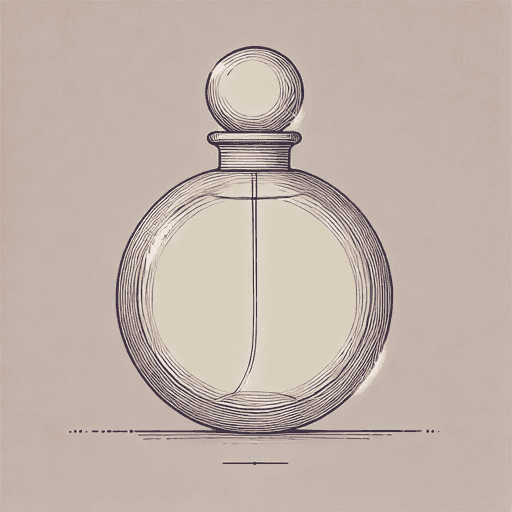
“Imagine that you had a bottle inside your chest…And then one day, without warning…it shattered…And you are left with broken glass in your chest, and every time you move, it cuts you to ribbons.”
(Chapter 22, Page 173)
Stephen describes what it felt like when his god died. The shattered bottle represents the lasting pain he now carries inside him. His explanation helps Grace understand how deeply that loss still affects him.
“Stephen lifted his head and stepped back. ‘I’m sorry,’ he said, releasing her. ‘That shouldn’t have happened.’”
(Chapter 25, Page 204)
After kissing Grace, Stephen immediately pulls away because he worries that strong emotions could lead to losing control of his violent rage. His apology reflects how carefully he tries to manage his feelings. The moment shows how fear continues to shape his relationships.
“‘Why do you all smell like gingerbread?!’…‘Oh. The cinnamon and ginger. It’s a muscle rub that our brother István makes…It works very well, but it does smell rather strong.’”
(Chapter 26, Page 216)
Grace realizes that the scent she associated with Stephen is actually a shared remedy used by the paladins. The discovery disrupts the personal meaning she had attached to the smell. The scene also reveals how everyday details of the paladins’ lives replace the mystery that once surrounded them.
“‘We were only ever killing machines,’ Stephen said. ‘But at least there was a way to turn us off. Now…’ He raised his hands helplessly. ‘Now we just keep going, like the golems did. Easier not to start at all.’”
(Chapter 27, Page 227)
Stephen reflects on how the paladins once relied on their god to control the violent power within them. Without that guidance, they must manage the danger on their own. His comparison shows how frightening it feels to carry that power without any clear limit or restraint.
“This is it. This is where it all goes wrong and everything gets taken away. You knew it was only a matter of time.”
(Chapter 28, Page 233)
Grace reacts to the theft of her notebooks with a sense of inevitability shaped by earlier experiences of loss. The thought reflects how strongly she expects the things she values to disappear. Her reaction shows how closely her work and her sense of security are connected.
“With Grace’s head tucked under his chin and his arms around her, he realized that this, at least, was a certainty that humans could give each other.”
(Chapter 32, Page 271)
Stephen realizes that comfort and trust can come from other people even after losing the certainty his god once provided. Holding Grace gives him a sense of stability that he had not expected to find again. The moment shows him beginning to build a new understanding of purpose through human connection.
“If you have things, you lose them. They all get taken away. You always lose everything eventually.”
(Chapter 35, Page 287)
Grace expresses the belief that anything valuable in life will eventually be lost. Her words reflect how deeply past experiences have shaped her expectations about relationships and security. This outlook explains why she often tries to protect herself from emotional attachment.
“‘Those are my journals!’ said Grace. ‘My recipe books!’…‘Collecting evidence is hardly stealing. Particularly not books of poison.’”
(Chapter 36, Page 294)
Grace’s journals contain the formulas and knowledge she has built through years of work. During the trial, that knowledge is reinterpreted as evidence of wrongdoing. The exchange shows how easily her work can be misunderstood and turned against her.
“The tide roared in Stephen’s ears…He would have liked very much to close his hands over Phillip’s throat, but he was not quite so far gone as that. Instead he placed both hands on the railing of the little witness box. The wood let out a groan of strain…The wooden railing snapped in half.”
(Chapter 38, Page 318)
Stephen struggles to control his anger while listening to Phillip attack Grace in court. The pressure of that anger becomes visible when the wooden railing breaks under his grip. The moment reveals how close he is to losing control and how hard he works to restrain himself.
“He had been fighting against it for three years now. With occasional slips, he had held up well. But in the end, he always knew he’d fall from grace at last. One of the very last paladins of the Saint of Steel turned and embraced the tide.”
(Chapter 39, Page 324)
Stephen finally stops resisting the violent power he has tried to contain since his god’s death. He accepts that he may need to use that strength to survive the danger he faces. The decision shows how his relationship with that power has changed over time.
“Nothing left to lose…except a broken man who had given up what little he had left to save her.”
(Chapter 41, Page 341)
Grace realizes that Stephen has risked everything in order to protect her. The thought changes how she sees her situation and the choices before her. She decides to remain with him rather than focus only on her own escape.
“Why don’t we just agree that this is…ah…a trial run and neither of us may be at our best? And if we survive, we’ll work the rest out later.”
(Chapter 42, Page 348)
Stephen speaks gently to reduce Grace’s anxiety before they become intimate. His words show patience and care for her comfort. The moment reflects the trust developing between them.
“The seven men and women standing between her and DuValier were suddenly no longer seven individuals but a single unit, linked by an unseen bond. She could almost see the air vibrating between them.”
(Chapter 43, Page 359)
The paladins gather together in preparation for a dangerous confrontation. Their shared purpose creates a strong sense of unity among them. Grace recognizes how closely they are connected through their experiences and loyalty to one another.
“I am sorry to inform you of this, my dear paladin, but your berserker fit did slightly less damage than the average bar fight. I am aware that you were apparently killing machines under certain circumstances, but I fear those circumstances have not been met.”
(Chapter 46, Page 376)
Bishop Beartongue reassures Stephen that his loss of control caused far less damage than he feared. The comment challenges Stephen’s belief that he is inevitably dangerous. It encourages him to reconsider how he understands his own actions.
“She darted a glance over her shoulder and saw Stephen leaning against the wall by the door, arms folded. Backup. In case I need him…This was her place, and he trusted her to handle herself, and to let him know if she needed his help.”
(Chapter 48, Page 390)
Grace notices that Stephen stands nearby while allowing her to confront Phillip on her own terms. His presence offers support without taking control of the situation. The moment reflects the respect and trust that shape their relationship.

Unlock every key quote and its meaning
Get 25 quotes with page numbers and clear analysis to help you reference, write, and discuss with confidence.
- Cite quotes accurately with exact page numbers
- Understand what each quote really means
- Strengthen your analysis in essays or discussions