55 pages • 1-hour read
Parents Weekend
A modern alternative to SparkNotes and CliffsNotes, SuperSummary offers high-quality Study Guides with detailed chapter summaries and analysis of major themes, characters, and more.
Part 4-Reader’s NoteChapter Summaries & Analyses
Content Warning: This section of the guide includes discussion of child illness, death, and substance use.
Part 4: “Graduation Weekend: Three Years Later”
Part 4, Chapter 65 Summary: “The Roosevelts”
Cynthia is now the Secretary of State, and her security protocol is even more rigid than before. She has dinner with Blane and Mark to celebrate their graduation. Hank attends as well. He stopped drinking after the five’s abduction and released a new book last year. He and Cynthia are mending their relationship for Blane’s sake.
Blane and Mark have a summer trip to Europe planned, after which Mark will work with an AI startup in Silicon Valley, and Blane will attend a Georgetown graduate program in international politics. He recently told Cynthia he wants to be like her.
Part 4, Chapter 66 Summary: “The Goffmans”
Alice is struggling to cope with her grief over Felix’s death, especially on the day he would have been graduating. The dean, who has everyone working on Saturday because of graduation, is being rude and dismissive, as usual. Alice quits her job, thinking today should have been a new start for her son, but at least it can be one for her.
Part 4, Chapter 67 Summary: “The Akanas”
Ken retired so he and Amy could travel around Europe. Now they hold hands, kiss, and laugh again, and Amy realizes they’re happy. Libby lost some of her spark after the trauma of freshman year, but she’s finding it, and herself, again. At graduation, Libby announces she’s not going to law school as she’d planned since childhood. Instead, she’s taking a job at St. Jude’s, the children’s research hospital, to help other families affected by childhood cancer.
Part 4, Chapter 68 Summary: “The Maldonados”
Nina and Stella are enjoying drinks at a bar in celebration of Stella’s graduation. Stella dismisses her father’s apologies for not attending, a pattern she’s apparently used to. David and Nina divorced shortly after parents weekend. Nina heard Cody got treatment and is doing better. Stella will be attending medical school.
Part 4, Chapter 69 Summary: “The Kellers”
Keller, Bob, and the twins arrive in Washington, DC. Keller’s mentor, Stan, picks her up and takes her to Quantico to watch Annie graduate from the FBI training program. The events of parents weekend, along with support from Keller and McCray, helped Annie find her purpose, one of the few good things that resulted from the tragedy.
Part 4, Chapter 70 Summary: “The Four”
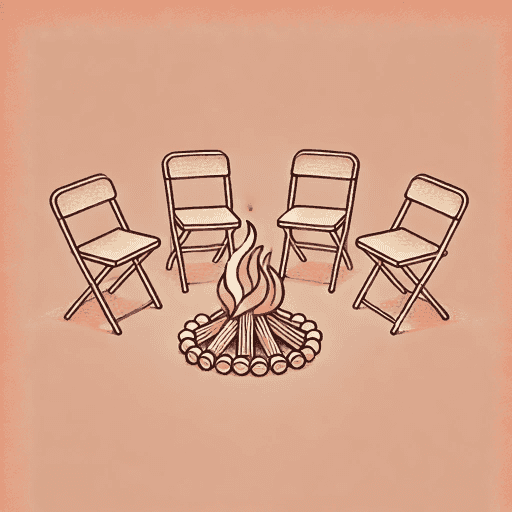
Blane, Mark, Libby, and Stella are all together for the first time since parents weekend. Standing around a bonfire at Panther Beach, they offer a prayer of tribute to Natasha and Felix. Then they depart, ready to begin their new lives.
Reader’s Note Summary
In a brief note about research and setting for the novel, the author assures readers his depiction of Santa Clara University is not a true reflection of the school, apart from his portrayal of the campus’s beauty. Finlay attended a parents weekend event at the school for his son, which was part of his inspiration for the premise. He calls the school “one of the country’s finest institutions” and hopes they’ll forgive his creative license, adding: “This is a thriller, after all” (307). The note also gives thanks to several entities and individuals who provided information about the FBI, campus police, legal procedures, and other subject matters.
Part 4-Reader’s Note Analysis
Part 4 provides resolutions for many of the book’s conflicts, both internal and external. Although the primary conflict between the five missing students and their abductors, Mr. and Mrs. Belov, ends with three people dead, four of the five students who thought they wouldn’t make it out alive end up surviving, forever marked by the trauma of their experience. Finlay’s resolution paints both of the story’s antagonists, Mr. Belov and Professor Turlington, as flawed and nuanced humans, rather than purely evil, underscoring The Duality of Public Perception Versus Private Reality. Mr. Belov acts out of grief over the victimization and death of his daughter, and Professor Turlington leaves behind a wife and two infants who loved and relied on him. Felix, perhaps the gentlest of the students, is ironically the one student who loses his life to violence, ending the narrative on a somber note. The varied resolutions of the different marital conflicts—David and Nina split up, Ken and Amy rekindle their love for each other, and Hank and Cynthia learn to get along better and become more effective co-parents—reinforce the notion that family secrets will eventually come to light, but not without damage being done.
In the aftermath of parents weekend, a new conflict emerges: The students and their parents must contend with the effects of trauma and grief. The fact that Part 4 occurs three years later positions it as an epilogue to the story. Several characters demonstrate that dealing with trauma has helped them confront other conflicts in their lives. Libby’s choice to work for St. Jude’s, for example, shows she’s found a personally meaningful way to cope with her grief over her brother’s death. For his part, Blane uses humor to cope with what happened, “and to deal with everything else, for that matter” (290), but he’s learned to be serious about his future. His choice to follow in his mother’s footsteps demonstrates that he’s come to admire her strength and fierce protectiveness after going through an ordeal that demanded those very traits.
The setting of the final scene, a bonfire at Panther Beach, echoes the night that led to tragedy three years prior, the night of Natasha’s death. Fire is often symbolically associated with purification, transformation, and renewal. The students’ actions—coming together around the fire, paying tribute, and disappearing into the night—symbolize their acceptance of what happened and their triumph over it. It’s a symbolic ritual of cleansing and healing, allowing them to move on with their lives while still acknowledging their loss and honoring the lives of their friends.

Unlock all 55 pages of this Study Guide
Get in-depth, chapter-by-chapter summaries and analysis from our literary experts.
- Grasp challenging concepts with clear, comprehensive explanations
- Revisit key plot points and ideas without rereading the book
- Share impressive insights in classes and book clubs