Radio Golf
42 pages • 1-hour read
August WilsonRadio Golf
A modern alternative to SparkNotes and CliffsNotes, SuperSummary offers high-quality Study Guides with detailed chapter summaries and analysis of major themes, characters, and more.
Symbols & Motifs
Golf
Content Warning: This section of the guide discusses racism.
In Radio Golf, golf is a symbol of success and assimilation. The game, historically associated with wealth, privilege, and exclusivity—including racist exclusivity, as many golf clubs expressly prohibited Black members—reflects a vision of success rooted in conforming to elite, white societal norms.
Both Harmond and Roosevelt are avid golfers and view golf as a means for African Americans to gain access to circles of power and influence. Harmond states, “You teach the kids how to play golf and they have all the rules they need to win at life” (23), drawing a parallel between learning the rules of the game to learning how to navigate societal structures. For him, golf represents opportunity and empowerment.
Roosevelt’s connection to golf is even deeper. He teaches the game and hosts a radio show titled Radio Golf. He recalls the feeling he experienced the first time he played: “I hit my first golf ball, I asked myself where have I been? How’d I miss this? I couldn’t believe it. I felt free. Truly free. For the first time” (13). Golf, for Roosevelt, represents access to spaces and opportunities historically denied to Black Americans. His excitement about playing with an influential figure like Bernie Smith reveals his aspirations for material success and elite acceptance. Roosevelt’s love of golf reflects his vision of success, one that focuses on integration into elite, white-dominated structures. Ultimately, Wilson critiques this vision of success, as it often comes at the cost of ethics and personal integrity.
The House at 1839 Wylie Avenue
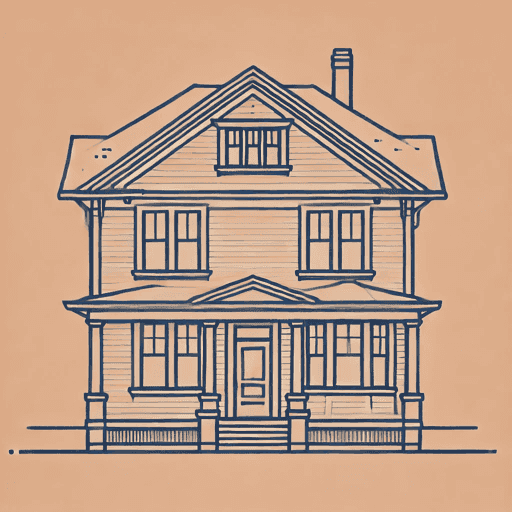
In the play, the house at 1839 Wylie Avenue symbolizes historical memory. Central to the plot, the house once belonged to Aunt Ester, a character from Wilson’s Gem of the Ocean and a recurring figure in his Century Cycle. Said to have arrived in America in 1619, Aunt Ester embodies both African and African American culture and the collective history of Black Americans. Because the house belonged to her, it shares in that history.
Harmond’s description of the house highlights its architectural beauty and cultural significance: “It’s a Federalist brick house with a good double-base foundation. […] It has beveled glass on every floor. There’s a huge stained-glass window leading up to the landing. And the staircase is made of Brazilian wood with a hand-carved balustrade. You don’t see that too often” (61). This description emphasizes that the house is not just a building but a cultural artifact, creating a contrast between the house’s unique beauty and the sterile redevelopment project set to replace it. The house also has a personal significance for Joe, Aunt Ester’s son, as well as for Sterling, who recalls Aunt Ester’s guidance during a difficult time in his life.
The planned demolition of the house represents the erasure of Black historical memory and culture in the name of urban renewal. Roosevelt, who doesn’t see its historical and cultural value, refers to it as a “raggedy-ass house” (78). For him, the house is nothing more than a relic of a past he is eager to leave behind. Harmond, however, recognizes its value and ultimately chooses to preserve it, acknowledging The Importance of Preserving Historical Memory and The Moral Complexities of Urban Development. His decision to fight for the house reflects his rejection of capitalist notions of progress and his commitment to honoring Black historical memory and culture.
Morality
Morality is a central motif in Radio Golf. The play revolves around a key question: Is it right to demolish the historic house at 1839 Wylie Avenue for modernization, even when its acquisition was illegal? This question forces the characters to grapple with the moral consequences of their actions.
Sterling is the play’s most consistent moral voice, standing in defense of Old Joe and his claim to the house. When Harmond tells him that the house will be torn down, Sterling responds, “That ain’t right” (51), and compares it to the historical injustices against Indigenous people. Sterling teaches Harmond a tangible lesson by comparing the house to Harmond’s stolen golf clubs: “That’s Mr. Barlow’s house. Got his initials on it. 1839 Wylie” (60). Regardless of the legal technicalities, to take Joe’s house out from under him amounts to theft.
Roosevelt represents the antithesis of Sterling’s conscience-driven worldview. Roosevelt prioritizes money and success over all ethical considerations. Dismissing the house’s cultural value, he argues, “Did you really think the judge was going to let that raggedy-ass house stand in the way of a multimillion-dollar redevelopment project?” (78). To Roosevelt, morality is irrelevant when financial success is at stake.
Harmond undergoes a moral transformation over the course of the play. Initially torn between his professional ambitions and the house’s significance, he ultimately chooses to preserve it, even at the cost of his personal and professional aspirations. By the end, Harmond embraces morality, recognizing the importance of honoring history and doing what is right.

Unlock the meaning behind every key symbol & motif
See how recurring imagery, objects, and ideas shape the narrative.
- Explore how the author builds meaning through symbolism
- Understand what symbols & motifs represent in the text
- Connect recurring ideas to themes, characters, and events