Rape Fantasies
34 pages • 1-hour read
Margaret AtwoodRape Fantasies
A modern alternative to SparkNotes and CliffsNotes, SuperSummary offers high-quality Study Guides with detailed chapter summaries and analysis of major themes, characters, and more.
Background
Authorial Context: Margaret Atwood
Content Warning: This section of the guide discusses rape, sexual violence, and gender discrimination.
Margaret Atwood is a Canadian author. She is best known for her 1985 novel The Handmaid’s Tale. In 2019, she released its long-awaited sequel, The Testaments. Atwood has published 17 full-length novels, and she has also published numerous standalone short stories, poetry collections, short story collections, nonfiction titles, essays, and children’s books. Atwood also releases short stories via Amazon Shorts. Her story “Cut and Thirst” (2024) was nominated for an Edgar Award. “Rape Fantasies,” originally published in The Fiddlehead literary magazine in 1975 and later included in Atwood’s 1977 collection Dancing Girls, helped solidify her reputation as a sharp observer of gender dynamics and the everyday distortions of power.
Atwood was born in Ottawa, Canada, in 1939, and lived between Ontario, Quebec, and Toronto over the years following. She later earned her undergraduate degree from Victoria College at the University of Toronto and earned her master’s degree from Radcliffe College of Harvard University. She studied English, French, and philosophy.
Atwood has taught English and writing at many universities, including the University of British Columbia, Sir George Williams University, the University of Alberta, York University, the University of Toronto, the University of Alabama, New York University, and elsewhere.
Over the course of her esteemed writing career, Atwood has received numerous awards and honors. Some notable awards include the 2000 and the 2019 Book Prize; the 2007 Kenyon Review Award for Literary Achievement, the 2016 PEN Pinter Prize; the 2013, 2019, and the 2020 Goodreads Choice Awards; and the 2020 Emerson-Thoreau Medal. While her novels like The Handmaid’s Tale and The Blind Assassin have received more mainstream recognition, Atwood’s short fiction is often praised by literary critics for its economy, wit, and psychological nuance. Stories like “Rape Fantasies” reveal her style within a short form, using limited space to explore complex social issues with irony.
Atwood is also known for her social activism. In 2018, she signed the American PEN Center appeal defending Oleg Sentsov, a Ukrainian political prisoner in Russia. In 2020, she signed the Harper’s Letter, or “A Letter on Justice and Open Debate,” expressing concern over the restriction of information in a liberal society. In 2022, Atwood wrote about the war in Ukraine and ran aid funds for the effort on Twitter/X.
With over 50 books published in more than 45 countries and languages, Atwood is a literary icon. Her fiction, nonfiction, and poetry are particularly known for their bold confrontation of social issues and political injustices. Atwood is a feminist author, and her works often deal with issues regarding women’s rights. Her publications also feature themes of freedom, autonomy, female friendship, political oppression, speculative political scenarios, or playful adaptations of Greek myths. Atwood consistently incorporates wit, humor, irony, and satire into her writing—rendering her work both accessible and challenging at once. This is especially true in stories like “Rape Fantasies,” where humor and discomfort are held in tension to expose contradictions in societal narratives around gender, violence, and control.
Many of Atwood’s titles have been adapted into films. Most notably, The Handmaid’s Tale was translated to the screen in a hit Hulu series starring Elizabeth Moss. The show’s 2017 first season won eight Emmys. Other adaptations of Atwood’s titles include the 2003 adaptation of The Atwood Stories by Shaftesbury Films, the 2017 miniseries adaptation of Alias Grace, and the 2010 documentary adaptation of The Year of the Flood.
Other notable titles by Atwood include The Blind Assassin (2000), The Penelopiad (2005), Power Politics (1971), Old Babes in the Wood (2023), Dearly (2020), and Double Persephone (1961). Atwood is writing a memoir, titled Book of Lives: A Memoir of Sorts, slated for publication in November 2025 from Penguin Random House.
Cultural Context: 1970s and Sexual Violence Awareness
Margaret Atwood’s “Rape Fantasies” was written in the mid-1970s, a decade marked by significant shifts in public discourse around gender, safety, and sexual violence. In both the United States and Canada, the feminist movement was gaining momentum, challenging long-held beliefs about women’s roles, autonomy, and the nature of consent. However, public service campaigns and mainstream media often trailed behind these cultural conversations.
During the 1970s, women were frequently told to modify their behavior to avoid assault: They were advised to stay at home, avoid going out after dark or alone, or always be accompanied by a man for protection. While framed as well-meaning safety advice, these messages placed the burden of prevention entirely on women and reinforced the idea that danger came exclusively from strangers in dark alleys. In 1979, the “Take Back the Night” movement was founded as a reaction to this messaging, resisting the idea that it was women’s responsibility to avoid sexual violence.
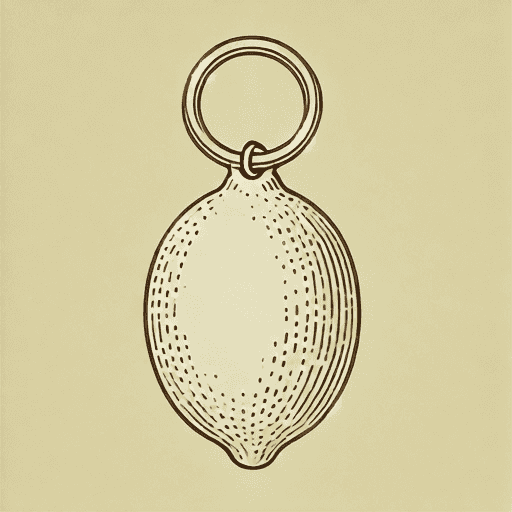
“Rape Fantasies” captures the dissonance created by such messaging. Estelle and her coworkers are surrounded by popular media that tells them how to avoid being raped but offers little clarity or empathy about what rape actually is, who commits it, or how women internalize these conflicting cultural signals. The story’s ironic tone mirrors the absurdity of a world in which women are expected to defend themselves with novelty items like plastic lemons while the deeper social causes of sexual violence go unaddressed.
This cultural backdrop is essential to understanding the story’s satire and critique. Atwood exposes how ambiguous and contradictory public narratives about rape contribute to confusion, fear, and even denial, complicating women’s ability to trust their own perceptions and experiences.

Unlock all 34 pages of this Study Guide
Get in-depth, chapter-by-chapter summaries and analysis from our literary experts.
- Grasp challenging concepts with clear, comprehensive explanations
- Revisit key plot points and ideas without rereading the book
- Share impressive insights in classes and book clubs