Reckless Girls: A Novel
54 pages • 1-hour read
Rachel HawkinsReckless Girls: A Novel
A modern alternative to SparkNotes and CliffsNotes, SuperSummary offers high-quality Study Guides with detailed chapter summaries and analysis of major themes, characters, and more.
Symbols & Motifs
The Dangers of Meroe Island
Content Warning: This section of the guide includes discussion of illness and death.
From the beginning of the novel, Hawkins establishes Meroe Island as a dangerous place, steeped in menacing lore. The island has a history of cannibalism, but reports also abound of its shark-infested waters, poisonous fish, biting insects, dense jungle interior, and brackish, unpotable water. All these external dangers, however, come to symbolize the real danger of Meroe Island, which is the way that its remote location impacts its visitors, emphasizing the novel’s thematic interest in The Psychological Impact of Isolation on Group Dynamics. There are several stories of visitors to Meroe who, impacted by the isolation, turn on one another.
The author’s depiction of Meroe Island and its many dangers facilitates her exploration of Trust and Betrayal in Relationships. Lux fixates on the sharks, the dense jungle, and the island’s poisonous fish, but what she does not initially realize is that the real “dangers” of Meroe Island are its visitors, whose basest instincts and impulses come to light on the remote island. Nico sleeps with Amma behind her back, Eliza and Brittany have come to the island in order to “punish” Jake and Amma, and even Jake is willing to resort to violence to protect his interests. It is only once Nico has betrayed Lux and the group’s dynamics have begun to show signs of strain that she understands that isolation can be toxic to both individuals and groups.
The Picture of Lux and Her Mother
The picture of Lux and her mother symbolizes Lux’s grief and the love they shared. Lux is the only character in the novel who is not ultimately revealed as duplicitous and unethical. Nico and the rest of the group have false personae that they adopt in order to conceal key truths about their actual personalities. They also lie about their pasts, their families, and their identities: Nico hides his lack of empathy, Brittany and Amma conceal their real identities, Jake does not admit to the source of his family’s wealth, and Eliza conceals the nature of her relationship with Amma and Brittany. Lux, however, does not lie about her past. She is not always comfortable discussing her mother’s illness and death, but she makes no effort to pretend to be someone else.
Hawkins characterizes Lux by the genuine relationships she has with other people: Lux and her mother were closely bonded, and Lux’s mother was her only real family. Losing her shook Lux to her core, and now all she has left are memories and a few photographs. Knowing her history, Nico criticizes Lux for wanting to bring the photograph (which he describes as “clutter”) on their trip—an early signal that Nico is not who he seems.
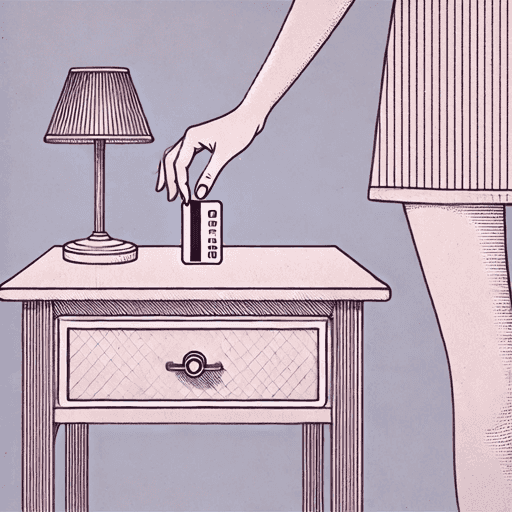
Pickpocketing
Pickpocketing is a key motif that represents the novel’s thematic interest in Female Agency and the Reclamation of Power. Through key flashbacks, Hawkins explores the complex relationships between Brittany, Amma, and Chloe/Eliza. The novel positions vigilante justice and pickpocketing as a reaction to systemic injustice—part of its broader engagement with “creative” responses to societal power imbalances between the wealthy and the under-resourced. Chloe/Eliza justifies stealing from wealthy male travelers in part because of the way that Jake’s affluent family preyed on her mother, who was a domestic worker in their household. Chloe/Eliza grew up in the shadow of Jake’s family and could not help but see all the ways in which they abused their power. Her mother became collateral damage in their trafficking operation, and no one in the family showed any remorse.
This experience left Chloe/Eliza with a deep-seated desire for revenge and became her justification for punishing any wealthy person, not just Jake and his family. Theft also became permissible within Brittany’s worldview once she found out the truth about Amma: She, too, is a wealthy individual who, because of her privileges, has been able to move with greater ease in the world and evade consequences for her actions. That Lux ends the novel having adopted Chloe/Eliza’s worldview and pickpocketing habit speaks to the way she interprets her time with Nico and even Jake. She has also realized that the wealthy get away with a range of bad behavior and cannot help but compare Jake and Nico to her father, who refused to help pay for her mother’s hospice care. Pickpocketing and “punishing” the wealthy represent acts of resilience for Chloe/Eliza, Brittany, and Lux.

Unlock the meaning behind every key symbol & motif
See how recurring imagery, objects, and ideas shape the narrative.
- Explore how the author builds meaning through symbolism
- Understand what symbols & motifs represent in the text
- Connect recurring ideas to themes, characters, and events