Reckless Girls: A Novel
54 pages • 1-hour read
Rachel HawkinsReckless Girls: A Novel
A modern alternative to SparkNotes and CliffsNotes, SuperSummary offers high-quality Study Guides with detailed chapter summaries and analysis of major themes, characters, and more.
Themes
The Psychological Impact of Isolation on Group Dynamics
Content Warning: This section of the guide includes discussion of death.
The psychological impact of isolation on group dynamics is evident both in the dark history of Meroe Island and in the way that social and behavioral norms break down among its visitors as their visit lengthens. Hawkins utilizes the story of Meroe Island both symbolically and as foreshadowing of the novel’s most violent events. All the characters experience stress while on the island, but Nico, Lux, and Amma in particular epitomize the psychological impact of isolation on the group.
Everyone in the group has heard the grisly stories about Meroe Island, and it influences the way that they see the space, both prior to and after their arrival there. The island is the storied site of a famous shipwreck, the sailors of which resorted to cannibalism in order to survive. Forgotten for decades, the island was used during World War II and then gradually became an off-the-beaten-track tourist spot. Lux particularly feels a sense of dread about the trip and readily believes the most lurid stories that Robbie tells her about its history of cannibalism and the eerie events that have befallen its various visitors. Robbie’s assertions that “people do what they gotta do to survive” and that the real monsters on Meroe Island are its visitors become creepily prescient (164), and much of what he predicts about Lux’s group ultimately comes true. Isolation removes the pressures of society to maintain decorum and behavioral norms, creating a sense of lawlessness that increases narrative suspense.
Nico is the first to manifest behavioral changes while on the island, signaling the early impact of the group’s removal from civilization. Although prior to the trip, he’d seemed laid-back and empathetic, time alone on the island renders him combative and insensitive. He no longer treats Lux with the care that he did in San Diego or Hawaii, and there are even moments of tension with Jake. At one point, Robbie points out that in places like Meroe, the difficulties of isolation combined with other stressors like fear and rustic living conditions cause people’s worst selves to emerge. He asserts that it becomes harder for an individual to keep “the mask” on when they are more focused on survival—an assertion that Hawkins reinforces again and again as each member of the group reveals their true colors.
Lux also experiences isolation as a distinct kind of stress. She is self-reflective and observant, if not entirely attuned to red flags, and she picks up on the various interpersonal conflicts around her with increasing ease. She recognizes Nico’s change in behavior and remains particularly attuned to Amma’s moodiness and obvious romantic interest in Nico. Robbie, too, becomes a source of stress for Lux. She finds him “creepy,” but beyond his uncouth manner of speaking, disheveled appearance, and inappropriate jokes, he scares her with his stories of Meroe and makes some valid points about the worst parts of human nature. Because Lux spends so much time observing her fellow travelers, she realizes that people do change when they are removed from society. As the trip lengthens, she finds herself desperate to get back to civilization.
Hawkins positions Amma as representative of the ways in which the island strips away a carefully constructed facade and reveals one’s true nature. Like Nico, much of the persona that she shows to the world is a fabrication. Although by the time they make it to Meroe, Chloe/Eliza and Brittany know Amma’s real story, the rest do not. She begins the trip attempting to keep up appearances and get along with everyone, but she shows her true nature as she begins to pursue Nico. Brittany’s criticism of Amma is that she is privileged, spoiled, and ultimately heedless of other people’s feelings. Although at the beginning of the trip, Lux notes how polite and conscientious Amma is, those behaviors are revealed as part of her façade when she flirts with and then sleeps with Nico. The stress of the trip, which she knows might pose a danger to her, causes her to revert back to her real self.
Trust and Betrayal in Relationships
Throughout the narrative, Hawkins highlights the ways in which trust and betrayal in relationships motivate characters to extreme action. The ways in which each character deals with and processes betrayal becomes a key part of their narrative arcs. Lux, Brittany, and Chloe/Eliza all learn painful lessons about trust, and in each case, they are forced to admit that appearances are often vastly different from reality.
Lux’s relationship with Nico provides a primary example of the fallout of betrayal. Lux trusts Nico, in large part, because of what she thinks she knows about him as a person. Initially, he presents himself as kind, empathetic, hardworking, easygoing, and grounded. He has no interest in his family’s wealth and privilege, works hard to make his own way in the world, is loving and supportive of Lux, and responds calmly to crises. The isolation of Meroe Island progressively reveals Nico’s true personality as he becomes less empathetic and sensitive to Lux’s feelings, culminating in his infidelity with Amma.
Hawkins notes instances in which Nico’s behavior subtly changes around Amma, foreshadowing his ultimate betrayal. Lux observes that he becomes “bro-y” and more jocular. His sense of humor changes, and he pays less attention to Lux. The two begin to bicker, and she cannot quite recognize this new Nico, especially when she compares him to the kind and sensitive man she fell in love with. She realizes “how little” she “actually knows” about Nico and begins to worry about the future of their relationship (214). Hawkins suggests that Nico’s betrayal is rooted in his sense of entitlement, underscoring the novel’s implicit indictment of wealth and privilege.
Amma presented herself as both grief-stricken and middle-class when she first met Brittany, luring her into a false sense of security by appearances that masked a darker reality. The two bonded over their shared history of loss, and during their trip to Europe, Amma pretended to be traveling, as Brittany was, on a budget. Amma’s intentions toward Brittany weren’t entirely malign; she didn’t want to harm Brittany. However, failing to disclose that her boyfriend killed Brittany’s family was a considerable breach of trust. Hawkins suggests that Amma wanted to befriend Brittany in order to assuage her own guilt—a self-centered motivation. If Amma could help Brittany to “heal” and find solace through experiences like travel, then she could make amends for her boyfriend’s crimes. Cracks appeared in Amma’s veneer, however, when she encountered the full weight of Brittany’s grief. Like Nico, she struggles to mime empathy when she gets tired of pretending to be a kinder person than she is. Ultimately, Brittany feels that their entire friendship has been a scam and that she has been victimized by not one, but two wealthy and careless teenagers.
Hawkins makes clear that betrayal is a key part of Chloe/Eliza’s motivation to embark on a mission of vigilante justice. In her case, it was her mother who was lulled into a false sense of security by a duplicitous person, but Jake’s father’s betrayal of her mother had ramifications for her entire family. Her mother went to prison, and Chloe/Eliza was left alone. Her response to betrayal is to flip the script, becoming the betrayer. She has entered into a relationship with Jake under false pretenses, knowing the entire time that she intends to punish him for his family’s wrongdoing and for his own failure to condemn his father. Although she once saw herself as a victim, she becomes a perpetrator. The gulf between Chloe/Eliza’s appearance and her true nature is as vast as Nico’s or Amma’s.
Female Agency and the Reclamation of Power
Hawkins engages with female agency and the reclamation of power, a theme that undergirds every scene in the novel in a slow-burn way, revealing its importance only late in the story. Lux, Chloe/Eliza, and Brittany have all been disempowered at various points in their lives, and they have all fallen prey to societal power imbalances and income-based inequality. Each of these women manages to reclaim agency and power through retribution, punishment, and vigilante justice. In the moral universe of Reckless Girls, betrayal is taboo, but vigilante justice is permissible.
Lux does not initially view herself through the framework of inequality—her growing awareness of systemic oppression pushes her to embrace her own agency over the course of her arc. She notes her father’s unwillingness to pay for her mother’s home hospice care, but she cites it primarily as evidence of his lack of personal ethics. She doesn’t consider the class-based implications of his behavior or the impact of her mother’s lack of resources on her healthcare choices or outcomes. It is not until she falls victim to Nico’s callous mistreatment that she begins to think about the broader implications of wealth and power.
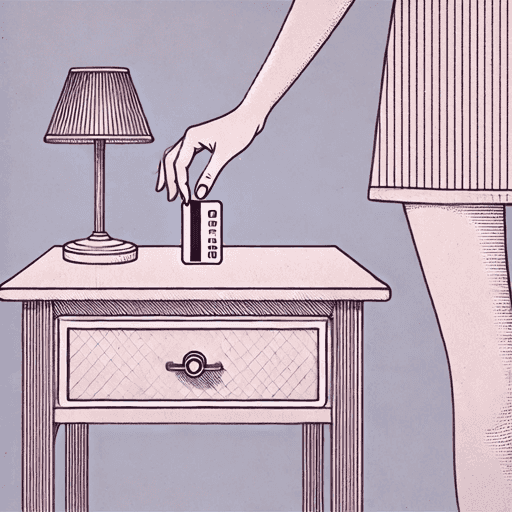
Chloe/Eliza open her eyes further to the way that individuals—women in particular—who grow up without money or material wealth become disempowered. In her dramatic, final conversation with Lux, Chloe/Eliza argues, “The world takes a lot from us, doesn’t it? Women like us. Women who don’t get things handed to them. Women without a lot of options. So sometimes, you have to take back, you have to create your own options” (289). This sentiment re-frames the way that Lux interprets her own personal experiences and opens her eyes to the possibility of reclaiming some of her lost power. She internalizes this idea and, at the end of the novel, has adopted Chloe/Eliza’s pickpocketing habit and uses it to both finance her life and punish other men like Nico, Jake, and her father.
Chloe/Eliza is at the heart of this novel’s interrogation of wealth and the use of vigilante justice to combat the imbalance of power. She becomes the primary mouthpiece for the idea that women can reclaim power through non-traditional means. She comes from humble origins: Her mother worked as a domestic for Jake’s family. Jake’s father used his considerable wealth and influence to coerce her into carrying drugs for him, and Chloe/Eliza ultimately realizes that if her mother had more power and better resources, she never would have endangered herself in that manner. Based on her mother’s experience, Chloe/Eliza develops a desire to punish Jake and his family but also a complex set of justifications for exacting revenge on all wealthy men. She argues to Brittany and Lux that all affluent men are alike and that they do not hesitate to use and abuse other individuals if the need arises. Because of this, she claims, it is perfectly acceptable to steal from them. She also points out that wealthy people are easily able to replace lost or stolen watches, wallets, and other valuables. For Chloe/Eliza, agency and power lie in her ability to alter the course of her own life by preying on the wealthy.
Brittany’s past trauma leaves her particularly receptive to Chloe/Eliza’s reasoning, reinforcing the impact of systemic oppression. Amma’s boyfriend, Sterling, who was just as privileged as Amma, was given an unusually light sentence, and Brittany knows that his family wielded their considerable influence to help him avoid the consequences that he deserved. She also feels betrayed by Amma, who did not disclose the true nature of their connection and cites Amma’s duplicity as another example of the bad behavior of the affluent: She is sure that Amma was easily able to lie because she was used to getting her own way and doing what she wanted. Like Chloe/Eliza and ultimately Lux, Brittany sees herself as a survivor rather than a victim, and this worldview, for her, justifies theft and vigilante justice.

Unlock every key theme and why it matters
Get in-depth breakdowns of the book’s main ideas and how they connect and evolve.
- Explore how themes develop throughout the text
- Connect themes to characters, events, and symbols
- Support essays and discussions with thematic evidence