Remain: A Supernatural Love Story
58 pages • 1-hour read
Nicholas Sparks, M. Night ShyamalanRemain: A Supernatural Love Story
A modern alternative to SparkNotes and CliffsNotes, SuperSummary offers high-quality Study Guides with detailed chapter summaries and analysis of major themes, characters, and more.
Chapters 17-24Chapter Summaries & Analyses
Content Warning: This section of the guide includes discussion of death, graphic violence, substance use, and mental illness.
Chapter 17 Summary
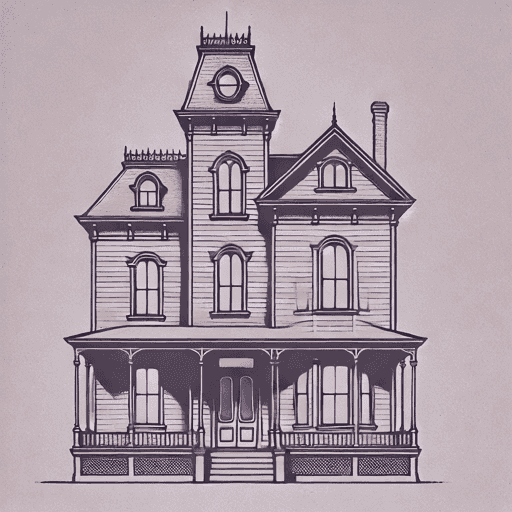
In the morning, Tate does laundry and eats breakfast, but Wren doesn’t appear. He reviews the previous night’s video, noting how he sensed that she recognized him, and he worries that Daytime Wren is fading and being subsumed by Nighttime Wren. After checking a weather app and confirming that a storm is approaching, he searches the house and cellar but doesn’t find her. At the dining room table, he acts on Wren’s suggestion and adds window boxes to his drawing of Oscar and Lorena’s house.
Tate drives to Provincetown to meet Oscar at Herring Cove Beach. Despite the windy, cold weather, they walk along the shore while Tate updates him on Wren’s increasingly frequent fading episodes. Oscar theorizes that Nighttime Wren might be reliving a memory, but admits that he doesn’t know what it means. After lunch at a restaurant, they return to the parking lot, where they encounter an elderly man sitting in a lawn chair with a fishing pole and a feather on the line. He explains that he uses the feather to predict the weather and says rain will arrive at 4:35 pm. The man tells them about Bingo, his golden retriever, whose former owner, Henry, bled to death in that parking lot four years ago. Unlike the news stories claiming that Bingo waits for Henry’s return, the man insists that Bingo is agitated because he senses Henry’s presence: Henry can’t let go. Disturbed by the story, Tate drives home, as rain begins, at exactly 4:35 pm.
Inside, Tate finds wood in the fireplace and a note from Louise and Reece. Wren appears in his bedroom doorway, surprising him because he thought the upstairs was Nighttime Wren’s domain. She hesitates at the threshold, briefly flickering before stepping inside. Wren shows him the punishment bench outside, explaining that it was her grandmother’s version of a time-out. In the parlor, Wren reveals details about Griffin, her soon-to-be ex-husband: his unfulfilled dreams, alcohol- and drug-fueled rages, and the violent episode at the farmers market when he threatened to kill her and her friend Dax, a substance abuse counselor. She explains that Griffin is dragging out their divorce to claim the house, which is held in a trust that terminates in about a month. She borrowed against the trust to buy furniture for Griffin’s house, and he now claims that the trust was marital property. Griffin dumped her clothes at the property, but most were ruined, covered in paint. Wren suggests that they cook beef bourguignon together the next day and gives Tate a list of ingredients to buy.
Chapter 18 Summary
Tate sleeps poorly, and Nighttime Wren doesn’t appear. He shops for ingredients, reflecting on Wren’s loneliness and wondering where she goes when she vanishes. In the morning, he reviews emails from Oscar and Lorena about the house. Wren appears in the parlor, and they discuss the storm and the absence of other guests. Wren helps Tate successfully light his first fire. She describes the beef bourguignon recipe, which she adapted from Julia Child. They spend the afternoon talking and laughing; Wren fades in and out repeatedly, but Tate pretends not to notice.
In the kitchen, Wren instructs Tate through cooking while they drink wine. Afterward, they move to the loveseat near the fire. Wren reveals that she plans to sell the house and is frightened by the prospect of change and the unfamiliar. Tate shares his own experience of fear when Oscar took him to the psychiatric hospital. Wren then describes Dax’s obsession: how he kept showing up wherever she was until she found him on the porch looking in windows. Reece had to run him off, and the police warned Dax that he’d be arrested for trespassing if he returned.
The conversation turns intimate. Wren asks Tate to stare at her silently for a minute and then introduces the no-touching game: getting as close as possible without touching. They stand inches apart, tracing each other’s bodies in the air. The tension builds until Tate, unable to stop himself, leans in to kiss her. Just as his lips touch hers, a loud crack splits the air, the power goes out, and Wren vanishes. Tate apologizes to the empty room, berating himself for breaking the rules.
Chapter 19 Summary
Disappointed and worried about Wren, Tate drinks wine in the parlor until Louise and Reece arrive to check on the power outage. At sunrise, Oscar texts to meet for breakfast. After the power is restored, Louise notices the wine and smells the beef bourguignon, prompting her to question Tate about seeing Wren. She expresses fear about other guests encountering Wren or ghost hunters arriving. Louise explains that she found Wren’s body in the bathtub after more than two days in the water and that the police ruled it an accidental drowning. When Tate insists that Wren was murdered, Louise maintains that it was an accident and notes that she and Reece were in the cottage that night and would have seen any cars arrive.
After they leave, Tate works on the house schematic, cooks the remaining beef bourguignon, and finds a highlighted Shelley poem titled “On Death.” That night in the bathroom, Nighttime Wren appears in the tub, wounded and crying. When Tate identifies himself, she responds to her name and confirms that she died in the bathtub. She says she didn’t slip but was murdered. She doesn’t know who killed her but says it wasn’t Griffin, Nash, or Dax. In a mirror of their earlier game, she raises her hand to trace Tate’s face and then begins crying again, choking out that she couldn’t get away. When Tate tries to speak, Wren demands to know who he is and forces him out of the bathroom with an invisible blow.
Chapter 20 Summary
At the diner, Tate shows Oscar the completed drawing of the house. Oscar photographs it for Lorena, who loves it, especially the window boxes. Tate reveals that Wren was murdered and recounts the bathroom encounter. They discuss possible suspects and motives: Griffin’s property claim, Nash’s lawsuit exposure, and Dax’s rejection. Oscar points out inconsistencies in Wren’s accounts and warns that everyone has their own agenda, including Wren. Oscar notes that the upcoming festival anniversary is significant and promises to speak with Police Chief Ray Dugan and attorney Aldrich.
Griffin (a fit, confident man) appears at the diner and approaches their table. When Oscar mentions that Tate is staying at the bed-and-breakfast, Griffin bristles and claims that the house is his as marital property. He insists that Wren begged him to reconcile a week before she died and that he agreed to call off the divorce. After Griffin leaves, Oscar observes that he seems more like a narcissistic politician than the out-of-control “addict” Wren described, though that doesn’t make him innocent. They walk through the crowded, mask-filled festival streets. Oscar warns Tate about getting too emotionally invested and urges him to guard his heart, reminding him that this story has only one possible ending.
Chapter 21 Summary
Oscar texts that he’s meeting Police Chief Ray Dugan. Louise arrives to clean, and Tate asks about Wren’s character. Louise reveals that Wren was spoiled, had trouble keeping friends, got in trouble as a teen, and convinced Joyce to lend her money for the toy store. She suggests that Joyce’s COVID death was partly stress-related. Louise confirms that the divorce was ongoing despite Griffin’s claims, citing the paint-covered clothes as evidence. She mentions that Dax visited often before Wren called the police, claiming that he was stalking her; Louise is skeptical.
At the bakery, Oscar shares what Dugan revealed: Wren died between nine o’clock in the evening and midnight on the festival’s opening night; no evidence placed anyone else in the bathroom; her head wound matched the faucet; and she drowned. Oscar notes that Dugan emphasized forensic competence but still wants to speak with Tate, suggesting lingering doubts. They discuss suspicious details: People face the faucet when entering a tub, so a rear head injury is odd, and the only towels were folded on shelves. The medical examiner originally labeled the death suspicious, meaning that the case may still be open.
At the toy store, Nash claims that he saw Wren only once during the week before she died and knew nothing about her problems beyond Griffin. When confronted with evidence of his financial fraud and Wren’s planned lawsuit, Nash denies everything and grows increasingly agitated. He admits that he was at the festival the night of the murder, but can’t provide witnesses for the crucial hours. Erupting in rage, Nash screams at them to leave. Outside, Oscar notes that Nash is clearly rattled and suggests approaching Dax next.
Chapter 22 Summary
That evening, Tate works on house schematics but remains distracted. Mike forwards Sylvia’s final video. In it, Sylvia reveals that she initially rejected Mike’s marriage proposals twice, fearing the pain that her death would cause him. She shares Mike’s third proposal, in which he says he’d rather have even a single day of marriage with her than live countless lifetimes without her. Despite the anguish of their impending separation, Sylvia insists that it’s scarier to never love at all. Tate watches the video repeatedly, feeling kinship with Mike and understanding how limited time intensifies love.
The next morning, Wren appears, translucent, in the kitchen, confused about missing cars, breakfast, and guests. Her mind feels foggy. Tate offers to sketch her, and as he begins the drawing, she worries that he’ll forget her in New York, fearing that she’s too ordinary. Tate insists that he’ll never forget her and admits that he has already looked at someone the way Sylvia looked at Mike.
Oscar calls with updates: He has Zoom meetings tomorrow, but they’re meeting Griffin at 11 o’clock at the fairground. He adds that Griffin was arrested seven months ago for assaulting a girlfriend, Sandra Hall, who didn’t press charges. Sandra and Griffin dated before and after his marriage to Wren. Aldrich will call tomorrow night—the festival’s opening night.
Chapter 23 Summary
After Wren vanishes, Tate works on her drawing, eats dinner downtown, and finds another highlighted passage in a book before an uneventful night. Louise insists that no one came to the house that night because car headlights would have flashed through the cottage windows. Tate suggests that the killer could have parked on the road and walked up. Louise explains that the boxed photos were removed from Wren’s room per Aldrich’s instructions.
During his run, Tate notices a flickering light near the smaller shed. Inside the shed, he finds boxes containing Wren’s belongings: clothes, photographs, a recipe box, and two expandable folders. One contains comprehensive documentation of Nash’s fraud. The other has handwritten notes about Griffin’s marriage transgressions. In addition, Tate discovers a crumpled letter from Dax written in obsessive, disturbing language. Dax apologizes for the police confrontation, insists that Wren loves him, describes watching and following her around town, and promises to follow her into the afterlife if necessary.
Oscar arrives, and they review the evidence. Oscar explains that he secured a noon appointment with Dax at Mercy Center by promising a donation. He warns Tate about the impossibility of a future with Wren and urges him to guard his heart. At Mercy Center, after meeting the director, Dr. Singer, they confront Dax in his office. He claims that he was home alone the night of the murder while his wife, Tessa, and her sister, Lauren, attended the festival. When Tate and Oscar show him the letter, his composure cracks briefly before he insists that he didn’t write it. Tate threatens to show it to the police, Tessa (his boss), and the licensing board. Dax remains defiant, and Tate and Oscar leave.
Chapter 24 Summary
At the fairground, Tate and Oscar navigate through festival preparations before finding Griffin. Tate confronts him with evidence of drug use and violent episodes, as well as his assault on Sandra Hall. Griffin erupts in anger when they mention the property claim and new police investigation, insisting that he was everywhere at the festival that night, managing countless tasks. When they point out that no one can vouch for his whereabouts the entire time between nine and midnight, Griffin lunges at Tate. Oscar intervenes, pushing Tate toward the exit before the situation escalates to violence.
In the car, Oscar realizes that they’re being followed. They park downtown and watch a blue car stop down the block. When they approach, a woman emerges: Tessa, Dax’s wife. She confronts them, insisting that Wren’s death was accidental but claiming that the world is better without her. Tessa says that when Dax went to help Wren, she made a pass at him and then falsely accused him of stalking after he rejected her. She reveals that Wren had a pattern of pursuing men in relationships: Griffin was engaged to Sandra Hall when Wren seduced him away from her. Tessa calls Wren a “sociopath” who deliberately targeted married men and manipulated them into falling for her. She drives away angrily, leaving Tate and Oscar shaken by her accusations and their implications.
Chapters 17-24 Analysis
These chapters thematically deepen The Haunting Nature of Unresolved Trauma, as the narrative structure continues to bifurcate Wren’s character into “Daytime Wren” and “Nighttime Wren.” Daytime Wren exists in a confused, dreamlike state, reliving the time just before her death. She worries about the festival, her ex-husband Griffin, and her plans to sell the house, grounding her presence in the tangible anxieties of life. By contrast, Nighttime Wren (a wounded figure who relives the violence of her murder) embodies trauma. The progressive fading of Daytime Wren symbolizes the erosion of her living identity by the trauma of her death. As Tate grows closer to the truth, Nighttime Wren’s fragmented memories coalesce into a coherent narrative, confirming that she was murdered. This structural division explores both the person who was lost and the violent act that tethered her spirit, compelling Tate to investigate the circumstances of her death.
Further exploring The Deception Beneath Small-Town Charm, the novel presents a multifaceted and contradictory portrait of Wren through the subjective accounts of other characters. While Tate experiences Wren as vulnerable, Griffin claims that they were reconciling; Louise describes her as spoiled and difficult, while Tessa labels her a manipulative sociopath who preyed on married men. These conflicting accounts create an unstable foundation for the truth, forcing both Tate and readers to question personal motives and identity. This technique transforms Wren from a simple victim into a complex figure whose character is posthumously constructed and deconstructed by the community’s competing agendas. The novel refrains from validating any single perspective, instead using the dissonant voices to illustrate how personal histories are often rewritten to serve the living.
These chapters further establish the novel’s supernatural logic. The story of Bingo the dog, whose owner died violently in the parking lot, parallels Wren’s situation in the sense that their spirits linger. The old man who tells the story insists that Bingo senses his owner’s unsettled spirit because “Henry can’t let go” (154). This anecdote frames Wren’s haunting not as a malevolent act but as a state of unresolved traumatic attachment. Similarly, water reappears in these chapters as a raging storm, reflecting the increasingly fraught character of the content. The storm’s fury during Tate and Wren’s cooking lesson mirrors their escalating emotional tension, culminating in a power outage at the moment of their near-kiss. In this context, water signifies a natural connection. However, water is also the instrument of Wren’s death, transforming a space of domesticity into a site of violence and turning a life-giving element into one of death.
The motif of games continues through the no-touching game, which defines the unique intimacy and tragic limitations of Tate and Wren’s relationship. The game generates emotional and physical tension through proximity without contact, a metaphor for their existence on different planes of reality. Their connection is intensely real, yet they can’t physically consummate it. When Tate breaks the rule by attempting to kiss Wren, he violates the boundary, and she vanishes. This pivotal moment in Tate’s development marks a shift from passive witness to active participant. His willingness to risk emotional vulnerability thematically speaks to The Redemptive Power of Love and Vulnerability. However, the outcome simultaneously reinforces the unbreachable barrier between the living and the dead, underscoring the inherent tragedy of their bond.
Sylvia’s posthumous videos are a structural device to pace and inform Tate’s emotional journey, ensuring that his internal healing runs parallel to the external murder investigation. Each video arrives at a critical juncture in his relationship with Wren, offering wisdom that applies to the unfolding situation. Sylvia’s final message, in which she recounts Mike’s proposal—“[I’d] rather be married to you for a single day than live a hundred lifetimes without you” (239)—lands with particular force. This sentiment validates Tate’s deepening feelings for Wren, reframing their impossible love not as a source of despair but as a meaningful experience, however finite. The videos provide a narrative framework, guiding Tate through his grief while equipping him with the emotional courage to engage with Wren, thereby intertwining the ghost story with an exploration of love, loss, and recovery.
Masks extend beyond the festival to reflect the pervasive deception within the community. The festival’s literal masks create an atmosphere of anonymity that mirrors the metaphorical masks of those whom Tate and Oscar suspect of foul play. Griffin presents the facade of a charming entrepreneur, concealing his violent nature. Dax maintains the persona of a compassionate counselor while hiding an obsessive fixation. Nash appears as a friendly business owner rather than a desperate embezzler. Tessa’s accusations further suggest that Wren herself may have hidden a manipulative side behind a veneer of victimhood. This reinforces the idea that the people in Wren’s life are concealing their true identities and motives, forcing Tate to look beyond superficial appearances to solve the murder. The killer, whose identity remains hidden, is the ultimate masked figure, embodying the realities lurking beneath the town’s charming surface.

Unlock all 58 pages of this Study Guide
Get in-depth, chapter-by-chapter summaries and analysis from our literary experts.
- Grasp challenging concepts with clear, comprehensive explanations
- Revisit key plot points and ideas without rereading the book
- Share impressive insights in classes and book clubs