Rivers of London
53 pages • 1-hour read
Ben AaronovitchRivers of London
A modern alternative to SparkNotes and CliffsNotes, SuperSummary offers high-quality Study Guides with detailed chapter summaries and analysis of major themes, characters, and more.
Book Club Questions
Content Warning: This section of the guide contains discussion of graphic violence and death.
General Impressions
Gather initial thoughts and broad opinions about the book.
1. Rivers of London blends the police procedural genre with urban fantasy. Did you find this combination effective, and how did the detailed police work affect your perception of the magical elements?
2. Can you see any influences from Aaronovitch’s work on the science fiction series Doctor Who in the novel’s tone or humor? How does the book compare to other urban fantasy series you might have read, like Jim Butcher’s The Dresden Files?
3. What single aspect of the novel’s world, from its unique system of magic to its personified rivers, made the most lasting impression on you and why?
Personal Reflection and Connection
Encourage readers to connect the book’s themes and characters with their personal experiences.
1. Peter begins the novel on the verge of a bureaucratic desk job he dreads, only to find his true calling in a completely unexpected field. Can you recall a time when a perceived dead end led to a surprising new opportunity in your own life?
2. Has the novel’s portrayal of London as a city teeming with hidden history and conscious entities changed the way you look at a familiar city or town?
3. What do you make of the concept of vestigium, the idea that strong emotions and events leave a residue on a place? Do you find this idea compelling? Does it connect with any feelings you’ve had about certain locations having a distinct atmosphere?
4. How do you feel about Nightingale’s patient but secretive mentorship style? Would you thrive under that kind of guidance, or do you prefer a more open approach?
5. The entity driving the violence amplifies existing minor grievances, turning everyday frustrations into deadly rage. In what ways have you observed small annoyances escalate in real-world situations, and what does the novel suggest about managing these simmering frustrations?
Societal and Cultural Context
Examine the book’s relevance to societal issues, historical events, or cultural themes.
1. Did the novel’s depiction of the Metropolitan Police Service and its rigid bureaucracy feel authentic? What commentary do you think the book offers on the ability of large institutions to handle problems that fall outside established protocols?
2. The personification of the Thames is split between Mama Thames, a Nigerian immigrant who became a goddess in 1957, and Father Thames, an ancient pre-Roman Briton. What does this mythological divide suggest about London’s identity as a city built on layers of history and multiculturalism?
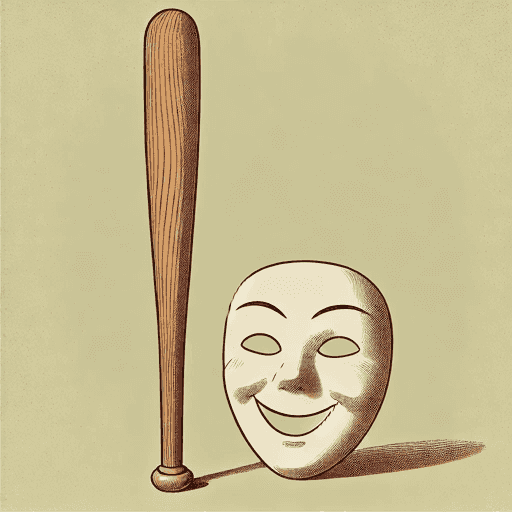
3. How does the novel use the spirit of Mr. Punch to explore the nature of social unrest and mob mentality, particularly during the riot at the Royal Opera House?
Literary Analysis
Dive into the book’s structure, characters, themes, and symbolism.
1. The story’s first-person perspective sets it apart from more traditional police procedurals like Cop Hater by Ed McBain or Michael Connelly’s The Black Echo. How does Peter’s cynical humor affect your reading of the supernatural events? What might have changed if the story were told from Nightingale’s point of view?
2. What is the significance of the Folly as a setting? How does it physically represent the tension between past and present in the novel?
3. Why do you think the author chose a dual antagonist, with the ghost of Henry Pyke acting as a vessel for the elemental spirit of Mr. Punch? What does this reveal about the nature of evil in the novel?
4. Leslie May’s journey from competent officer to possessed victim is a central part of the story. How does her arc impact Peter’s development and underscore the novel’s exploration of the personal cost of magic?
5. What purpose does the rule that magic interferes with modern electronics serve in the narrative, both for the plot and its themes?
6. DCI Seawoll embodies the clash between “normal” policing and magic. Does his perspective evolve by the end of the novel, and what does that suggest about the possibility of bridging these two worlds?
Creative Engagement
Encourage imaginative and creative connections to the book.
1. If you were an apprentice at the Folly, what magical specialty would you want to develop and why?
2. Imagine you are tasked with creating an official intake form for a supernatural witness for the Metropolitan Police. What kinds of questions would you include to satisfy both standard procedure and the bizarre realities of magic?
3. The novel brings London’s rivers to life as genii locorum. If you were to personify a landmark in your own city, what would its personality and historical grievances be?

Unlock all 53 pages of this Study Guide
Get in-depth, chapter-by-chapter summaries and analysis from our literary experts.
- Grasp challenging concepts with clear, comprehensive explanations
- Revisit key plot points and ideas without rereading the book
- Share impressive insights in classes and book clubs