Ruthless Creatures
45 pages • 1-hour read
J. T. GeissingerRuthless Creatures
A modern alternative to SparkNotes and CliffsNotes, SuperSummary offers high-quality Study Guides with detailed chapter summaries and analysis of major themes, characters, and more.
Chapters 1-8Chapter Summaries & Analyses
Content Warning: This section of the guide includes discussion of death, sexual violence, sexual content, and substance use.
Chapter 1 Summary: “Nat”
Natalie “Nat” Peterson is a middle school art teacher in her twenties. She lives in Lake Tahoe (a scenic community that borders California and Las Vegas, Nevada). Her parents gave her their house after they retired to Arizona.
It’s been five years since Nat’s fiancé, David, suddenly disappeared. Chris, the town sheriff, is Nat’s current boyfriend. However, he breaks up with her because Nat hasn’t gotten over what happened with David. Nat and David rescued a large dog, Mojo, who is lazy, loving, and harmless.
Nat and her best friend, Sloane, have a playful conversation about sex and a dangerous-looking but attractive man who is new in town. Later, Nat and Sloane see the man at a bar and speculate about his occupation and penis size. Sloane approaches him, but he rejects her. Nat bumps into him after leaving the bathroom. As she and Sloane banter about healthy eating and Nat’s sex life, he intensely gazes at Nat.
Chapter 2 Summary: “Nat”
Gossipy acquaintance Diane Myers fills Nat and Sloane in: The man is Kage Porter; he bought the house next to Nat with a briefcase of cash. Diane thinks that Kage looks like real-life action-movie star Jason Momoa.
After Diane leaves, Sloane brings up Nat’s lack of sexual partners and jokingly suggests that Nat, Sloane, and Kage become a “throuple.” Since tomorrow is the anniversary of the wedding that Nat and David never had, Sloane cajoles Nat into trying to pick up Kage. When Kage brusquely rejects Nat, she wonders if he’s a serial killer.
Chapter 3 Summary: “Kage”
Kage dislikes surprises, but he likes Nat. He also finds Nat very beautiful—like a woman from a fairy tale. Kage doesn’t want to hurt anyone he considers beautiful, nor does he want to mix his business with pleasure.
Chapter 4 Summary: “Nat”
Nat wakes up with a headache. Sloane calls: She’s already had breakfast, reorganized her closet, and led two yoga classes. Sloane guesses that Kage is a widower; she tells Nat to finally get rid of her wedding dress. After Nat playfully calls Sloane “mother,” Sloane jokes that she’ll take away Nat’s sex toys.
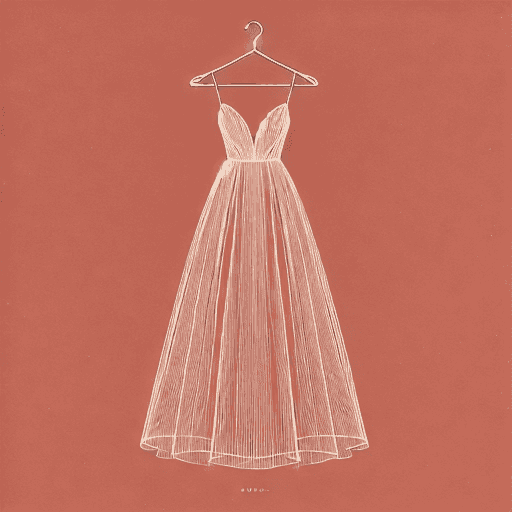
Nat tries on the dress and is unhappy: The dress is too big for the skinny Nat, and she remembers that David always wished Nat could be as curvy as Sloane. Then, the doorbell rings, and it’s Kage, with a UPS package that was intended for Nat but left at his door. When Kage says that the dress doesn’t suit Nat, she wants him to say she looks beautiful. Kage agrees that Nat is beautiful but calls the dress overdone.
After Kage leaves, Nat watches him in his house working a punching bag without a shirt on. His muscles, tattoos, and air of danger mesmerize her.
Chapter 5 Summary: “Nat”
After leaving the dress at a consignment shop, Sloane and Nat have lunch. Nat explains that the package that Kage brought contained painting supplies. Nat is an artist, but she hasn’t painted much since David’s disappearance. Nat wishes she could know for sure that David is dead.
Sloane tells Nat about Stavros, who appeared in her yoga class wearing sweatpants with no underwear, allowing everyone to see the outline of his penis. Naturally, Sloane was attracted to him. Sloane offers to cancel her date with Stavros to hang out with the downcast Nat, but Nat plans to treat herself to dinner at the upscale restaurant in Michael’s Casino.
At Michael’s, Nat sees Kage drinking whiskey and smoking a cigar alone. He asks the maître d’ to bring Nat to his table so that they can have dinner together. She tells him about David, and Kage informs her that he is not a widower—he’s never been married. They flirt awkwardly, but Kage doesn’t want to play games. He calls himself a debt collector and grabs Nat’s hand. Nat becomes aroused.
Chapter 6 Summary: “Nat”
Kage initially moved to Lake Tahoe for work, but now he’s not sure what he’s doing. Nat speculates about his job and senses that Kage doesn’t live by society’s rules. She is afraid of him, but when he threatens to spank her for interrupting him, her desire for him increases.
To show her that she can trust him and is safe with him, Kage tells Nat the truth: He bought the house with cash to launder the money; he won’t be in town much longer. He surmises that Nat isn’t into casual sex, but he wants to kiss her and touch her sexually while he feeds her dinner. Nat is aroused, but she makes a joke, excuses herself, and leaves.
Outside Michael’s, Nat watches Kage drive away.
Chapter 7 Summary: “Nat”
On the phone with Sloane, Nat recaps her night with Kage. Sloane jokes that Kage could give Nat countless orgasms; Sloane would have performed oral sex on him right away if he spoke to her like that. Sloane doesn’t want Nat to worry that Kage is a criminal or has a sexually transmitted infection. Darkly, Sloane suggests that Nat has already confronted the worst possible relationship situation when David died, so Nat should embrace Kage. Nat wants to move on and stop relying on Sloane for all her emotional support.
The son of the owner of David’s old apartment building rings Nat’s doorbell. Father and son are currently renovating the place. Between the wall and the mailboxes, they found an envelope that David addressed to Nat. Nauseous, Nat opens the envelope and finds a single key.
Chapter 8 Summary: “Nat”
The key is labeled “30-01.” Nat googles how to identify keys but finds little. She wonders why David sent her the key. David’s parents died in a car accident after high school, and he had no other family. He moved to Lake Tahoe from the Midwest; he worked the ski lifts during the winter and provided lake tours over the summer. Nat made more money than David, so it doesn’t seem plausible that the key is to an inheritance. David wasn’t playful, so he also wouldn’t send her a key as a game.
Sheriff Chris arrives. He examines the key and determines that it’s for a Wells Fargo Bank safety deposit box. Nat wants Chris to go, but he insistently stays, saying that he still has feelings for her. He grabs her and kisses her without her consent. Kage appears and threatens Chris, who leaves. Kage tells Nat that he must go away. He gives Nat his number, and Nat kisses his cheek.
Chapters 1-8 Analysis
While both Nat and Kage function as the novel’s narrators, Nat is the main point-of-view character: Out of the 45 chapters, only nine are from Kage’s perspective, and they are much shorter than Nat’s chapters. The dynamic uses and subverts common tropes about gender and communication. Kage’s less frequent and laconic chapters (Chapter 3, Kage’s lone chapter in this section, is only about a page) play into stereotypes that men are reserved and taciturn. Nat’s lengthier chapters also play into the stereotype that women are chatty and emotionally open. However, the imbalance also runs counter to traditional gender norms. Since most of the novel is under Nat’s control, Nat becomes the person in charge of her and Kage’s story, which gives her greater agency.
This section blends elements of several genres: mystery, dark romance, and comedy. The subplot of David’s disappearance is a puzzle to be solved. Because Nat’s fiancé vanished without a trace and his body was never found, Nat can never fully accept Sloane’s assertion that “David is dead, Nat. He’s dead” (108). Adding to the mystery is the introduction of the safe deposit box key—potentially a clue about what happened to David. Meanwhile, the novel aligns itself with the tropes of dark romance by describing Nat’s new romantic partner, Kage, as literally marked with the genre’s name: “There’s so much darkness in his eyes, it’s frightening” (64). Nat finds Kage immediately alluring and terrifying. However, even when he reveals his criminal ties, Nat remains deeply attracted to this dangerous-seeming man—a core features of this romance subgenre. Finally, the novel’s main comedic element is Nat and Sloane’s relationship. Their often-explicit conversations are bawdy and jokey, as they lightheartedly dissect the sexual potential of the men in their lives. Their humor manifests their sex-positive approach to desire and pleasure; Sloane quickly gauges and then teases Nat about Kage’s impact on her, promoting sexual expression as healthy and valuable. Sloane’s forthrightness can come across as rude or vulgar—for example, when she asks Diane about anal sex, the older woman makes a hasty exit—but Nat finds her friend refreshing and funny.
The first chapters juxtapose the aggressive tendencies of Chris and Kane to introduce the theme of Distinguishing Conflict and Abuse. Though Kage is the avowed criminal and Chris is in law enforcement, Chris’s bullying and sexual threats to Nat make him an antagonist. Nat has no romantic feelings for Chris, so Chris forces himself on her non-consensually. In contrast, while Nat and Kage often disagree or aggravate one another, like when she tries to pick him up at the bar or when he insults her wedding dress, their conflicts are disagreements that do not compromise safety. Rather, these fights underpin developing sexual tension. While Kage’s job is to be violent, Chris is revealed to be a predator.
Since Nat provokes romantic feelings in Kage, Kage is torn between his loyalty toward the Bratva and his undeniable attraction to Nat, demonstrating the effect of Women Humanizing Brutal Men. Kage worries that he won’t be able to effectively do his job because of Nat’s influence: “If only she wasn’t so goddamn beautiful. I don’t like to break beautiful things” (49). Kage’s sensitivity makes him want to care for Nat, not harm her—an unusual situation for this gangster, as readers gather.

Unlock all 45 pages of this Study Guide
Get in-depth, chapter-by-chapter summaries and analysis from our literary experts.
- Grasp challenging concepts with clear, comprehensive explanations
- Revisit key plot points and ideas without rereading the book
- Share impressive insights in classes and book clubs