51 pages • 1-hour read
Seven Years In Tibet
A modern alternative to SparkNotes and CliffsNotes, SuperSummary offers high-quality Study Guides with detailed chapter summaries and analysis of major themes, characters, and more.
Index of Terms
Dalai Lama
Dalai Lama is a religious title in Tibetan Buddhism, given to the supreme head of the Gelug school of Buddhism. It is believed by Tibetan Buddhists that when a Dalai Lama dies, his spirit is then reincarnated in the body of a new person. High Lamas will consult oracles and seek signs to find the new incarnation, and once they have verified the authenticity of the new incarnation, a new Dalai Lama is declared. In Seven Years in Tibet, Harrer learns that the people of Tibet refer to the Dalai Lama as “Gyalpo Rimpoche,” meaning “Precious King” (123). Harrer eventually becomes well-acquainted with the current Dalai Lama during his years in Tibet, who at that time is still a young boy.
Garpön
Garpön traditionally referred to a rank of regional leader in Tibet. Harrer mentions learning about the governmental structures in Tibet soon after his arrival there, explaining how the Garpön ruled alongside the seven ranks of nobility, with all answering to the ultimate authority of the Dalai Lama. Harrer describes the system in Tibet as akin to feudalism. The power of Tibetan Garpöns has been somewhat reduced since the Chinese invasion.
Himalayan Mountains
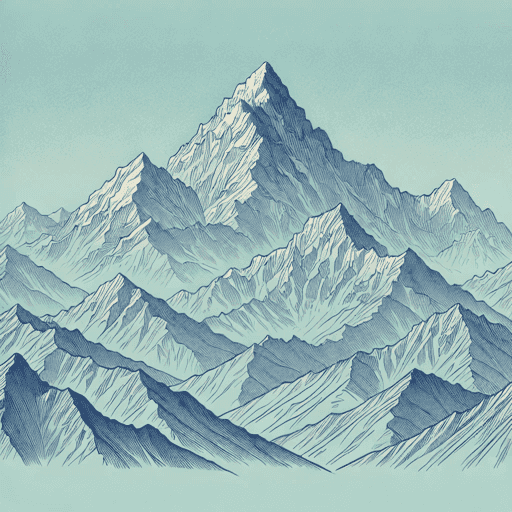
The Himalayan Mountains are not just part of the setting. They are sacred to Tibetans: Each has a name, and each represents something important. The mountains shape Harrer’s journey, beliefs, and identity. As guardians of the Tibetan people, they invoke Nature as Barrier and Sanctuary in Harrer’s memoir: While Harrer experiences the mountains as a formidable natural barrier at first, especially after his months-long trek after his prison escape, he gradually comes to regard the Himalayan mountains as a peace of beauty and spiritual renewal.
Potala Palace
The Potala Palace was the traditional residence of the Dalai Lama in Lhasa, Tibet, constructed in the 17th century on the orders of the fifth Dalai Lama. In Seven Years in Tibet, Harrer recalls visiting the Dalai Lama there, and writes that he often assumed that it must have been a lonely and isolating place for the young Dalai Lama to live. After the Chinese invasion, the Dalai Lama fled to India, where he has remained ever since. In 1994, the Potala Palace was declared a UNESCO World Heritage site, and is now a museum open to visitors.

Unlock all 51 pages of this Study Guide
Get in-depth, chapter-by-chapter summaries and analysis from our literary experts.
- Grasp challenging concepts with clear, comprehensive explanations
- Revisit key plot points and ideas without rereading the book
- Share impressive insights in classes and book clubs