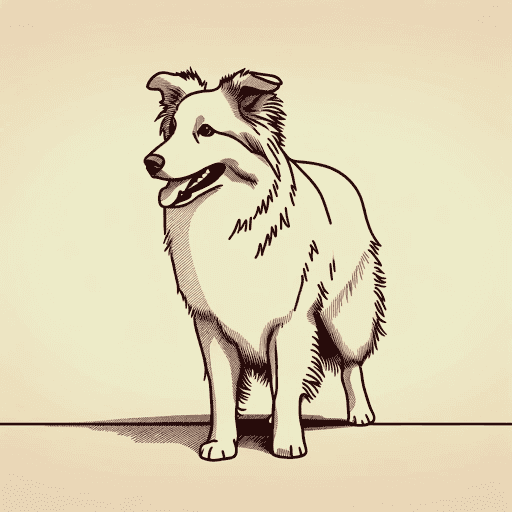
Sheep
40 pages • 1-hour read
Valerie HobbsSheep
A modern alternative to SparkNotes and CliffsNotes, SuperSummary offers high-quality Study Guides with detailed chapter summaries and analysis of major themes, characters, and more.
Symbols & Motifs
Sheep
Sheep only appear in the opening and closing chapters of the novel, but they always represent The Search for Identity and Purpose that consumes Jack. In Chapter 1, Jack believes that herding is his entire world. The sheep represent Jack’s sense of cultural identity and his heritage as a border collie, and Jack’s single-minded desire to learn his craft shows that he does not yet understand the finer nuances of finding one’s life purpose. When he finds new sheep to herd in the final chapter, this event symbolizes the idea that despite the many ways in which he has learned and grown, his core identity remains unchanged. Though Jack learns that he must fulfill a greater purpose than herding, taking care of sheep is still a significant aspect of his self-image. Having new sheep in his life therefore suggests that part of Jack will never change, even as he is affected by the many changes that direct the course of his life.
During Jack’s many adventures, the lessons he has learned about herding stay with him and influence his choices. Rather than herding sheep, Jack herds many different creatures toward their destination. First, Jack herds the Goat Man’s goats, even though the animals don’t need to be herded. Their indifference to his efforts helps him realize that he can be more than a mere herding dog. Likewise, the thieves and the circus take Jack away from the idea of herding animals, and these situations herd Jack toward his own destiny. Finally, Luke tests Jack’s herding knowledge in new and creative ways, for instead of rounding up sheep, Jack herds Luke toward what he needs: a family. From this experience, Jack realizes that the sheep have given him a skillset that is useful in multiple situations. Thus, sheep and herding represent the process of growth and expansion.
Names
Throughout Sheep, Jack takes on many names that represent the various identities and purposes he experiences during his journey. From the little girl who first adopts Jack to the thieves, Jack receives simple names that might be typical of any dog (“Baby” and “Spot”). The relative shallowness of these names indicates that these people do not truly appreciate Jack. By contrast, the Goat Man names Jack “Shep,” a name that relates directly to sheep and shepherding. Thus, the Goat Man offers Jack both purpose and identity, as well as a link to his heritage and past life. Jack becomes attached to the Goat Man because he knows that the Goat Man understands him. Jack keeps this name for many years, and in this time, he never searches for anything more than sheep to herd. This dynamic suggests that while the name of Shep is thematically appropriate, the lifestyle of the Goat Man holds him back, as he can neither realize his current ambition of herding sheep nor come to the realization that shepherding is not the only thing he is meant to do. When he loses the Goat Man, Jack also loses the name of Shep, and this life change allows him to move forward into new experiences and challenges.
Names also represent the roles that Jack takes on at different points in his life. While he is forced to be part of the circus, he must endure the name of “Sparky” and push forward despite the grim knowledge that Billy has named him after a dog that he recently beat to death. By giving Jack this name, Billy indicates that he does not acknowledge Jack as an individual creature with his own personality and sense of agency. To Billy, the animals in his circus are his property: interchangeable and unimportant. The name of Sparky helps Jack realize that there is more to him than his past, and when Jack escapes from the circus, he is ready to find his true place and purpose. This foreshadows the appearance of Luke in his life, and the boy gives him the name of “Jack,” his final and permanent name. This name frees Jack from past expectations and traumas, and he is finally free to explore who he will become.
Fire
Two fires are featured Sheep, and both represent the purifying and damaging power of change. The fire in Chapter 1 serves as the catalyst for Jack’s physical and psychological journeys. By robbing Jack of everything he has ever known, the fire forces him to explore the broader world and compels him to begin The Search for Identity and Purpose. The fire in Chapter 1 also symbolizes the inevitability of change and the paradoxically purifying aspect of destruction. Jack feels comfort and purpose in his life as a sheep herder, but this is all taken away in a moment. Without the fire, Jack would never be compelled to embrace the wide array of experiences that help him find his true purpose.
The second fire takes place at the circus, and this blaze specifically represents change, highlighting the many ways in which Jack himself has changed throughout his adventures. Both fires set Jack free, but whereas the first fire takes him away from his home, the second fire helps him escape a hateful situation. Both fires also offer insight into The Motivational Power of Fear. During the first fire, Jack’s fear of the flames compels him to keep moving, while the second fire shows Jack the dangers of standing still. As he watches the other animals stay with the circus even as it burns, he realizes that he must resume The Search for Identity and Purpose. Instead of shying away from the fire and hiding, he moves forward out of a desire to escape and out of the fear that staying will prevent him from realizing his larger goals. Thus, although fires can be destructive in the moment, they also clear away life’s debris and reveal a plainer path forward.

Unlock the meaning behind every key symbol & motif
See how recurring imagery, objects, and ideas shape the narrative.
- Explore how the author builds meaning through symbolism
- Understand what symbols & motifs represent in the text
- Connect recurring ideas to themes, characters, and events