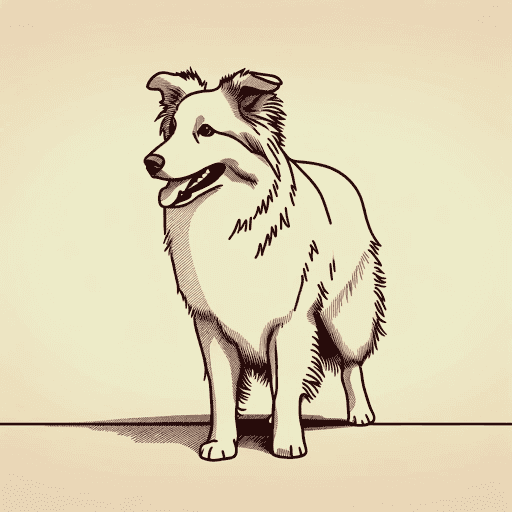
Sheep
40 pages • 1-hour read
Valerie HobbsSheep
A modern alternative to SparkNotes and CliffsNotes, SuperSummary offers high-quality Study Guides with detailed chapter summaries and analysis of major themes, characters, and more.
Themes
The Intangible Aspects of Home
At its heart, Sheep tells the story of Jack’s attempt to find and define the best possible home for himself, and throughout his various encounters, it soon becomes clear that the most essential elements of a home are often the intangible ones: love, comfort, safety, community, purpose, and kindness. The novel’s secondary characters offer Jack a range of experiences, and each person creates a different definition of home. As Jack encounters these various environments, he discovers which ones benefit him and which ones deprive him of what he truly needs to be happy, and he ultimately learns how to find the family that will allow him to fulfill his purpose.
Jack’s first major lesson on this topic occurs during his time with the Goat Man, as the man’s transient lifestyle demonstrates that home is more than a mere physical place. The Goat Man lives off the land, taking only what he needs before moving on. He does not put down roots anywhere, instead embracing each moment on his journey. The Goat Man therefore represents the idea that home can be an internal sense of belonging rather than a physical place. His contentment with his wagon and goats provides him with an enduring sense of comfort, stability, and safety, and although he is heading toward the specific destination of Canada, his travel plans do not define him or affect his ability to make his home wherever he happens to be. As Jack later reflects, “a home isn’t just the stuff it’s made out of” (53). Thus, when the Goat Man welcomes Jack into his life, he teaches the protagonist that the important qualities of a home are love, food, and a place to rest.
Similarly, the relationship between Tiffany and the other circus animals stresses that a sense of home can be found in the intangible comforts of a community. The terrible conditions under which the circus animals live have prompted them to band together and care for one another. Thus, while the circus itself provides none of the benefits of a home, the shared situation and love among the animals gives them a sense of community that causes them to form a found family. When Jack comes to the circus, he is immediately accepted as part of this family because the animals understand the importance of offering each other support. In turn, Jack quickly becomes indebted to the animals and returns that support, making himself a part of their home and a member of their community. While Jack ultimately leaves the circus because it is not where he truly belongs, Tiffany and the other animals’ refusals to leave show the enduring power of the familial bonds that are forged through shared trauma. Tiffany and the others choose to stay together; their sense of community and family is so strong that they balk at the idea of escape, for they have no wish to abandon the ones they love.
Ultimately, Luke and Jack’s relationship demonstrates that a true sense of home can be found in finding one’s purpose in life. Prior to finding Luke, Jack wanders from place to place in search of somewhere to belong, believing that only a farm with sheep to herd could possibly fulfill his need for a home. Similarly, Luke shuffles through life, never trying to belong anywhere because he feels universally unloved. However, when Jack finds Luke, the dog realizes that the most authentic version of home can only be found in the company of a much-loved companion. Jack sees himself in Luke, and because he understands the sorrow that Luke feels, he essentially adopts the boy himself before putting all his efforts into helping Luke to get adopted by the ideal family. The two therefore form a friendship that grows into familial love. Together, they find their purpose, and as a result, they are both content with the knowledge that they have found the place where they are meant to be.
The Search for Identity and Purpose
Throughout the novel, the characters of Sheep struggle to find what makes them who they are, and in the midst of their unique journeys, they find a link between identity and purpose. Jack’s idea of purpose changes throughout the novel, demonstrating that personal identity is a work in progress rather than a fixed construct. At the beginning of the novel, Jack defines himself in terms of his breed—he is a border collie who longs to herd sheep because this is what his kind has always done. After the fire at the farm, however, Jack is cut off from the only life he knows and must reevaluate his understanding of his own identity. His struggle therefore represents a coming-of-age journey, and his experiences are fraught with uncertainty, but he always manages to move forward in search of his greater purpose. On a grander scale, he searches for a way to regain the purpose he has lost, but on each step along the way, he finds smaller purposes, such as helping the Goat Man and caring for the animals at the circus. Through these smaller goals and pursuits, Jack starts to understand that he is destined for more than herding. By the end of the novel, Jack separates his identity from his chosen job, realizing that herding is something he does, while loving and supporting Luke represent his larger purpose. Thus, Jack learns to tie his identity to his choices, not to his job. Because he is always making new choices, his identity constantly shifts.
Once Jack realizes that his identity is a choice and that his choices are always changing, he embraces the influence of his immediate surroundings. When he sees how much Luke needs him, he chooses his next purpose and resolves to help Luke find a new family. However, Jack does not give up his love for herding. Instead, he simply puts it to a different use by herding Luke toward his destiny and his new family. Through helping Luke, Jack learns that herding equates to helping, and helping others makes Jack feel fulfilled. Thanks to Luke, this small shift in Jack’s mindset allows the dog to find his grander purpose of making a difference in other people’s lives.
While Jack’s character arc ultimately reveals that identity is an ever-changing concept, his time among the circus animals shows that some aspects of identity are inviolable, and the act of giving them up changes the essence of the self. In Chapter 9, when Billy orders Jack to dance, Jack refuses because he knows that dogs are not meant to dance. Watching Tiffany dance fills Jack with a strong sense of wrongness, and he cannot bring himself to dance because, as he reflects, “there’s a line you just can’t cross and still be who you are” (80). Refusing Billy’s orders nearly gets Jack killed, and Jack’s willingness to remain true to his true self symbolizes the power of self-worth and cultural identity. Jack can shift his mindset about herding sheep, but he cannot change his core beliefs about his own nature. By refusing to dance, Jack demonstrates an unwavering commitment to who he is. This moment of inner strength allows Jack to make additional choices about what is most important in his life. His core self drives the changing parts of his identity while letting him remain true to his deepest beliefs.
The Motivational Power of Fear
Throughout the novel, fear proves to be a motivating force. Whether for good or ill, the characters respond to fear and develop individualized methods of coping with it. For example, the circus animals’ responses to fear show that fear can act to keep people trapped in bad circumstances. The circus animals are involved in various performances that cause different levels of anxiety and discomfort. When Jack witnesses the circus dogs jumping through a flaming hoop, he thinks that they are brave for putting their lives in such danger, but he soon realizes that the fire is less threatening than the animals’ everyday lives. Thus, he concludes that the animals are “more afraid of Billy than they [are] of fire” (85). Because the fear of fire is a deeply instinctual emotion, this statement implicitly portrays the depths of Billy’s cruelty, for rather than showing bravery, the animals exhibit desperation. They fear the fire, but they know that the consequences of not jumping through the fire will be worse than the fire itself. In this way, the feedback loop of fear prevents the circus animals from escaping; because they cannot see a way to break free from their fear of the fire or their fear of Billy, they remain trapped in the world of the circus. This section of the novel therefore proves that unmitigated fear can become a cage.
Luke’s character arc also symbolizes the paralyzing power of fear. Whereas the circus animals keep running in a never-ending loop, Luke’s fear holds him back and stagnates him. He has little confidence in himself, which makes him fear the opinions of others. The other boys at the orphanage bully him because he struggles to read, and instead of trying to improve his skills, Luke lets his fear prevent him from trying at all. This mindset extends to his outlook on adoption; he fears that no family will want him, so he makes no effort to endear himself to prospective adopters. As a result, Luke feels trapped at the orphanage and is too afraid to break free of his self-imposed isolation. Only when Jack decides to help the boy does Luke start to change his mindset. Luke’s pride for Jack ultimately gets Luke adopted. Without Jack, Luke would have remained frozen by fear.
Jack’s journey also exemplifies the fact that the only way to deal with fear is to face it and overcome it. From the moment when his farm burns, Jack is thrust into one frightening situation after another, and although the newness of these situations frightens him, he uses his strong sense of identity to act decisively despite his fear. The experiences of losing the Goat Man, being abandoned by the thieves, and enduring the abuses of the circus all compel Jack to recognize his fears of being alone in the world. Identifying these fears allows him to find ways to work around them, reducing them from nebulous terrors to manageable problems. At the end of the novel, Jack knows that he has faced fear and survived, and this knowledge provides him with the tools to deal with any future manifestations of fear as well.

Unlock every key theme and why it matters
Get in-depth breakdowns of the book’s main ideas and how they connect and evolve.
- Explore how themes develop throughout the text
- Connect themes to characters, events, and symbols
- Support essays and discussions with thematic evidence