Sipsworth
A modern alternative to SparkNotes and CliffsNotes, SuperSummary offers high-quality Study Guides with detailed chapter summaries and analysis of major themes, characters, and more.
Summaries & Analyses
Quizzes
NEWReading Tools
Games
Symbols & Motifs
Sipsworth
Content Warning: This section of the guide includes discussion of death.
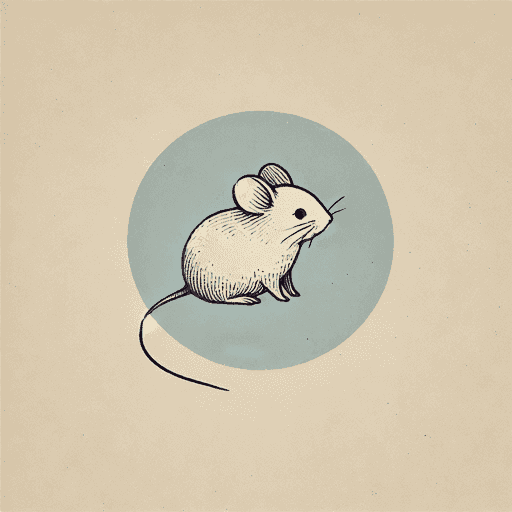
Sipsworth symbolizes Helen’s dead family members and eventually begins to take their place in her life. Even before Helen declares that she and the mouse share their last name, she sees in his eyes “something she has seen before, in the faces of those who now haunt her” (72). She believes he looks at her with love. The mouse is at various times compared to her dead son David, to her husband Len, and to her parents.
Like David, Sipsworth is gentle, and Helen thinks there is “great power” in gentleness. She loved to stroke her son’s hair, and she loves to pet Sipsworth’s fur. Sipsworth is also, like David and her father, a teacher of sorts—he teaches Helen that she has the capacity to love and be loved.
The mouse also reminds Helen of her parents in the way he goes about his business with “quiet cheerfulness.” The novel stresses this parallel as Helen tells the mouse that he is “definitely a Cartwright” (100), and when she tells Dr. Jamal that the mouse’s name is “Sipsworth Cartwright.”
Finally, the mouse also reminds her of Len. When Sipsworth wants to go to bed before the opera they are listening to is over, she says, “Just like Len. You’re like two peas, you and him” (123). As Sipsworth recovers from his illness and sits next to her in her bed, she tells him they are family and that they’ll look after each other in sickness and in health, just as she and Len promised each other.
The Plastic Deep Sea Diver
The plastic deep sea diver that Helen finds in a discarded fish tank symbolizes everything that Helen loved and lost in her past life. It is the same toy that her son had as a child, and it stirs up painful memories of David. She has mixed feelings about the figure. On the one hand, she feels as if memory has returned to her in a physical form. On the other, she believes the toy is trying to drag her back into the past, which she has been doing her best to forget. She thinks of it as stirring up sediment and wonders if more “remnants of her life will soon be washing in” (23).
The figure is a “MacGuffin”—Alfred Hitchcock’s word for a narrative device that sets a story’s plot in motion but is not actually important to the story. The plastic diver’s real contribution to the novel is that it sets a chain of events in motion. After Helen discovers it, she is motivated to open the boxes in the fish tank. As a result, she finds Sipsworth, whom she thinks of as “the deep sea diver all over again” (82) since he, too, reminds her of several incidents in her past.
The Well
Helen fell into an unused well as a child. Her constant recollections of this incident symbolize her grief, highlighting the theme of The Difficulty of Overcoming Grief. During the two days she spent stuck inside the dark well, she felt invisible and lost her voice. In her extreme grief, Helen has made herself invisible again. She has lived in her house for three years but doesn’t know any of her neighbors, and she refuses to travel by taxi or bus because she doesn’t want to speak to other people.
Helen’s parents never gave up searching for her, and in the end, a dog found her in the well, leading to her rescue. In one of the novel’s many parallels, love and an animal, Sipsworth, end up rescuing Helen from her grief.
Water
Water is a motif associated with acts of kindness. It takes various forms: rainwater, snow, the ocean, and drinking water.
Helen brings in the aquarium in pouring rain and then rescues Sipsworth from the aquarium as it fills with rainwater on her patio. When the power goes out during another rainstorm, Helen allows the mouse to first sit in her hand and then sleep on her thigh, strengthening the bond that will later prompt her to save Sipsworth’s life. His return at the end of the story occurs in a snowstorm, another weather-related water image.
One of Helen’s recurring memories is of the way her father was rescued from the ocean after his boat was torpedoed during World War II. She remembers how he wrote to his rescuers for years afterward, sending pictures of his family to show them that their act of kindness enabled him to lead a long and happy life.
Finally, one of Helen’s first acts of kindness toward the mouse is to fill a bottle cap with water for him to drink. His gentle sips both give him his name and create small ripples, much as the acts of kindness in the novel have a ripple effect in Helen’s life.

Unlock the meaning behind every key symbol & motif
See how recurring imagery, objects, and ideas shape the narrative.
- Explore how the author builds meaning through symbolism
- Understand what symbols & motifs represent in the text
- Connect recurring ideas to themes, characters, and events