Skylark
Skylark
A modern alternative to SparkNotes and CliffsNotes, SuperSummary offers high-quality Study Guides with detailed chapter summaries and analysis of major themes, characters, and more.
Summaries & Analyses
Quizzes
NEWReading Tools
Games
Chapters 13-15Chapter Summaries & Analyses
Chapter 13 Summary
Content Warning: This section of the guide includes discussion of death.
Caleb’s homesickness worsens, and he has nightmares. Sarah writes to Jacob daily and rereads his letters to ease her sadness about missing him. Fall is coming, and Caleb mentions returning to school. Aunt Harriet suggests he visit the school nearby, but Caleb cries and says he wants to return home and attend school on the prairie. He leaves the house in tears, and Anna follows to comfort him. Caleb wonders if they will ever see their father again. Anna silently holds him while he cries himself to sleep.
Chapter 14 Summary
It is August, and Caleb catches two fish while fishing with William, but he is still sad. That afternoon, Papa arrives, surprising the children and filling them with joy. He happily reports that it finally rained at home. He marvels at the sound of the sea, and he and Sarah walk alone by the water. Later, Papa and Sarah announce that Sarah is having a baby in the spring. Anna worries because her mother died in childbirth, but Papa and Sarah assure her that all is well.
Chapter 15 Summary
When the family returns to the prairie, signs of new life are everywhere. Anna sees Papa’s new barn, water in the pond, and green sprouting on the land. Seal and her four kittens are on the porch to greet them. Sarah wears her yellow bonnet, Papa wears his wedding suit, and they walk hand in hand into the field. Sarah signs her name in the dirt. In her journal, Anna describes the land slowly returning to life, though it’s still dry. She looks to the future hopefully, with its promise of flowers, swimming, and a new baby.
Chapters 13-15 Analysis
Caleb is the emotional heart of the family, and the trip to Maine takes a pivotal turn when he becomes desperately homesick. Unlike the others, he openly expresses fears that no one else dares to vocalize. His distress highlights The Importance of Family and Home, particularly for a child, as he struggles with the emotional weight of separation from Papa. While Maine offers physical comforts, it does not provide the stability Caleb needs. He clings to Anna and Sarah for reassurance, desperate for a sense of security. The childlike hope and faith he once displayed at home on the prairie are replaced with raw fear and anxiety that manifest in nightmares and strong emotions. Caleb’s declining emotional state symbolizes the pain the separation is causing for everyone. Even though Maine offers safety and security, it does not replace the warmth of their life together on the farm.
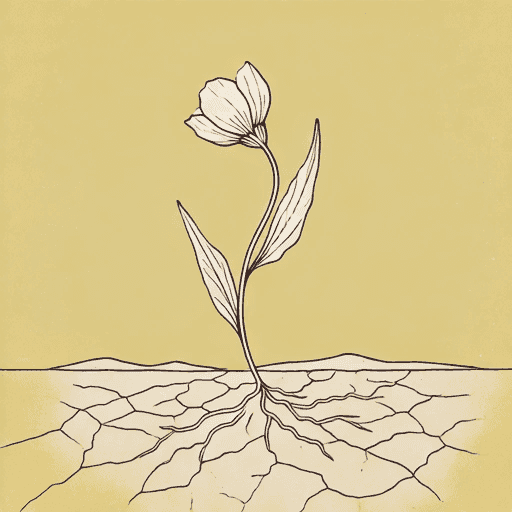
Jacob’s arrival in Maine is a turning point for the family. His presence helps restore stability and security, even though the drought at home isn’t over yet. With two simple words, “It rained,” Jacob resolves the novel’s central tension while inspiring hope that they can return home. Just as the drought represents struggle and separation, the rain represents healing and restoration. Throughout the novel, the state of the land has mirrored the family’s emotional state—the drought caused both physical separation and emotional distance, while the rain now signals a renewal of hope and the restoration of the family. The Power of Nature is evident in this moment: As the prairie revives, so does the family. Just as the land cannot survive without water, the Wittings cannot truly thrive without togetherness. Jacob’s words are prophetic for the land and the family’s future, promising renewal for both.
Jacob’s journey to Maine reveals his depth of character and emotional growth. He is deeply connected to the land, which requires him to place his responsibilities as a farmer above his personal desires. However, his choice to leave the prairie, even temporarily, shows that he recognizes that his family’s emotional well-being is just as important as their physical survival. This moment reflects his love for Sarah and serves as a silent acknowledgment that he values her history and connection to Maine. His arrival is a gesture of understanding, and it shows that he is willing to travel to her rather than demanding her return. The drought has already reshaped their lives, forcing difficult choices upon them. Jacob’s willingness to leave the farm, even briefly, shows that he is open to change and compromise, demonstrating that their marriage is built on shared responsibilities and mutual love and respect.
The Wittings’ decision to return to the prairie is a testament to their Hope and Resilience in the Face of Hardship. Their homecoming is not simply about returning to a physical place; rather, it is about embracing the challenges and rewards of their shared life together on their land. The drought threatened the Witting family’s way of life and forced them to leave temporarily. Their return signifies their ability to withstand hardship and adapt. This resilience reflects the historical reality of pioneer families, who faced extreme conditions but remained steadfast in their connection to the land. The novel ends with Sarah’s symbolic gesture of writing her name in the dirt, which is a physical declaration of her desire to make the prairie, Jacob, and the children her forever home. Through this, she affirms that home is not just a place but the people and bonds that sustain it.

Get in-depth, chapter-by-chapter summaries and analysis from our literary experts.
- Grasp challenging concepts with clear, comprehensive explanations
- Revisit key plot points and ideas without rereading the book
- Share impressive insights in classes and book clubs