Skylark
Skylark
A modern alternative to SparkNotes and CliffsNotes, SuperSummary offers high-quality Study Guides with detailed chapter summaries and analysis of major themes, characters, and more.
Summaries & Analyses
Quizzes
NEWReading Tools
Games
Chapters 7-9Chapter Summaries & Analyses
Chapter 7 Summary
Maggie is visiting the Witting house with her children Rose, Violet, and Tom. She says she dreams of her “old home” and of a time when it was cool and wet. Sarah asks Maggie if it’s a daydream, and Caleb wonders what a daydream is. Sarah explains that it is a vivid, pleasant memory. Caleb thinks Sarah is speaking about Maine, but Anna knows Sarah dreams of having children. Caleb says he dreams about rain and that it will come true since Sarah dreams about it, too.
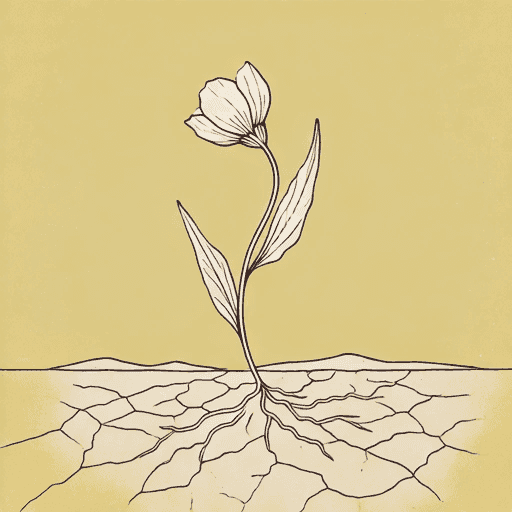
However, the drought persists, coating everything inside the house in dust. The family deepens their water conservation efforts and travels to the river to collect water for the animals. The river has dried up, and Matthew says that even he and Maggie are considering leaving. Sarah is incredulous and declares she despises the land because Jacob and Matthew “give it everything. Everything! And it gives nothing back” (39). Maggie understands Sarah’s feelings because she, too, moved to the prairie as a mail-order bride from far away. She explains that she and Sarah can’t understand the men’s ties to the land. She compares Sarah to a skylark that is unwilling to land on the ground. However, she says Sarah will suffer if she doesn’t learn to love the land like Jacob. Sarah walks away by herself, carrying dry grass in her hand. Anna writes in her journal about the time when she and Caleb picked wildflowers with Sarah and dried them in bundles. She also writes about how Sarah cut their hair and scattered it in the wind for the birds.
Chapter 8 Summary
Anna reminds Sarah of the wildflowers and roses and how they used to sing together. When a coyote approaches and drinks from the bucket, Papa worries it will kill the livestock and grabs his rifle to shoot it. Sarah cries and begs him to let it live, claiming it only needs water, just like them. The coyote escapes, and Sarah falls to the ground, sobbing. Jacob comforts her, saying that everything will be fine. Anna sees that her father is frightened, and she knows “that nothing was all right” (45). Meanwhile, someone has removed Caleb’s water jar from the fence.
Jacob and the children plan a surprise birthday party for Sarah, hoping it will lift her spirits. Maggie and her family arrive and picnic outside despite the heat and dust. Jacob gives Sarah a phonograph, and they dance in the dust. Everyone has a wonderful time, and they temporarily forget about the drought. After the guests depart, Anna gives Sarah a book she’s been writing, chronicling when Sarah arrived and became her mother. Sarah hugs the book to her chest. Later, Sarah makes Jacob return Caleb’s water jar to the fence.
Chapter 9 Summary
Maggie and Matthew’s well goes dry, and they must leave. Sarah holds back tears as she says goodbye. That night, Anna dreams of a thunderstorm and is awakened by what she thinks is thunder. However, it turns out to be a wildfire. The family sets the livestock loose and tries to smother the fire. There’s not enough water to put out the flames, and the barn burns down. The following day, over the smoldering remains of the barn, Jacob and Sarah decide she will leave and take the children to Maine. Jacob must stay back and tend to the animals, but he promises they can write letters, just as before.
Chapters 7-9 Analysis
These chapters bring the story to a pivotal climax, as the drought escalates from an inconvenience to a crisis. The barren landscape and the suffering of both humans and animals underscore the theme of The Power of Nature. The drought mirrors the emotional strain within the family, particularly Sarah’s increasing doubts about her connection to the land. Once a symbol of stability, the farm is vulnerable and threatened by forces beyond human control. The coyote represents the struggle for survival, paralleling the challenges Sarah, Jacob, and their children face. Just as the drought has made survival difficult for humans, it has also affected animals, driving them closer to homes in search of food and water. Sarah’s emotional reaction to Jacob’s intent to shoot the coyote signals her connection to the animal. Like the coyote, Sarah feels lonely and uncertain, in search of sustenance in a harsh, unforgiving landscape.
The burning barn is a dramatic symbol of destruction, danger, and forced change. It is a physical manifestation of the family’s fears as the farm is no longer a haven from the crisis but is actively under threat. The sudden and uncontrollable fire forces the family to act quickly and work together, demonstrating their resilience as well as the precariousness of their situation. The fire is not just a threat to their lives and livelihood but also a reminder that life on the prairie requires constant sacrifice.
While Sarah’s love for Jacob and the children is unwavering, her struggle with the land seems overwhelming to her. The novel’s exploration of The Importance of Family and Home deepens as Sarah begins to feel increasingly disconnected from the prairie. The land’s increasing hostility challenges her ability to endure, though her love for Jacob, Anna, and Caleb remains strong. Moreover, Sarah’s interactions with Tom reveal her desire for a baby. Her longing for a place where she truly belongs is paralleled by her unspoken desire to build a complete family with Jacob. However, the drought makes survival the primary concern, and in such conditions, the possibility of expanding the family feels impossible.
The novel also highlights Hope and Resilience in the Face of Hardship, showing that endurance often come with difficult decisions. When the river dries up, Maggie and Matthew consider leaving. Their departure isn’t an act of surrender but one of necessity, emphasizing that even those who love the land might sometimes abandon it to survive. Maggie is a source of comfort and companionship for Sarah. Both women share the experience of coming to the prairie as second wives for their husbands and instantly becoming mothers to someone else’s children. Her absence isolates Sarah further, reinforcing her sense that the prairie is inhospitable, both physically and emotionally.
Maggie and Matthew’s decision foreshadows Sarah’s eventual choice to take Anna and Caleb to Maine. Her departure is not a rejection of the prairie but a sacrifice for the children’s safety. The prairie has become a place of danger, as seen with the wildfire. So Sarah’s decision to leave is born out of love, not abandonment. She does not turn away from Jacob and their life together—rather, she parts from him to ensure their children’s survival.

Get in-depth, chapter-by-chapter summaries and analysis from our literary experts.
- Grasp challenging concepts with clear, comprehensive explanations
- Revisit key plot points and ideas without rereading the book
- Share impressive insights in classes and book clubs