Skylark
Skylark
A modern alternative to SparkNotes and CliffsNotes, SuperSummary offers high-quality Study Guides with detailed chapter summaries and analysis of major themes, characters, and more.
Summaries & Analyses
Quizzes
NEWReading Tools
Games
Themes
The Power of Nature
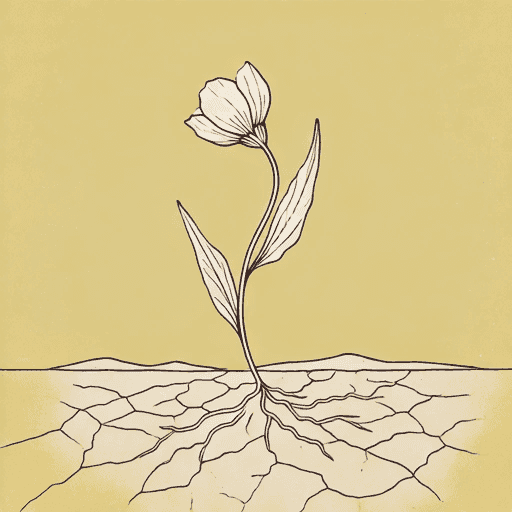
Skylark portrays how human lives are deeply intertwined with the land, reinforcing nature’s ability to shape their physical survival, emotional resilience, and sense of belonging. As the prairie dries up, so does the Witting family’s sense of stability. The novel does not present nature as idyllic or overly romanticized; instead, it portrays the realistic cycles of the natural world, where both abundant and scarce seasons exist. This portrayal challenges the idea that nature can always be tamed by human will. Instead, MacLachlan underscores nature’s unpredictability and harshness. The barn fire, which is sparked by dry conditions, is a devastating reminder that nature does not always nurture—it can just as easily destroy. The drought’s impact extends beyond the physical stresses of a lack of water. It intensifies the emotional strain on the family, causing them to question whether they can endure life on the prairie. The drought parallels the tensions within the family—the children worry more about the future of their family unit than about being thirsty. Ultimately, the family must work together and remain unified in order to survive against the forces of nature.
While nature can be harsh and unforgiving, it also holds the power to restore. In her journal entries, Anna recalls times when the fields were bountiful with flowers and the ponds full of fresh water. At these times, nature was a source of joy and connection, particularly between her, Caleb, and Sarah. Similarly, in Maine, the rain and seaside vista comfort Sarah and distract the children from their troubles at home on the prairie. After months of hardship, the long-awaited rain on the prairie brings renewal and relief. Papa journey to Maine signals nature’s ability to restore. The rain foreshadows the prairie’s revival—the barren land will bloom again, just as the family, once fractured by uncertainty, can return home. The end of the novel reinforces nature’s cyclical power: Just as drought brings despair, rain brings hope and rebirth. The family’s return home is met with new life—kittens, fresh green shoots, and the promise of a new baby—symbolizing nature’s ability to heal and renew.
Beyond its destructive and restorative forces, the novel explores how nature also fosters resilience. Jacob refuses to give up on the prairie, believing in its ability to recover. The novel does not suggest that nature is permanently fixed or predictable; even when it finally rains, Anna notes they still have a long recovery ahead. Yet, in her journal, she expresses her trust in nature with hopeful optimism, writing: “There will be flowers in the spring, and the rivers will run again” (83). This reflects the novel’s assertion that living with nature requires adaptation and perseverance. The Witting family’s return to the prairie is not framed as a triumphant victory over nature but as an acceptance of its cycles—both its hardships and its abundance. Skylark resists idealized depictions of the American prairie. Instead, the novel portrays nature as both life-giving and threatening, emphasizing that it is a force that shapes human lives.
Hope and Resilience in the Face of Hardship
The novel not only portrays the difficulties of pioneer life but also highlights the characters’ determination to endure and rebuild. Through their experiences, the story illustrates how love, family, and the promise of renewal can sustain people through their darkest moments. While the unrelenting drought tests the family’s endurance, they survive the relentless sun and dwindling resources by clinging to their hope for better times. In the end, the family and the land prove that even in the most challenging times, life can endure and emerge with a renewed appreciation for harmony and beauty.
The environmental crisis places immense emotional strain on the family, particularly on Jacob, who, as the patriarch, bears the responsibility of caring for the farm and his family. Rather than giving in to despair, Jacob remains steadfast in his belief that the land will recover, embodying the resilience of farmers who rely on faith and perseverance. His fortitude is tested further when Sarah and the children temporarily leave for Maine; but even in solitude, he continues working diligently. The rebuilding of the barn becomes a symbolic act of defiance against disaster, representing his refusal to give up. The Witting family’s persistence is rooted in their deep emotional connection, which gives them the strength to endure the physical and psychological strains of the harsh environment.
Each family member contributes to this resilience in their unique ways. Caleb’s childlike optimism embodies hope in its purest form. His creation of a rain gauge reflects his desire to believe in a better future, even when the adults around him struggle with doubt. Anna, who is more aware of her family’s challenges, holds onto hope through her writing. Her journal allows her to process emotions and preserve memories, reminding her of everything her family has endured together. Sarah, too, exhibits resilience, balancing her nostalgia for Maine’s green, water-rich landscape with her commitment to her new family and the life they have built. Even while in Maine, Sarah never stops thinking of Jacob and the farm, reinforcing her connection to the land and her family. The family’s return to the prairie reveals their enduring hope and determination to fight for what they love: their land, and each other. As Maggie proclaims, “You don’t have to love this land […]. But if you don’t love it, you won’t survive” (40). Though hardships will inevitably come again, they also know they can endure them together.
The Importance of Family and Home
The novel explores the deep connection between family and home, emphasizing that a true sense of belonging is shaped by love, commitment, and shared experiences, rather than by a specific place. For the Witting family, the prairie is more than just the land they live on—it represents their history and future. Jacob is deeply rooted in the land, viewing it as his legacy and refusing to abandon it despite the worsening drought. He says: “We were born here. Our names are written in this land” (5), highlighting the emotional weight of their connection to the prairie. However, the novel also examines the pain of leaving home, as the family hears stories of others who have chosen to leave the prairie at various points. Their shared struggle against the drought forces each character to examine their own definitions of home as they grapple with questions about what it means to belong and how their ties to a place can define their identities. Ultimately, they come to understand that loving a place sometimes means stepping away from it—whether for survival, self-discovery, or finding the strength to return.
Sarah and the children’s journey to Maine challenges their understanding of home. For Sarah, returning to Maine is a homecoming in a sense, but her heart remains divided between her past in Maine and her life on the prairie. Though Maine offers familiarity and comfort, it does not erase her love for the prairie and the life she built with Jacob. Through her experiences, the novel shows that leaving can provide perspective, allowing individuals to reassess what they value most. The family remains emotionally connected despite the distance, demonstrating that home is built on relationships rather than physical proximity. The children’s homesickness reinforces this idea, reflecting their understanding that home is not just a physical space but about being together as a family.
When Jacob comes to Maine, his arrival reaffirms that their home on the prairie is not lost. They return together, symbolizing that home is not merely a place they live in but a space they create with love, commitment, and perseverance. Sarah marks her rootedness to the land by writing her name in the prairie dirt: “Under the post where Caleb’s glass still stood, Sarah had written one word in the prairie dirt. Sarah” (86). With this, she signifies that she, too, belongs to the prairie. Despite the knowledge that hard times will come again, their family’s decision to return to the prairie affirms their resilience and their knowledge that their togetherness is essential to the idea of home. Through the struggles of drought, separation, and uncertainty, the Witting family shows that love and commitment define what home truly is.

Unlock every key theme and why it matters
Get in-depth breakdowns of the book’s main ideas and how they connect and evolve.
- Explore how themes develop throughout the text
- Connect themes to characters, events, and symbols
- Support essays and discussions with thematic evidence