Sonnet 104
Sonnet 104
A modern alternative to SparkNotes and CliffsNotes, SuperSummary offers high-quality Study Guides with detailed chapter summaries and analysis of major themes, characters, and more.
Symbols & Motifs
Appearance and Reality
Readers of William Shakespeare’s plays, especially the comedies, will be aware of the many times he plays with the discrepancy between appearance and reality. Reality is not always what it seems, and this is an underlying motif in “Sonnet 104.” The fair youth possesses such beauty that the speaker does not want him to change in any way whatsoever, and he tries to convince himself that his friend might be exempt from the ravages of time, even though time is everywhere evident in the passage of the seasons. Nevertheless, in the three years of their friendship, the fair youth looks no different than he did on the day they met—or so it appears to the speaker.
As the sonnet progresses, however, the speaker is compelled to face up to the fact that the friend’s unchanging beauty is merely an appearance; it is not the reality. The dichotomy between appearance and reality strikes the speaker forcefully at the beginning of Line 9, in that regretful exclamation “Ah,” which conveys the sudden knowledge that he can no longer keep reality at bay. Appearances are deceptive—“mine eye may be deceived” (Line 12)—and in the end, they count for nothing.
The Clock
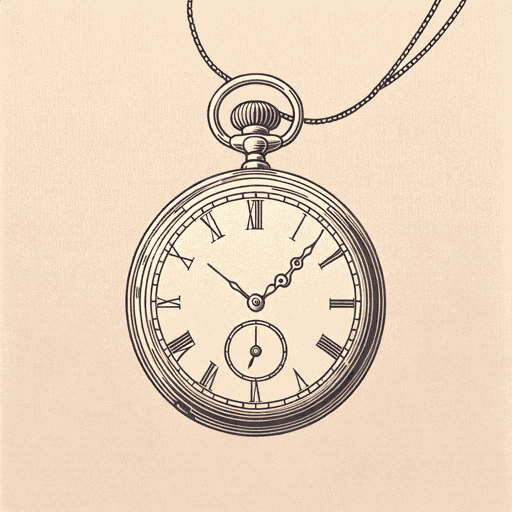
The imperceptible movement of the “dial hand” (Line 9) of the clock or watch, used as a simile for how beauty slips away, effectively symbolizes the inevitable passage of time. The speaker introduces it when he is finally ready to acknowledge the fact that beauty is ephemeral. The moment that the “dial hand” enters the poem, the timelessness of the friend’s beauty comes to an end. Clock time is relentless; it moves in one direction only.
This is not the only one of Shakespeare’s sonnets in which a clock appears. In “Sonnet 12,” Shakespeare presents a much fuller picture of what it signifies:
When I do count the clock that tells the time,
And see the brave day sunk in hideous night,
. . .
Then of thy beauty do I question make
That thou among the wastes of time must go (12.1-2, 9-10).
The motif recurs in “Sonnet 77,” with the same meaning, although the image is of a sundial rather than a mechanical clock: “Thou by thy dial’s shady stealth mayst know / Time’s thievish progress to eternity” (77.7-8).
Death
Death is the motif that dare not speak its name until the very last word of the sonnet. It lurks unseen as the speaker extols the seemingly unchanging beauty of the friend, yet nature throws up death each year in the endless cycles of the seasons. The foliage on the trees that makes up “summers’ pride” (Line 4) turns yellow in autumn, and the leaves die. Nature, of course, also produces rebirth every year; death is only one part of the eternal cycle, but this is not the case for individual human beings. As soon as the speaker acknowledges that the friend, like the dial hand of the clock, “Hath motion” (Line 12), it shows that he is subject to change and death. Like “summers’ pride,” he is a transient phenomenon whose days are numbered. Future generations will have to be told that he existed as the summit of beauty; otherwise, it will be as if he had never lived.

Unlock the meaning behind every key symbol & motif
See how recurring imagery, objects, and ideas shape the narrative.
- Explore how the author builds meaning through symbolism
- Understand what symbols & motifs represent in the text
- Connect recurring ideas to themes, characters, and events