Splendors and Glooms
Splendors and Glooms
A modern alternative to SparkNotes and CliffsNotes, SuperSummary offers high-quality Study Guides with detailed chapter summaries and analysis of major themes, characters, and more.
Summaries & Analyses
Quizzes
NEWReading Tools
Character Analysis
Clara Wintermute
Clara is one of the protagonists of Splendors and Glooms. She is the only surviving child of the Wintermute family, having lost her four siblings to cholera seven years ago. In appearance, Clara is delicate with dark hair and pale skin, features that stand out even more once she is turned into a puppet. Internally, Clara is strong but feels fragile because of all she has lost—both her siblings and the affection of her parents. For seven years, Clara has lived with her self-assigned guilt for her siblings’ deaths. She didn’t eat the watercress believed to hold the cholera, and she both wishes she had and hates herself for being grateful she didn’t. This self-blame is one of many secrets Clara holds deep inside. She wishes to be happy and to dance, and she has kept these things bottled up for so long that now “her secrecy was chronic and instinctive” (4).
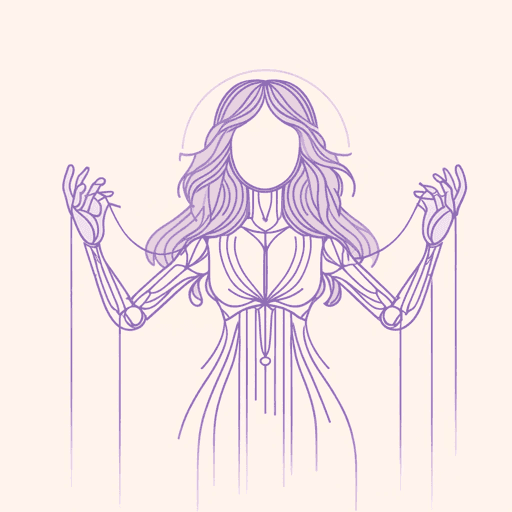
Clara’s character arc is ironic because becoming an inanimate object makes her feel more like herself than she ever has. Clara’s transformation is an important one within the theme of Managing Grief Through Love, exemplifying how human connection is key to stepping into the present and out of the trap that is unchecked grief. With Parsefall’s help, Clara can freely dance as a puppet. The action makes her feel light and as if she is not carrying heavy secrets or being forced to hide who she is to protect the sensibilities of others. Clara is equally trapped by her home life and the strictures of society. Victorian mourning periods were meant to last six months to a year, but Clara’s home has been in mourning for seven years, which has left Clara unable to pursue self-discovery or growth. Away from her home, she is allowed to experience emotions other than sorrow and guilt, and this transforms her, much like Grisini’s magic did. At the end of the book, Clara is willing and able to stand up to her parents and voice what she wants in their relationship, showing how she has developed as a character.
Lizzie Rose
Lizzie Rose is another protagonist of the novel and one of the two children who works for Grisini. Lizzie Rose is a few years older than Clara, and she was raised in a well-to-do home of performers. After the death of her mother, Grisini took Lizzie Rose in, lowering her status from middle to working class. In appearance, Lizzie Rose “looked like a fox, with her reddish hair and narrow face” (15), but these qualities also give her a rare beauty, almost like a princess. Schlitz often likens Lizzie Rose to Cinderella, even giving Lizzie Rose a rags-to-riches character arc with the inheriting of Cassandra’s estate at the end of the book. Also like Cinderella, Lizzie Rose looks for the best in everyone and in every situation. She hates to see others struggling or in pain, and she extends this caring to Parsefall (someone she cares for) and Grisini (someone she despises for how he treats others).
Like Clara, Lizzie Rose’s emotional character arc revolves around her desire to be accepted and to move past her grief. Prior to her parents’ deaths, Lizzie Rose lived comfortably and felt loved, and she misses those things. She harbors no guilt for her parents’ deaths, only a deep sense of longing to have them back and a sorrow that the past is gone. Lizzie Rose has a truly good soul as seen by her ability to feel empathy for anyone—including those who knowingly tried to do her harm. Her noble heart helps her resist Cassandra’s temptations and keep Parsefall from succumbing to his anger about Grisini. Despite this, Lizzie Rose experiences jealousy when pushed. She wants to be liked by all and feels she should be because she never takes more than is offered to her. This is almost her downfall, but her goodness allows her to work past these feelings and triumph over the worst of her that Cassandra tries to draw out.
Parsefall
Parsefall is the third protagonist of the novel and the second child in Grisini’s care. In appearance, he is small and thin, qualities that represent his troubled nature and past. Parsefall is a foil for Lizzie Rose. Where Lizzie Rose is kind and good-hearted, Parsefall is ill-tempered and foul. He curses frequently and looks out for himself first, not caring who he hurts so long as he remains out of trouble. Like Grisini, Parsefall is skilled with the puppets. He puts all his effort into learning to manipulate them better, working so intensely that it’s “almost if he were trying to get back at someone who had wronged him” (16). This represents his shadowed past with Grisini. Long before the events of the novel, Grisini turned Parsefall into a puppet (as he did to Clara). Grisini originally brought Parsefall into the puppet show because Parsefall was an adept pickpocket and thief, and Grisini wanted to use him to steal while audiences were mesmerized by the puppet show. At that time, Parsefall often refused or talked back, so to assert control and discipline, Grisini filed away one of Parsefall’s fingers while the boy was a puppet. Following the incident, the memory was locked away in Parsefall’s mind, its lingering presence keeping Parsefall fearful and subservient to Grisini. In the final chapters of the book, Cassandra unlocks this memory in a last-ditch attempt to make Parsefall steal the phoenix-stone so he can use its powers to exact revenge on Grisini. Parsefall doesn’t resist the temptation and is kept from stealing the phoenix-stone only by Lizzie Rose, showing the complicated but loving relationship between the characters.
Gaspare Grisini
Grisini is a puppet master and the antagonist of the novel. In appearance, he is an aged and withered man with angry hawklike eyes. He doesn’t hesitate to take his anger out on Parsefall, and he frequently forgets to care for his wards. The only redeeming quality he has is his ability to perform, which even Lizzie Rose acknowledges: he is “a bad guardian, a bad man perhaps, but a matchless artist” (15). Grisini is selfish and completely motivated by increasing his own power and standing. He casts whatever spells he needs to cast to get what he wants, and he has no qualms about kidnapping children to wring Ransome money from their rich families. To Cassandra, Grisini is the ultimate villain, both because he tried to steal the phoenix-stone from her and because he never loved her like she wanted him to. With both Cassandra and the children, Grisini is the ultimate puppet master, pulling the strings of their hearts and lives to suit his means. Cassandra’s spell in Chapter 44 is the ultimate punishment and justice for Grisini. He is made to dance like the very puppets he masterfully controls, and he is finally the one being manipulated, rather than the one manipulating others. His downfall ties into The Strength of Youth by demonstrating the weakness of those who have ceased growing or developing as people.
Cassandra
Cassandra is a secondary antagonist of the novel. After years in possession of the phoenix-stone, she is frail from the effects of the stone—sapping away her energy for its own use. Seventy years ago, Cassandra stole the phoenix-stone from a friend at her convent because she believed the stone would bring her what she wanted—namely the love of her father who abandoned her. In the intervening time, Cassandra has tried and failed to win the true love of suitors, always casting them aside because their love was fabricated by the stone and thus never satisfied her. In her final years, she realizes the stone has never done anything for her. Rather than bringing her joy, it has brought her only fear and heartache, and “now that she had reached the end of her life, she was a child again” (ix). Cassandra embodies the book’s major theme of The Shades of Gray Between Good and Evil. She has done terrible things throughout her life, but she has done them because she was neglected and pushed aside. While this does not justify her actions, it makes her sympathetic because her motives are not like Grisini’s—purely about power and control. Cassandra dies at the end of the book after freeing Clara from her fearful secrets. Throughout the novel, she fears death by fire at the phoenix-stone’s hand, but it never comes because she had unfinished business.
Dr. Wintermute
Dr. Wintermute is Clara’s father. He represents the trappings of Victorian society and the luxuries that were afforded to the upper class, as well as the gender divide prominent at the time. Where his wife has spent the last seven years in mourning and at home grieving for her lost children, Dr. Wintermute’s profession has brought him out of the house and forced him to interact with people. As a result, he struggles to sympathize with his wife’s continued grieving because it makes his home feel dark and unbearable. Dr. Wintermute is the catalyst for Clara’s disappearance and transformation (both literal and metaphysical). Clara can feel her father’s lack of love for her and his innermost desire that Clara’s brother had survived instead. When Dr. Wintermute realizes his feelings contributed to Clara’s discontent, he begins to realize that, by living in the past, he has neglected the present. Throughout the book, he grapples with how to bring his family back together by making his wife see that mourning their dead children only hurts their living one. Dr. Wintermute also represents the idea that we don’t know what we have until it’s gone. Before Clara’s disappearance, Dr. Wintermute thought little of what she meant to him because her presence was overshadowed by what he lost. Once Clara is lost too, however, Dr. Wintermute realizes he loves her and that she is just as worthwhile as his son was. At the end of the book, Dr. Wintermute and his wife are brought back together by Clara’s disappearance, showing the healing power of upheaval and loss.
Mrs. Pinchbeck
Mrs. Pinchbeck represents the lower classes of Victorian London, as well as the theatrics attributed to women at the time. Almost every conversation the woman has with anyone is a production, in which she plays a specific part and expects others to fulfill certain roles. She is an over-the-top rendition of the emotions women were believed to possess at the time and serves as comic relief. Mrs. Pinchbeck doesn’t change from the beginning of the story to the end, meaning she exists only to further the plot by providing an avenue through which information may be relayed.

Unlock analysis of every major character
Get a detailed breakdown of each character’s role, motivations, and development.
- Explore in-depth profiles for every important character
- Trace character arcs, turning points, and relationships
- Connect characters to key themes and plot points