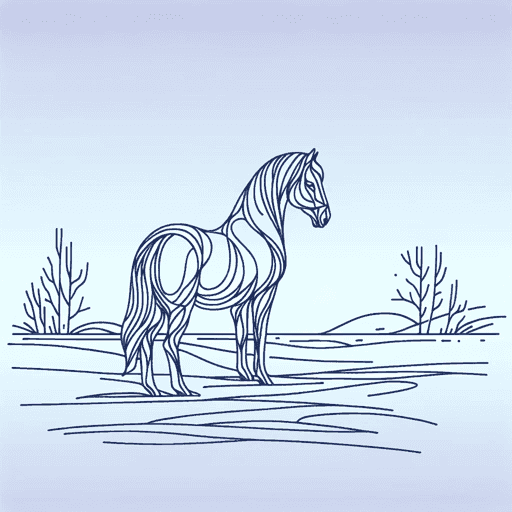
Stopping By Woods On A Snowy Evening
Stopping By Woods On A Snowy Evening
A modern alternative to SparkNotes and CliffsNotes, SuperSummary offers high-quality Study Guides with detailed chapter summaries and analysis of major themes, characters, and more.
Further Reading & Resources
Related Poems
“Nothing Gold Can Stay” by Robert Frost (1923)
This is one of Frost’s most famous short poems, and it appeared in New Hampshire, the same poetry collection in which “Stopping by Woods on a Snowy Evening” first appeared. Both poems share Frost’s “sense of sound” and focus on the natural world.
“An Old Man's Winter Night” by Robert Frost (1916)
This is another of Frost’s winter-themed poems, which would go on to establish a recurring theme in his work. Both poems also share similar imagery of night and darkness.
“At the Solstice” by Sean O’Brien (2015)
This contemporary poem celebrates the winter solstice, much like Frost’s work.
Further Literary Resources
“The Oxford Comma, Robert Frost, and Comma Suicide” by Alicia Rasley
This article discusses the controversy and the double meanings surrounding Frost’s use of the Oxford comma in the final lines of “Stopping by Woods on a Snowy Evening.”
“Robert Frost: Darkness or Light?” by Joshua Rothman (2013)
This article from The New Yorker considers the internal and external life of Frost exactly 50 years after his death.
“Robert Frost’s Favorite Poem: “Stopping by Woods on a Snowy Evening” by Ellen Kaufman (2017)
This article recounts a meeting with the poet in which he personally revealed the background and inspiration behind this beloved poem.
Listen to Poem
Tom O’Bedlam reads “Stopping by Woods on a Snowy Evening”
Veteran voice actor David J. Bauman, who records under the name Tom O’Bedlam, recites Frost’s poem, “Stopping by Woods on a Snowy Evening.”

Unlock all 17 pages of this Study Guide
Get in-depth, chapter-by-chapter summaries and analysis from our literary experts.
- Grasp challenging concepts with clear, comprehensive explanations
- Revisit key plot points and ideas without rereading the book
- Share impressive insights in classes and book clubs