49 pages • 1-hour read
The Borrowed Life of Frederick Fife: A Novel
A modern alternative to SparkNotes and CliffsNotes, SuperSummary offers high-quality Study Guides with detailed chapter summaries and analysis of major themes, characters, and more.
Symbols & Motifs
The Red and White Birdhouse
Content Warning: This section of the guide contains discussion of emotional abuse, physical abuse, child abuse, illness, and pregnancy loss.
When she is young, Hannah makes a gift for her father: a wooden birdhouse that she paints red and white in honor of the colors of his favorite sports team. She is eager to present the gift to him but Bernard, stressed over his other daughter’s illness, responds by pushing Hannah aside and then destroying the gift. This destruction is devastating to Hannah and a turning point in her relationship: After this point, she makes no more attempts to connect with Bernard, writing him off as unreachable. If the birdhouse symbolizes Hannah’s love (and desire to be loved), its destruction symbolizes the fracturing of their relationship.
What Hannah does not know is that Bernard keeps the broken pieces of the birdhouse—an indication that he truly appreciates the love that Hannah intended to show him and that he is remorseful for the hurt he caused her. When Fred discovers the pieces, he sets about building a new birdhouse for Hannah, painting it to replicate the original and including the piece with Hannah’s childhood signature in the new version. This act is symbolic of Fred’s desire to repair the damaged relationship between Hannah and her father: It indicates Fred’s understanding of just how remorseful Bernard felt, but it also shows Fred’s kindhearted spirit, which is constantly searching for ways to help those around him. Hannah’s acceptance of the gift shows her willingness to work toward forgiving her father and her desire to heal from her childhood hurt.
The Yellow Baby Booties
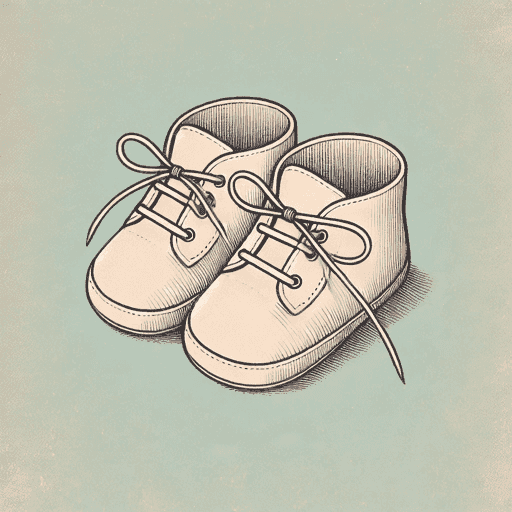
Like the birdhouse, the yellow baby booties that Fred knits for Hannah’s baby are a symbol related to The Importance of Familial Bonds. They are a direct recreation of the ones his wife, Dawn, made in preparation for the birth of their own child decades previously. To Fred, those booties symbolized Dawn’s love for the unborn child and were proof that she would have been a kind and skilled mother given the chance. In recreating the booties, Fred sees an opportunity to pass along the love that he and his wife would have shown to the lost baby to Hannah’s child, hopeful that Hannah’s baby might fill the gap he has felt his entire life. The booties’ relationship to love is further underscored by the manner of their creation. Fred has never knitted, but he develops the new hobby as a result of his willingness to connect to other people, including the knitting group at the nursing home.
Hannah’s initial refusal to accept Fred’s gift of the booties is symbolic of her rejection of Bernard: She is skeptical that her father’s remorse is genuine. Reluctant to place herself in a vulnerable position of growing close to Bernard, Hannah remains distant and cautious. However, as it becomes clear that Fred genuinely cares for Hannah, Hannah changes her mind and accepts the booties. They grow to represent the bond between her and Fred, as Fred fills the void Bernard created when Hannah was a child.
The Father’s Day Picnic
When Hannah accepts Fred’s invitation to the nursing home’s Father’s Day picnic, it marks a turning point in their relationship. Nearly all of Fred’s adult life has been marred by his unfulfilled wish to be a father: He is haunted by his wife’s pregnancy loss and feels guilty that he was unable to prevent this tragedy. For Fred, Father’s Day has been a sad yearly reminder of what is missing from his life, and he grows to disdain the holiday.
When Hannah inadvertently enters Fred’s life, he hopes that she will become the daughter that he never had, allowing him at last to fulfill the dream of becoming a parent. Hannah, however, holds on to her resentment of Bernard and is reluctant to admit that her father has changed. Yet, just as Fred longs for a child, Hannah longs for a fatherly connection. Her willingness to attend the Father’s Day picnic, then, is evidence of her willingness to open herself up to a possible connection to Fred. Indeed, the picnic proves a successful event, drawing Hannah and Fred closer to one another. Where Father’s Day has been a symbol of loss for the characters, the picnic returns it to its cultural meaning as a celebration of family.

Unlock the meaning behind every key symbol & motif
See how recurring imagery, objects, and ideas shape the narrative.
- Explore how the author builds meaning through symbolism
- Understand what symbols & motifs represent in the text
- Connect recurring ideas to themes, characters, and events