The British Are Coming: The War for America, Lexington to Princeton, 1775-1777
87 pages • 2-hour read
Rick AtkinsonThe British Are Coming: The War for America, Lexington to Princeton, 1775-1777
A modern alternative to SparkNotes and CliffsNotes, SuperSummary offers high-quality Study Guides with detailed chapter summaries and analysis of major themes, characters, and more.
Index of Terms
Continental Army
The Continental Army was the official military force formed by the Second Continental Congress in 1775 and commanded by George Washington. In The British Are Coming, it serves as the central instrument of American resistance, gradually evolving from a disorganized militia into a more disciplined and professional army, despite constant shortages, desertions, and defeats.
Hessian
Hessians were German mercenary soldiers hired by the British Crown to fight in the American colonies, primarily from the state of Hesse-Cassel. Atkinson details their disciplined battlefield presence and their capture during key moments such as the Battle of Trenton, illustrating how their presence symbolized the international dimension of the conflict and British reliance on foreign troops.
Jonathans
Jonathans was a colloquial British nickname for American soldiers, often used disparagingly to describe the provincial or rough qualities of the rebels. The term reflects the cultural distance and condescension with which British officers viewed their American opponents, even as they came to respect their resilience in battle.
Loyalist
A Loyalist was a colonist who remained faithful to the British Crown during the American Revolutionary War, opposing the movement for independence. In The British Are Coming, Loyalists represent a significant yet embattled segment of the colonial population. Often distrusted by both sides, they appear as guides, informants, or displaced persons whose loyalty to Britain placed them in direct conflict with revolutionary forces and frequently led to persecution, exile, or confiscation of property.
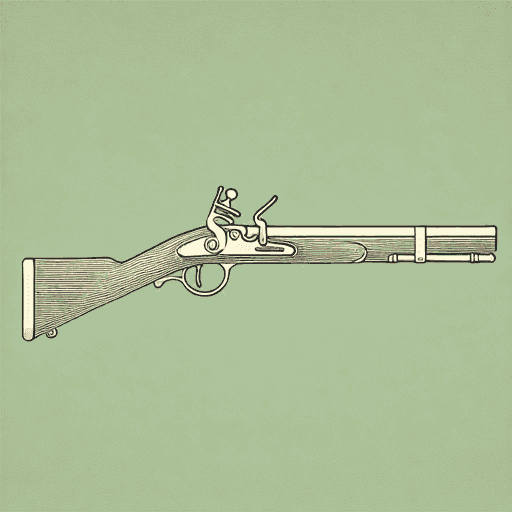
Musket
The musket was the primary infantry weapon used by both British and American forces, typically a smoothbore flintlock. In Atkinson’s telling, the musket is central to nearly every military engagement. Its relative inaccuracy and slow rate of fire contribute to the chaos and brutality of 18th-century warfare.
Patriots
Patriots were colonists who supported independence from Britain, often at great personal risk and sacrifice. The term encompasses both political leaders and ordinary soldiers; in the book, patriots form the ideological and human foundation of the American cause, driving the resistance with conviction and enduring hardship in pursuit of self-rule.
Red Coats
Red coats refers to British soldiers, named for their distinctive scarlet uniforms. In The British Are Coming, they are the professional military force tasked with suppressing the rebellion, portrayed with a mix of discipline, arrogance, and increasing frustration as the war grows more complex and protracted.
Redoubt
A redoubt is a small, often temporary fortification used to strengthen a defensive position. Throughout the campaigns described in the book, redoubts appear in sieges and battlefield preparations, particularly in the American efforts to fortify their positions with limited resources and training.
Ship of the Line
A ship of the line was a large warship built to participate in naval battles according to the line-of-battle tactic, typically armed with multiple gun decks. Atkinson describes the British navy’s use of such ships to project imperial power, control ports, and transport troops, underscoring Britain’s strategic reliance on maritime supremacy.
Yankee
Yankee was a term used by the British to refer to American colonists, especially those from New England, often with a mocking tone. Over time, it became a badge of identity and defiance; in the book, it represents the regional culture and tenacity of the New England militias that helped spark and sustain the revolution.

Unlock all 87 pages of this Study Guide
Get in-depth, chapter-by-chapter summaries and analysis from our literary experts.
- Grasp challenging concepts with clear, comprehensive explanations
- Revisit key plot points and ideas without rereading the book
- Share impressive insights in classes and book clubs