The Brothers K
65 pages • 2-hour read
David James DuncanThe Brothers K
A modern alternative to SparkNotes and CliffsNotes, SuperSummary offers high-quality Study Guides with detailed chapter summaries and analysis of major themes, characters, and more.
Symbols & Motifs
Baseball
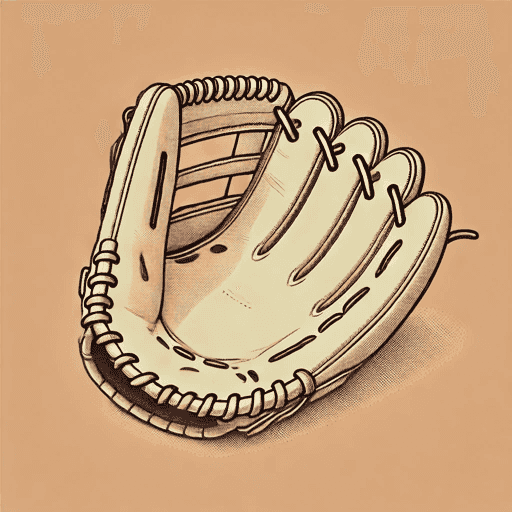
The recurring motif of baseball provides the novel’s central framework for understanding life, spirituality, and art. It is more than a game; it is a philosophical language through which the Chance family processes success, failure, and the search for meaning. This motif directly develops the theme of baseball as a spiritual path, offering a tangible, embodied alternative to the rigid doctrines of organized religion. For the men of the Chance family, the disciplined practice of pitching or hitting becomes a form of devotion, a way to find order and even grace in a chaotic world. The game’s unpredictable nature, with its sudden reversals of fortune and moments of unexpected achievement, serves as a powerful metaphor for the family’s own tumultuous journey.
Papa Chance’s relationship with baseball charts the novel’s primary emotional and spiritual arc. His career is tragically cut short by a mill accident that crushes his thumb, an injury symbolizing the death of his public identity and dreams. His manager, G. Q. Durham, writes that “once you’ve known & done it what you go through when you lose it is a death, pure & simple” (12). This “death” forces Papa to reinvent his connection to the game. He transforms his backyard shed into a private sanctuary where baseball becomes “psalmball,” a solitary spiritual practice. This evolution from professional ambition to private ritual illustrates the novel’s argument that true faith is often found not in public institutions but in personal, dedicated craft.
The motif extends through the generations, with each brother’s engagement with baseball reflecting his distinct ideology and character. Everett’s intellectual and contentious approach, Peter’s quiet and philosophical pursuit of perfection, and Irwin’s simple, powerful love of hitting all reveal their different ways of navigating the world. Ultimately, the novel itself is structured like a baseball game, divided into “Books” and using the rhythms of the sport to frame its narrative. This structural choice reinforces the idea that baseball is not just a subject of the story but the very lens through which the Chance family’s epic is told, making it the undeniable heart of the novel.
The Shed
The backyard shed is a pivotal symbol of personal, private faith, standing in direct opposition to the institutional religion that divides the Chance family. This simple, three-walled structure, built from salvaged lumber, becomes Papa’s sacred space—a self-made church where he can practice a form of worship that is meaningful to him. The shed embodies the theme of The Tension Between Personal Faith and Organized Religion by providing a physical location for an alternative spirituality. It is a sanctuary from the judgment of Mama’s church and the failure of his professional career, a place where Papa can engage in a ritual that connects him to a sense of the divine.
Inside the shed, Papa transforms baseball from a public profession into a private spiritual exercise he calls “psalmball.” This act of renaming is crucial, as it signifies his conscious separation from the pressures and disappointments of the baseball world. When instructing Kincaid, Papa insists that his practice is not a comeback attempt, saying, “Call it psalmball, or shedball, or thumbball if you like. But remember it’s not baseball” (113). This statement underscores the shed’s role as a place of transformation, where the meaning of an activity is determined by personal intent rather than external validation. It is here that Papa finds a way to heal from the loss of his career by reinventing his relationship with his craft, making it a source of inner peace instead of ambition.
The shed’s construction from “cow-kicked, weather-beaten lumber” further enhances its symbolism (104). It represents a faith that is patched together from imperfect, humble materials and lived experience, contrasting sharply with the rigid, unyielding doctrines of the Seventh Day Adventist Church. It is a testament to the idea that a sacred space can be built anywhere, from anything, as long as it houses a sincere and personal devotion. The shed is Papa’s answer to the ideological battles raging within his home, a quiet testament to the power of finding one’s own sense of fulfillment.
Storytelling and Written Documents
The motif of storytelling and written documents underscores the primary way characters in the brothers of the novel construct their identities, preserve memory, and navigate family conflict. The novel itself is an extended act of storytelling, with Kincaid Chance narrating his family’s history, but his account is deliberately interwoven with other texts: letters, essays, a play, and poems. This collection of documents creates a polyphonic narrative, suggesting that the family’s “story” is not a single, authoritative version but a compilation of differing perspectives held in constant, often conflicting, dialogue. This motif is central to the theme of navigating family conflict, as the written word becomes a vital, if sometimes volatile, medium for communication and self-expression across ideological divides.
The embedded documents are crucial to the novel’s structure and character development, offering insights that Kincaid’s narration alone cannot provide. For example, Irwin’s sprawling essay, “THE HISTORY OF MY DAD FROM HIS BIRTH UP TO KINCAID’S” (55), is a heartfelt, mythologizing account that reveals as much about Irwin’s earnest faith and devotion as it does about Papa’s past. In contrast, Everett’s cynical play, Hats, and his radical newspaper columns frame his identity as an intellectual rebel. These documents are not mere interruptions in the narrative; they are the primary artifacts of the characters’ inner lives, allowing them to articulate the beliefs and traumas that are too complex or contentious for spoken conversation.
Ultimately, storytelling functions as a way for the characters to create meaning from chaos and preserve connection despite distance and disagreement. After Papa’s career-ending injury, a letter from his old manager G.Q. Durham helps the family process the tragedy by framing it within the larger, shared narrative of baseball. Once several of the siblings move out, their frequent communication through letters helps reveal their inner worlds and character development. Years later, Kincaid’s act of writing the novel itself becomes the ultimate expression of this motif. By gathering the letters, essays, and memories of his fragmented family, he performs an act of love and preservation, shaping their collective pain, joy, and resilience into a coherent and meaningful story that ensures their legacy endures.

Unlock the meaning behind every key symbol & motif
See how recurring imagery, objects, and ideas shape the narrative.
- Explore how the author builds meaning through symbolism
- Understand what symbols & motifs represent in the text
- Connect recurring ideas to themes, characters, and events