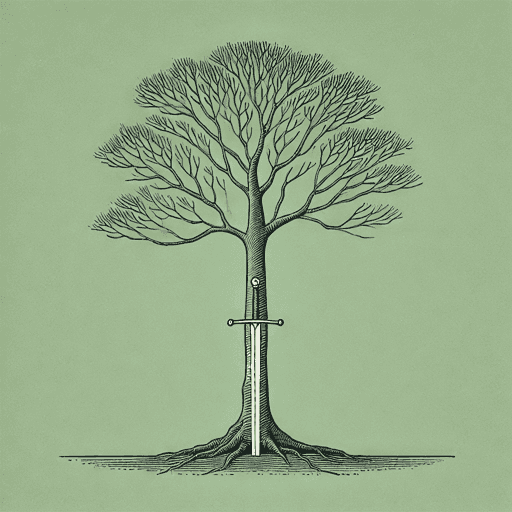
The Everlasting
61 pages • 2-hour read
Alix E. HarrowThe Everlasting
A modern alternative to SparkNotes and CliffsNotes, SuperSummary offers high-quality Study Guides with detailed chapter summaries and analysis of major themes, characters, and more.
Book Club Questions
Content Warning: This section of the guide contains discussion of graphic violence and illness or death.
General Impressions
Gather initial thoughts and broad opinions about the book.
1. Alix E. Harrow often explores the power of stories and forgotten histories in her work. How did you feel The Everlasting’s deconstruction of national myths compared to the way she handles similar themes in her other novels, such as The Ten Thousand Doors of January and The Once And Future Witches?
2. What was your initial impression of the relationship between Owen and Una? How did your feelings about their connection change as they moved from being a historical figure and her scribe to partners escaping their own legend?
Personal Reflection and Connection
Encourage readers to connect the book’s themes and characters with their personal experiences.
1. Owen’s reverence for Una’s legend is shattered when he confronts the brutal reality of her life. Have you ever had an experience where learning the truth behind a story or meeting someone you admired changed your perspective in a fundamental way?
2. The struggle between an imposed destiny and personal freedom is a central theme. Think about a time you felt pressure to follow a specific path set by others’ expectations. How did you navigate that, and how does your experience connect with Una’s and Owen’s fight to write their own story?
3. For much of the novel, Una and Owen are fugitives, and their only anchor is each other. What do you think the idea of “home” comes to mean for them by the end? What makes a place, or a person, feel like home to you?
4. Una and Owen’s bond is forged in shared trauma and a desperate need to break a cycle. Consider the important relationships in your own life. What are the core elements of those connections, and how do they differ from or resemble the foundations of Una and Owen’s partnership?
5. How does the novel’s exploration of courage connect to or refute your own definition of it? Do you see it more in Una’s legendary battlefield victories, Owen’s final act of self-sacrifice, or his father’s lifelong commitment to political dissent?
Societal and Cultural Context
Examine the book’s relevance to societal issues, historical events, or cultural themes.
1. Vivian Rolfe believes that a nation is “only a story we tell about ourselves” and is willing to kill to perfect that story. How do you see this idea of crafting national myths, sometimes at the expense of truth, playing out in our world today?
2. The novel uses recruitment posters, medals, and epic poems to show how stories can be weaponized to glorify violence and justify war. Where do you see similar uses of narrative and symbolism in modern society to shape public opinion about conflict or national identity?
3. The story reveals that history in Dominion has been repeatedly altered to serve the political needs of the powerful. How does this reflect current debates about how history is taught, who gets to write it, and which stories are remembered or erased?
Literary Analysis
Dive into the book’s structure, characters, themes, and symbolism.
1. The novel is a work of metafiction, constantly reminding us that we are reading a story that is being created. What impact does this self-aware structure, with Owen as the trapped author, have on the themes of propaganda and historical truth?
2. What is the significance of the shift in perspective from Owen in Part 1 to Una in Part 2? How does experiencing the same events through Una’s eyes deepen the novel’s deconstruction of heroism and glorified violence?
3. This story draws heavily on Arthurian legends, which were also used to construct a national identity. In what ways does Harrow use and subvert familiar fantasy tropes like the sword in the tree, the grail quest, and the knight’s oath to question the very foundations of the genre?
4. What role does the recurring motif of blood play in the novel? How does the novel use blood to create a counter-narrative to the sanitized, official history written in Owen’s book?
Creative Engagement
Encourage imaginative and creative connections to the book.
1. The epilogue offers glimpses of the new folklore surrounding the “Green Knight.” Create another short tale that might be told by the residents of the sanctuary wood about Una or Owen. What lesson or value would your story emphasize?
2. Vivian Rolfe’s primary tool for controlling reality is the magical book. Design another enchanted object that could be used to manipulate or preserve history. What form would it take, how would it work, and what would be its greatest weakness?
3. Picture yourself finding refuge in the unnamed wood that Una and Owen protect. What past would you be escaping, and what skill or story would you contribute to this community of outcasts?

Unlock all 61 pages of this Study Guide
Get in-depth, chapter-by-chapter summaries and analysis from our literary experts.
- Grasp challenging concepts with clear, comprehensive explanations
- Revisit key plot points and ideas without rereading the book
- Share impressive insights in classes and book clubs