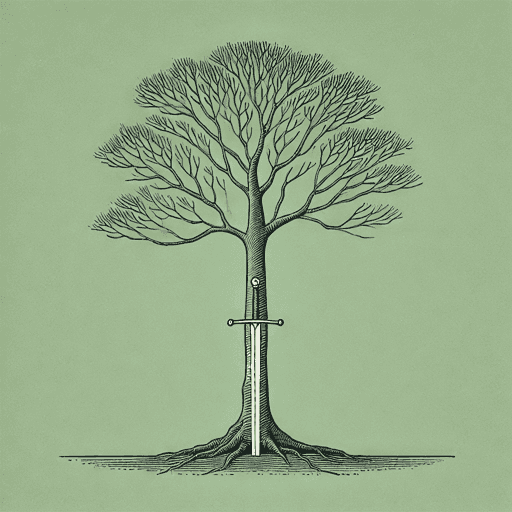
The Everlasting
61 pages • 2-hour read
Alix E. HarrowThe Everlasting
A modern alternative to SparkNotes and CliffsNotes, SuperSummary offers high-quality Study Guides with detailed chapter summaries and analysis of major themes, characters, and more.
Essay Topics
In what ways does the novel interrogate the idea of “legacy?” Consider how memory, storytelling, and survival shape what endures over time.
Discuss how The Everlasting uses and subverts the conventions of Arthurian legend. Examine how familiar tropes, such as the sword in the tree and the quest for the grail, are repurposed to critique the violent and artificial process of national mythmaking.
Read Audrey Niffenegger’s novel The Time Traveler’s Wife (2003). How do both novels use the idea of time travel to explore the tension between fate and free will? Examine one shared theme between the two texts and discuss how the characters’ developments explore this theme.
In what ways is humor used in the novel? Discuss specific moments where Owen’s narration is light-hearted and humorous and how it impacts the overall tone of the text.
How does the novel contrast Una’s legendary, violent deeds with Owen’s father’s quiet, lifelong political dissent? How does this contrast deconstruct traditional definitions of heroism and service?
While Vivian Rolfe is the antagonist, her actions are rooted in a desire to escape the powerlessness of her youth. To what extent does the novel present her as a tragic figure? How are her actions tied to her history’s systems of control that restrict female power?
Analyze the character arc of Sir Ancel. How does Vivian Rolfe’s manipulation of his role across different timelines explore the idea of loyalty? How does his development relate to the novel’s broader argument about the vilification of individuals for political gain?
Discuss Professor Sawbridge’s character and her relationship to Owen. How does she represent academic integrity, and how does she fight back against the idea of state-sponsored history?
The novel concludes not with a singular, authoritative text but with a collection of evolving folklore about the “Green Knight.” Analyze how this ending champions fluid, communal storytelling over the monolithic, state-controlled myth of the Everlasting Cycle.
Discuss how Owen’s transformation from a preserver of stories into a man who decides to “put away his pen” reflects the novel’s argument about the moral responsibilities of a historian.

Unlock all 61 pages of this Study Guide
Get in-depth, chapter-by-chapter summaries and analysis from our literary experts.
- Grasp challenging concepts with clear, comprehensive explanations
- Revisit key plot points and ideas without rereading the book
- Share impressive insights in classes and book clubs