The Exchange: After The Firm
70 pages • 2-hour read
John GrishamThe Exchange: After The Firm
A modern alternative to SparkNotes and CliffsNotes, SuperSummary offers high-quality Study Guides with detailed chapter summaries and analysis of major themes, characters, and more.
Symbols & Motifs
The Great Gaddafi Bridge
The Great Gaddafi Bridge is a pervasive symbol that represents the corruption and irrational leadership of autocratic power. The text indicates its centrality in the entire novel’s conflict, directly illuminating the theme of Seeking Justice Outside the Compromised Ethics of Global Institutions. The bridge is described as one of Gaddafi’s unrealistic projects in the quest for economic control and power. As Luca Sandroni notes, it is “a bridge in the desert, with delusional plans to link one side of the desert to the other” (51). This description underscores the dictator’s narcissism, whose grandiose vision of a practically useless monument is completely detached from reality. The Gaddafi bridge, built over a nonexistent river, serves only Colonel Gaddafi’s ego and self-interest.
The Gaddafi bridge drives narrative conflict through Gaddafi’s refusal to pay the $400 million owed to the Lannak corporation for its completion. This situation, a result of Gaddafi’s disregard for contractual obligations and absolutism, triggers the lawsuit that places Giovanna in mortal danger. The bridge, therefore, is not merely a background setting but an overarching symbol illuminating the dangerous arrogance of unchecked power. It demonstrates how the amoral decisions of a political structure—in this case, Gaddafi’s regime—can lead to catastrophic consequences for individuals and states alike, setting in motion a chain of events that exposes the hollowness of institutional promises.
The Jakl Phone
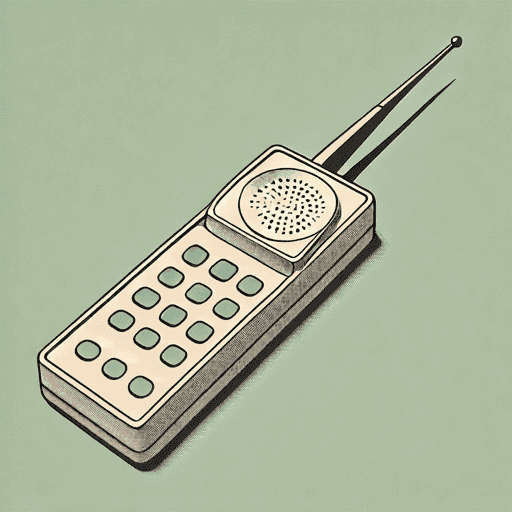
The Jakl phone is a symbol of the globalized world, its porous boundaries and violation of the domestic sphere, connecting to the theme of The Illusion of Safety in Material Success. For the McDeeres, their Manhattan life, built on professional achievement and wealth, represents a safe sanctuary that shields them from the dangers of the world. The arrival of the untraceable Jakl phone shatters this illusion of a secure and stable family life, acting as a physical tether that connects their private lives to an international conspiracy. Noura’s instructions to Abby, who becomes the temporary owner of the phone, are explicit and terrifying: “The enclosed phone is crucial. Keep it close at all times, even when you sleep. I will call at odd hours. Do not miss a call” (161). This command transforms the mobile phone, a common object of communication that represents the global status of the modern world, into an instrument of control and constant psychological terror. The phone becomes a constant, ominous presence in the McDeeres’ home, a tool that causes disorder and unsettles their daily life. It symbolizes the fragility of their security, proving that in a globalized world, success and prosperity cannot guarantee individual safety or prevent danger from threatening even the most carefully constructed life.
Surveillance and Secret Knowledge
The recurring motif of surveillance and the strategic use of secret knowledge reinforces the novel’s atmosphere of corporate intrigue and political tension, and defines the central power dynamic between the McDeeres and the terrorists. Mitch and Abby navigate a world that is constantly surveilled and monitored, from Mitch’s corporate professional environments to the security measures the threat of terrorism necessitates in their lives, the McDeeres’ personal lives and privacy are shattered. This pattern underscores the illusion of safety in material success. For instance, after Noura, a link to the terrorist organization, demonstrates photos of Abby and the children outside their school, the McDeeres’ secure life in Manhattan proves to be fragile, as they become vulnerable under the threat of terrorism.
The motif also informs the theme of Resolving the Past to Move Into the Future, connecting Mitch’s present crisis to his past secrets. Hassan, another connection to the kidnappers, reveals an intimate detail of Mitch’s history with the Bendini firm when he directs Abby to send her husband to make the ransom payment in the Cayman Islands, adding, “I believe he knows the place” (294). This shocking revelation, alluding to Mitch’s embezzlement of the corrupt firm’s “dirty money,” a secret Mitch long buried in his past, is a pivotal moment, transforming the kidnapping incident from a random act of terror into a targeted, personal assault. The terrorists’ secret knowledge becomes their greatest weapon, giving them complete control and proving that Mitch’s carefully constructed new life remains vulnerable to the unresolved issues of his past.

Unlock the meaning behind every key symbol & motif
See how recurring imagery, objects, and ideas shape the narrative.
- Explore how the author builds meaning through symbolism
- Understand what symbols & motifs represent in the text
- Connect recurring ideas to themes, characters, and events