The Forest of Hands and Teeth
52 pages • 1-hour read
Carrie RyanThe Forest of Hands and Teeth
A modern alternative to SparkNotes and CliffsNotes, SuperSummary offers high-quality Study Guides with detailed chapter summaries and analysis of major themes, characters, and more.
Background
Genre Context: The Blending of Horror, YA Romance, and Dystopian Fiction
The Forest of Hands and Teeth is a survival story set generations after a zombie apocalypse, and although the word zombie never appears in the text, the so-called “undead” or “Unconsecrated” are easily recognizable as such due to their classic shambling gait and vicious need to bite and claw humans. Notably, the term “Unconsecrated” carries distinct religious connotations that reflect the village’s submission to the Sisterhood’s theocratic power. The author also employs this term to claim a unique narrative space and to differentiate the novel from more well-known zombie-themed works such as Max Brooks’s World War Z: An Oral History of the Zombie War or zombie parody mash-ups like Pride and Prejudice and Zombies by Seth Grahame-Smith. The strategic use of collective nouns as labels also depicts this novel’s version of zombies as a singular, monstrous force; they exist en masse, lacking any individuality—with the single exception of Gabrielle, the “Fast One.” Additionally, because the Unconsecrated have an unknown origin and exist beyond the safe boundaries of the cloistered village, these undead creatures collectively symbolize the dangers of the unknown and the mysteries of the past.
Although the premise and the world-building of the novel are heavily dependent upon the robust canon of zombie-themed literature and film, the author also combines other literary flavors, situating The Forest of Hands and Teeth as a multi-genre work. For example, the lack of a specific setting is a distinctly dystopian element that elevates the narrative’s nuanced timelessness. Additionally, despite the authority of the all-female Sisterhood, the author’s world-building echoes feminist dystopian narratives such as Margaret Atwood’s The Handmaid’s Tale (1985), for just like Atwood’s protagonist, Mary must struggle to navigate the rigidly structured and highly patriarchal social rules that dominate life in the village. Rather than being allowed to make her own way in this limited world, Mary must depend upon a man to “speak for” her (i.e., marry her), and if no one steps forward, she has no choice but to become a Sister herself. Thus, from the very beginning, the novel foreshadows that the inquisitive, nonconformist Mary will eventually break free from the limited options that dictate the course of her life in the village.
Cementing the novel’s status as a multi-genre work is Mary’s stereotypically teenage fixation upon the various romantic interests in her highly restricted life. Yet although romance figures heavily in the plot, the author merely implies the presence of intimacy between Mary and her beaus; amorous scenes are never fully detailed. This oblique approach acknowledges the typical romance conventions but imbues the narrative as a whole with a nebulous, otherworldly tone, almost as if the novel’s events are happening in a dream.
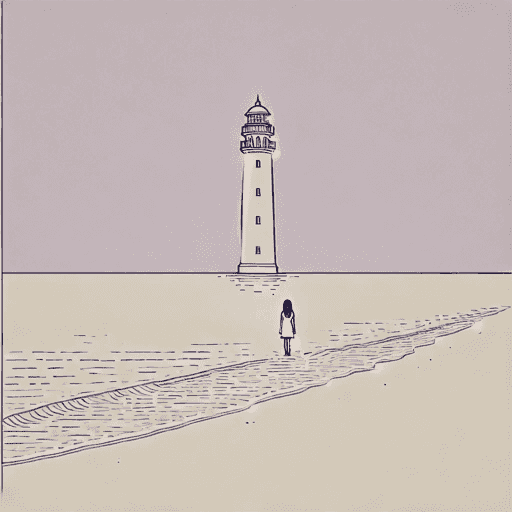
This ethereal writing style lends itself well to the Gothic horror featured in the novel. Echoes of this particular subgenre can be seen in the primitive confines of the village and domineering winery-turned-Cathedral. Traditionally, Gothic horror stories have often eschewed outright descriptions of gore, focusing instead on tropes such as a gloomy mood, foreboding architecture, unexplained terrors, and somber pronouncements. In The Forest of Hands and Teeth, attacks do occur from time to time, but the author cloaks these scenes in poetic language that metaphorically creates an impressionistic painting of the violence involved. Furthermore, the author deliberately includes imagery that holds deeper levels of meaning. For example, the fences symbolize Mary’s feelings of isolation even among other villagers, and the ocean represents the idea of finding a better life in a far-off place. By minimizing the typical horror elements of excessive gore, the author gains the space to promote more elevated themes such as the oppressive nature of patriarchal societies and the persistence of hope amidst impossible circumstances.

Unlock all 52 pages of this Study Guide
Get in-depth, chapter-by-chapter summaries and analysis from our literary experts.
- Grasp challenging concepts with clear, comprehensive explanations
- Revisit key plot points and ideas without rereading the book
- Share impressive insights in classes and book clubs