The Fourth Daughter
51 pages • 1-hour read
Lyn Liao ButlerThe Fourth Daughter
A modern alternative to SparkNotes and CliffsNotes, SuperSummary offers high-quality Study Guides with detailed chapter summaries and analysis of major themes, characters, and more.
Symbols & Motifs
Content Warning: This section of the guide includes discussion of physical abuse, emotional abuse, mental illness, and death.
The Fourth Daughter
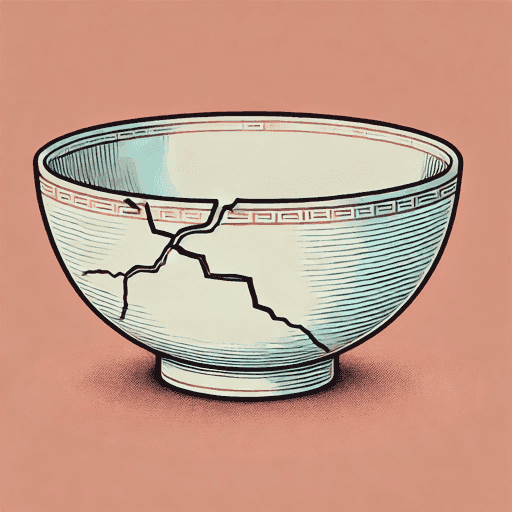
The titular figure of the novel, the fourth daughter, is a living symbol of the consequences of suppressed generational trauma. From the opening pages, Yi-ping establishes that in Taiwan, “the word for ‘four’ sounds so similar to the word for ‘death’” (2). This linguistic cultural belief condemns Yili from birth, allowing her father to frame her as a curse responsible for the family’s misfortunes. Her existence represents a hidden wound, and her forced disappearance becomes the central secret that defines the family’s pain for over 60 years. Her absence is a haunting presence that shapes Yi-ping's entire life. Yili symbolizes the parts of history and identity that are intentionally buried but refuse to be forgotten.
The search for Yili functions as a powerful metaphor for the family’s need for Reckoning With the Past to Reclaim Identity. Her father’s act of giving her away is one of absolute patriarchal control. This single act of erasure fractures the family line and identity. Consequently, Liv and Yi-ping’s quest to find Yili is not merely about locating a lost person; it is about uncovering the painful truths that have been silenced for decades. This journey forces the characters to confront the ugly history of their family, including its KMT connections and its patriarchal cruelties. Yili’s eventual rediscovery represents the possibility of healing and reunification. Finding her is akin to finding a missing piece of their collective soul, proving that confronting the past, however painful, is the only way to make a fractured family whole again.
Secrets and Silence
Secrets and silence are a foundational motif in the novel, representing the oppressive forces, both familial and political, that perpetuate trauma across generations. The narrative is built upon The Enduring Weight of Generational and Personal Trauma, beginning with the central secret of Yili’s existence and disappearance. This initial act of concealment, dictated by unilateral patriarchal action, metastasizes into a pervasive silence that governs the Wang household. As Liv’s mother recalls, “There are a lot of things that weren’t spoken about in the household, and we learned not to ask too many questions” (31). This learned silence becomes a tool of control and a symptom of unresolved grief, preventing genuine connection and forcing characters to carry their burdens in isolation. Secrets do not simply hide the past but actively poison the present.
The novel parallels private secrets with public, political silences to underscore the inescapable weight of a hidden past. Ziyi’s abuse is concealed behind lies about clumsiness, a secret she maintains to survive. This is juxtaposed with the unspoken political atrocities of the White Terror, an era when people in their neighborhood “would disappear, often because of my father” (30). By linking the trauma of a hidden family history to a suppressed national history, the narrative argues that both forms of silence are profoundly damaging. The plot is driven by the process of revelation, whether through Yi-ping’s quest for Yili or the discovery of Ang-Li’s journal, which corrects the family’s sanitized history. The motif reinforces that healing, for a person, a family, or a nation, can only begin when secrets are brought into the light and silence is finally broken.
Food and Cooking
Throughout the novel, the recurring motif of food and cooking serves as a primary language for love, memory, and healing, bridging the gaps created by trauma and silence and contributing to the theme of Personal Healing Through Family and Cultural Connection. When words fail, characters express their deepest emotions through the preparation and sharing of meals. This is most powerfully symbolized by Yi-ping’s handwritten cookbook, a tangible archive of her grief and unwavering love for her lost daughter. She begins the cookbook with the desperate hope that if she could “perfect a dish that she loved, she’d come home” (87). The recipes become vessels for memory and identity, transforming the cookbook from a simple collection of instructions into a sacred text of maternal devotion and cultural preservation.
This motif also drives Liv’s character arc, linking her professional identity to her personal recovery. Initially, Liv distances herself from her heritage, dismissing Taiwanese food as too simple for her culinary ambitions. Her journey back to her roots is catalyzed by Chef Wu’s advice to discover her own voice by connecting with her culture, asking her, “[W]ho is Liv Kuo? At your essence?” (27). By learning to cook her grandmother’s recipes in Taiwan, Liv reconnects with her family’s history and begins to heal her trauma, rediscovering a passion she thought was lost. The acts of cooking and eating together facilitate the novel's most important emotional breakthroughs.

Unlock the meaning behind every key symbol & motif
See how recurring imagery, objects, and ideas shape the narrative.
- Explore how the author builds meaning through symbolism
- Understand what symbols & motifs represent in the text
- Connect recurring ideas to themes, characters, and events