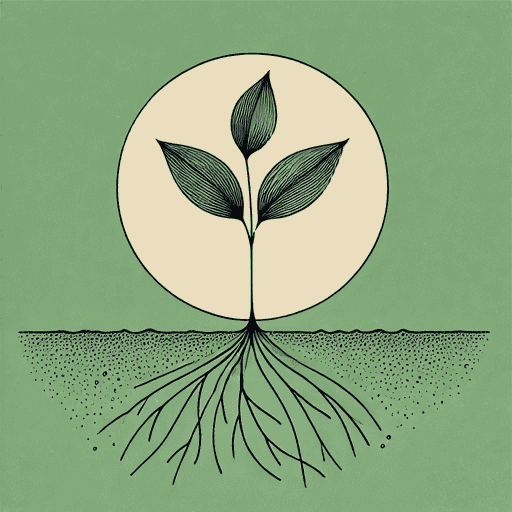
The Garden Within: Where the War with Your Emotions Ends and Your Most Powerful Life Begins
51 pages • 1-hour read
Anita PhillipsThe Garden Within: Where the War with Your Emotions Ends and Your Most Powerful Life Begins
A modern alternative to SparkNotes and CliffsNotes, SuperSummary offers high-quality Study Guides with detailed chapter summaries and analysis of major themes, characters, and more.
Discussion Questions
General Impressions
Invite readers to reflect on their broad takeaways and initial reactions to the book.
1. What aspects of Phillips’s garden metaphor did you find most useful or practical for thinking about emotional and spiritual growth in daily life?
2. Phillips weaves together scripture and psychology throughout the book. Did this blend feel accessible and balanced to you? Were there moments when one perspective felt more convincing or helpful than the other?
3. How does Phillips’s approach to emotional health compare to other spiritual wellness books you’ve read, such as Ask and It Is Given or The Book of Joy? Did her voice or message feel unique?
Personal Reflection and Connection
Help readers relate the book’s lessons to their own life experiences.
1. Which emotional “soil” type—packed (sadness), stony (anger), or thorny (fear)—do you most relate to, and how do you see it affecting the way you process your emotions?
2. What small habits or practices currently help you tend your “inner garden”? What new ones are you considering after reading this book?z
3. Have you ever struggled with the expectation to be emotionally “put together” in your spiritual or faith circles? How does Phillips’s message challenge or affirm those experiences?
4. Thinking about the three well-being areas (relationships, purpose, legacy), which feels most in need of your attention right now—and why?
4. Can you recall a time when your emotions clearly impacted your physical health or energy? How did that awareness shape your actions?
5. What were you taught about “emotional control” growing up? How has your understanding evolved, especially in light of Phillips’s framework?
Real-World Relevance
Encourage readers to think about the book’s role in current social or cultural conversations.
1. In what ways do you see faith communities—locally or globally—moving toward or away from emotional openness as a sign of spiritual maturity?
2. Phillips highlights the stigma of mental health in African American church communities. Where do you observe progress, resistance, or change around this issue?
3. How might Phillips’s metaphor of emotional gardening be helpful in broader conversations about healing from collective trauma, such as the COVID-19 pandemic, racial injustice, or burnout culture?
Practical Applications
Invite readers to consider how they might put the book’s advice into action.
1. Picture your “emotional garden” right now. What’s one practical step you could take this week to cultivate it—whether that’s pulling a thorn, loosening packed soil, or planting something new?
2. Which of the emotional habits Phillips describes would you most like to replace or reframe? What’s a small change you could try to shift that pattern?
3. If you were to lead a small group or workshop on emotional wellness using this book, what concept would you most want others to walk away with—and how would you encourage them to apply it?
Need more inspiration for your next meeting? Browse all of our Book Club Resources.

Unlock all 51 pages of this Study Guide
Get in-depth, chapter-by-chapter summaries and analysis from our literary experts.
- Grasp challenging concepts with clear, comprehensive explanations
- Revisit key plot points and ideas without rereading the book
- Share impressive insights in classes and book clubs