The Keeper of Lost Things
The Keeper of Lost Things
A modern alternative to SparkNotes and CliffsNotes, SuperSummary offers high-quality Study Guides with detailed chapter summaries and analysis of major themes, characters, and more.
Summaries & Analyses
Quizzes
NEWReading Tools
Games
Chapters 40-51Chapter Summaries & Analyses
Chapters 40-51 Summary
It is 2005. To commiserate over the publishing success of Portia’s novel (critics hail it as a masterful example of sly satire), Bomber and Eunice travel to Brighton along the English Channel some 50 miles south of London. It is Bomber’s favorite seaside port (Eunice suspects it might have to do with Brighton long being known as a welcoming city for the LGBT community). The two enjoy a day of sunshine and freedom. During the visit, however, Eunice notices that Bomber asks the same question in the space of 10 minutes. Eunice fears the beginnings of Bomber’s “gentle unravelings.”
Within a few years, Bomber is admitted to the same facility where his father died. Eunice visits almost daily. By 2013, Eunice is a regular at the facility. Eunice and Bomber sit together for long periods in the facility’s gardens. Bomber’s life had become like “an unbound manuscript, badly edited” (237). His awareness of Eunice comes and goes, but the two still share their passion for movies. Often, they watch movies in Bomber’s hospital room. One night, Bomber asks to watch One Flew Over the Cuckoo’s Nest. During the movie, at the moment when Chief Bromden smothers McMurphy rather than leave him helpless and lobotomized in the mental institution, Bomber grips Eunice’s hand and says, “Get. Me. Out” (246). Eunice understands Bomber is calling in his promise.
When confusion in the hallway distracts the night nurse who comes to Bomber’s room to dispense his nightly medication, Eunice steals the key out of the cabinet door and gives it to Bomber. She kisses him goodbye and leaves. She reads in the paper the next day of Bomber’s death in a fall from the second floor. The coroner finds an unusually high presence of sedatives in his system, but the death is ruled accidental. After Bomber’s death, Eunice is certain Portia’s memorial service will be gaudy and tasteless. Determined to scatter Bomber’s ashes at the beach in Brighton, Eunice switches the cremains. She puts Bomber in a tin of cookies and, crushing the cookies and mixing them with gravel for weight, fills the urn. She calmly watches the cheesy memorial service for Bomber, knowing the entire time the urn contains crushed cookies and gravel. When it is over, she boards the train to Brighton with the cookie tin.
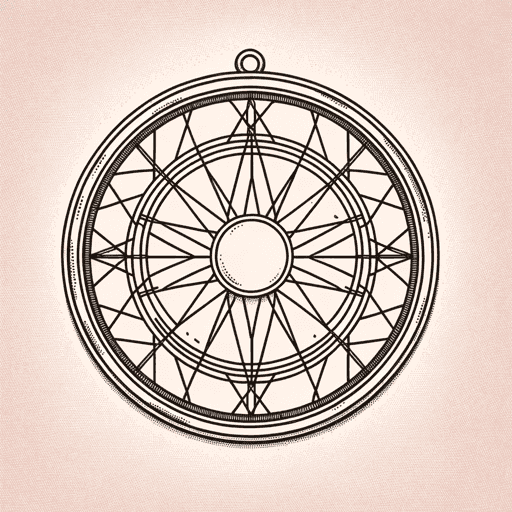
The narrative returns to Padua. The Keeper of Lost Things website begins to attract responses. In the first months of its operation, the owners of the jigsaw puzzle piece, the hair clip, and the child’s umbrella each contact Laura and come to Padua to collect their lost items and share their stories. Meanwhile, Laura and Freddy parse Anthony’s letter line by line looking for whatever clues Sunshine claims it holds. They are intrigued by a reference the letter makes to the Communion medallion as “the last remaining thread” that bound him to Therese and how important recovering it was to him (244).
Laura is frustrated; she has no idea how to locate the medallion after all these years. She cannot post anything on the website because she does not know what the medallion looks like. Sunshine then discovers the cookie tin with the cremains among the things in Anthony’s study. It is such an unusual lost thing that Laura immediately posts details about the cookie tin on the website, but she has little hope anyone will claim the ashes. Uncertain over her deepening relationship with Freddy, Laura, in a fit of anxiety, deliberately provokes a silly fight and summarily breaks up with a flabbergasted Freddy, who was, he says, ready to propose marriage. The narrator explains, “She knew how unreasonable she was being, how hurtful, but she couldn’t stop” (257).
Within days of posting about the cremains, Laura is stunned when a woman named Eunice appears at the door to claim the ashes. Over stiff drinks, Eunice shares the story of pilfering the ashes and then how, on the train to Brighton, she became entangled with a woman with two bratty kids and at a stop one of the kids jumped out. Eunice instinctively hopped off to bring the kid back—but the train pulled away, leaving the ashes on the train. Laura asks about Bomber, and when she hears he was a publisher, she hesitatingly asks whether Eunice has contacts in the publishing world, saying that she is thinking of trying her hand at writing. Eunice assures Laura that she could help. Before she leaves, Eunice gives Laura an old Communion medallion she found years ago outside the publishing house the day Bomber hired her. She hopes after all these years that the website might help find its owner. Laura knows exactly what it is and, as soon as Eunice departs, takes the medallion to Therese’s room. She hears the faint first chords of “The Very Thought of You.” Therese is finally at peace. Eunice, for her part, succeeds in scattering Bomber’s ashes along the surf on the beach at Brighton.
As Eunice is departing, Freddy drives up. Laura, with the smiling encouragement of Eunice herself, quickly moves to reconcile. Over the next several days, the two become engaged. At last Laura turns to her long-deferred dream: writing. She now has a story to tell of “love and loss, life and death, and, above all, redemption” (274). It sounds familiar to the reader. Confidently Laura settles in front of her computer and types the first line of her novel: “Charles Bramwell Brockley was traveling alone and without a ticket on the 14:42 from London Bridge to Brighton” (274), which is the first line of the novel we have been reading.
Chapters 40-51 Analysis
The closing chapters move toward a happy ending, although not the traditional happy ending. If the reader expects a Hollywood-style ending in which lovers, tested by obstacles, finally accept their love, the novel provides that. After panicking over the growing seriousness of her relationship with Freddy, Laura feels a familiar surge of low self-esteem that convinces her that any relationship involving her could only end in disaster. Laura decides to initiate a preemptive break up. She stages an entirely unconvincing fight with Freddy. The two made a silly bet and decide that if Freddy loses, he will have to ask Laura to marry him. When he loses the bet, Laura reassures him that no one expected him to actually do it. Caustically, she accuses Freddy of insincerity: “Take [me] out for two years and make [me] feel like [I’m] worth something and then let [me] down gently when someone better comes along” (256). Desperate to maintain their relationship, Freddy actually asks Laura to marry him, but she says no and tearfully walks away. The encounter with Eunice days later and her story about the power and endurance of love convinces Laura to reconsider her nagging poor self-image and to accept the idea that she is worth loving. In the closing pages, the two embattled lovers reconcile, and Laura accepts the engagement ring.
That story of the promise of new love is paralleled in these chapters by the story of Eunice’s complicity in the suicide of the only man she ever loved. Eunice’s story offers a compelling narrative of love and friendship. As Bomber descends into the crippling helplessness of dementia, Eunice never flags in her dedication to him. The decision to assist him in his suicide by providing him access to medication and ensuring his room door is not locked marks the novel’s most difficult assertion of the responsibilities and expectations of a love that is at once selfless and heroic. Eunice’s later slow stroll on the beach scattering Bomber’s ashes in the place he loved the most marks the moment that Eunice’s love slips from the present tense to the past tense. Her love becomes a memory that will sustain her, and it is her recovery of the ashes by answering the website posting that moves the novel to its closing affirmation of the love of Anthony and Therese. The Communion medallion is restored, and the two lovers can begin eternity together.
These two storylines would seem to give the novel its radiant and uplifting happy ending. Those reunions, however, are not actually how the novel closes. In the end, the novel is about its own beginnings. The novel ends not with Laura and Freddy’s happily ever after or with Eunice’s cinematic farewell along the beach to the ashes of her only true love. Rather, the novel closes with Laura’s return to her dream of writing. It is a lonely occupation, as Anthony cautions her. A writer is a misfit, apart from the world, toiling over stories that no one may ever read. Hogan, however, in offering examples of the stories Laura writes, reveals a different perspective on writing. Laura uses the strangers she met through Anthony’s collection as the vehicle for her imagination. The stories become leaps out of her loneliness. Writing becomes an act of empathy. That affirmation provides the novel its final happy ending.

Get in-depth, chapter-by-chapter summaries and analysis from our literary experts.
- Grasp challenging concepts with clear, comprehensive explanations
- Revisit key plot points and ideas without rereading the book
- Share impressive insights in classes and book clubs