The Life Changing Magic of Tidying Up: The Japanese Art of Decluttering and Organizing
34 pages • 1-hour read
Marie Kondō, Transl. Cathy HiranoThe Life Changing Magic of Tidying Up: The Japanese Art of Decluttering and Organizing
A modern alternative to SparkNotes and CliffsNotes, SuperSummary offers high-quality Study Guides with detailed chapter summaries and analysis of major themes, characters, and more.
Chapter 2Chapter Summaries & Analyses
Chapter 2 Summary & Analysis: “Discard First”
Kondō instructs readers to visualize the ideal lifestyle they want to achieve through the process of tidying. Goals should be more precise than simply wanting a more ordered home. Individuals should develop a clear image of how they want their home to look and identify how this will facilitate their favorite activities and happiness. For example, one of Kondō’s clients wanted to transform her cluttered home into a more serene space where she could comfortably practice yoga, listen to classical music, burn aromatherapy oils, and drink herbal tea. This advice elevates tidying beyond aesthetics into a tool for life design, making the process personal and motivational: The decluttering and organization are anchored in clear outcomes rather than vague intentions. Kondō’s approach also aligns with established visualization practices in psychology and coaching.
The next step is discarding, and it should be completed quickly. The author emphasizes that although the aim of this process is to dramatically reduce one’s possessions, readers should not focus on disposing of as many items as possible. Kondō recounts how, after reading The Art of Discarding, she became so fixated on finding items to discard that she could not relax in her own home. Exhausted, she heard a voice instructing her to “Look more closely at what is there” (47). Consequently, Kondō transferred her focus from mass disposal to what she truly wanted to keep. She began a process of holding each item in her hands and asking, “Does this spark joy?” (47). If not, she respectfully discarded it. Kondō stresses the importance of handling each item before making this decision, as our bodies instinctively respond to cherished possessions. This shift in perspective from what to eliminate to what sparks joy makes the process less punitive and more life-affirming. Similarly, her focus on a tactile, intuitive method of discarding reframes tidying from a logistical task to a deeply personal, almost spiritual practice. That said, readers looking for pragmatic tidying tips may find Kondō’s approach overly mystical. The “spark joy” test also assumes a certain level of affluence, as those with limited financial means may find it impractical to prioritize joy over functionality.
Kondō’s method involves considering one category of item at a time, in the following order: clothing, books, papers, miscellaneous items, and, finally, items of sentimental value. She explains that people often become disincentivized in the selection process if they start with a category that evokes strong emotional responses, such as photographs and keepsakes. Beginning with the easiest category allows individuals to hone their decision-making process. This recommendation is credible and highly actionable, paralleling structured learning models that start with simple tasks and build competence before tackling complex challenges. Kondō advises readers to undertake this process alone, as family members may feel compelled to keep discarded items. In doing so, they take on the burden of excess possessions that do not spark joy. The author adds that readers should focus on discarding their own belongings rather than those of family members. She observes that when one member of a household begins tidying, other family members often follow suit without prompting.
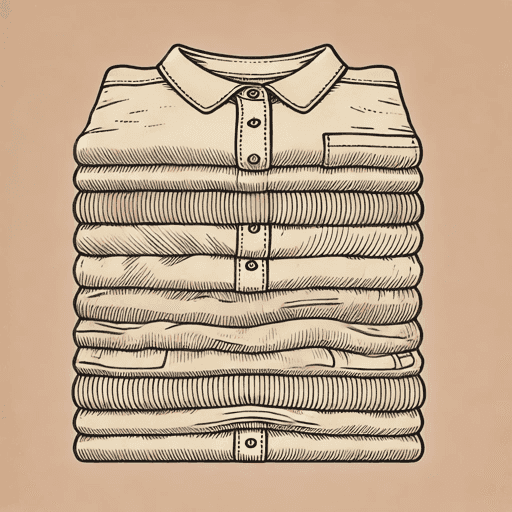
Kondō observes that clients often feel guilty when contemplating disposing of clothing that is still wearable. The author instructs readers who experience similar feelings to consider why they originally bought the item and why it no longer sparks joy. For example, an outfit may have looked perfect in the shop but turned out to be unflattering. In such cases, the item’s purpose was to teach the buyer what does and does not suit them. Furthermore, Kondō asserts that once belongings have served their purpose, they will be glad to be released. The author recommends thanking items for their loyal service before discarding them. By reframing possessions as teachers who have already served their purpose, Kondō alleviates the shame of individuals who struggle with sunk-cost fallacy or guilt-driven hoarding. Anthropomorphizing possessions and communicating with them may seem whimsical to some readers. However, thanking one’s items for their service can potentially provide valuable emotional closure.
Chapter Lessons
- The first step in tidying up is to envision one’s tidy home in detail, reflecting on how this environment will promote one’s ideal lifestyle.
- Discarding should be a process of clarifying what is truly worth keeping, not eliminating as much as possible.
- The “spark joy” method involves handling each item and letting one’s intuition guide the decision to keep or discard it.
- Individuals can build decision-making skills by discarding in the following order: clothing, books, papers, miscellaneous, and, lastly, sentimental items.
Reflection Questions
- Do you currently focus on which possessions to discard rather than which to keep? How does that focus affect your relationship with your belongings?
- How comfortable are you with relying on intuitive methods, such as the “spark joy” test, when making decisions about your possessions?

Unlock all 34 pages of this Study Guide
Get in-depth, chapter-by-chapter summaries and analysis from our literary experts.
- Grasp challenging concepts with clear, comprehensive explanations
- Revisit key plot points and ideas without rereading the book
- Share impressive insights in classes and book clubs