41 pages • 1-hour read
The Moffats
A modern alternative to SparkNotes and CliffsNotes, SuperSummary offers high-quality Study Guides with detailed chapter summaries and analysis of major themes, characters, and more.
Chapters 1-3Chapter Summaries & Analyses
Chapter 1 Summary: “The Yellow House on New Dollar Street”
Jane Moffat admires her mother’s cooking skills as she peels apples in the kitchen. Her older sister, Sylvie, is busy rehearsing for her part in a play, so Jane takes her doll, Hildegarde, outside and looks for her brothers, Rufus and Joey. Jane thinks about how much she loves living in the yellow house, the only house that has a view to both ends of their curved street. As Jane looks at her home through her legs, enjoying the upside-down version, she’s interrupted by Mr. Baxter, a local man who does odd jobs for people.
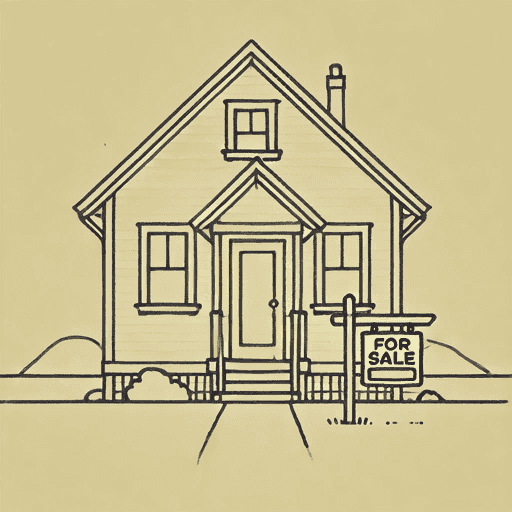
Jane is horrified when Mr. Baxter nails a “For Sale” sign to her home. Joey and Rufus cycle up to the house and join Mrs. Moffat and Jane in the front yard. Mr. Baxter confirms that the homeowner, Dr. Witty, wants to sell the house, which the Moffats have rented for years. Mrs. Moffat quickly leaves to talk to Dr. Witty, while Jane sits and stares at the sign in disbelief. She worries about the house but reminds herself that times are hard and hopes that no one will buy it. When Mrs. Moffat returns, she confirms that Dr. Witty is selling the house and laments that she can’t buy it herself. While she tells the kids to ignore the sign for now, it bothers them every time they see it.
Chapter 2 Summary: “Jane and the Chief of Police”
Jane admires Chief Mulligan’s house, at the far end of New Dollar Street, since it always looks so neat. However, she’s afraid of Chief Mulligan and worries that he’ll dislike her and arrest her for some petty crime, like loitering or riding her bike on the sidewalk. One day, Jane is playing on her brother’s stilts and spitting out sunflower seeds when she sees a strange gentleman in a derby hat walking up New Dollar Street. As Jane turns to look at him, she purposefully stands in front of the “For Sale” sign, blocking it from view. The man politely says hello and continues down the street. Fascinated, Jane follows close behind, mimicking his movements.
The neighborhood bully, Peter Frost, rides up on his bicycle and scolds Jane, telling her that she could be arrested for mocking the man, who is the new superintendent of schools. Now scared and sad, Jane retreats and hides under a lilac bush, worrying about being sent to jail. Her brother Joey interrupts her, giving her a quarter from their mom to go buy sugar at the store. Jane enjoys her trip to the store but is terrified when she sees Police Chief Mulligan walking up the street. In a panic, she hides in the store owner’s large bread box (outside the store), where the baker delivers the bread each morning.
Jane waits and waits, until she finally feels it’s safe to come out, but Mrs. Shoemaker comes along to chat with the store owner and sits on the bread box, trapping Jane. Jane falls asleep and has a nightmare about being chased by Chief Mulligan. Soon, a neighbor comes looking for Jane, who has been missing for several hours. When the neighbor, the store owner, and Chief Mulligan look in the bread box, they’re shocked to find Jane there. Embarrassed, Jane admits that she was hiding from the police chief, who laughs hysterically at her story. He assures her that he’s there to protect her, and she’s no longer afraid of him but is still very respectful around his lawn and house.
Chapter 3 Summary: “The First Day of School”
The yellow house is a busy place on the first day of the school year, and today is Rufus’s first day of school. Jane walks Rufus to school and promises Mama to show him to his room and teacher. As they pass the bakery, they see their neighbor Hughie Pudge having a tantrum, refusing to go to school, while his brother Chester tries to reassure him. Jane and Rufus join in, but no one can convince Hughie, who turns and runs back toward home. As the children try to grab him, Mr. Pennypepper, the new school superintendent, comes along and asks what’s wrong. When the children explain, Mr. Pennypepper takes Rufus and Hughie’s hands and begins to walk them to school himself. Chester and Jane hold onto their brother’s hands and follow Mr. Pennypepper. When they arrive at school, Mr. Pennypepper tasks Rufus with keeping Hughie in school and leaves.
Rufus is nervous but excited to enter his classroom and have a desk and books of his own. As the teacher talks, Rufus notices Hughie sneak out of the classroom. As the bell rings for recess, Rufus watches out the window and sees Hughie climb into a freight car in the neighboring railyard. Feeling responsible for him, Rufus decides to go after him. Rufus climbs into the freight car and tells Hughie to come back to school, but Hughie refuses. As they argue, the train begins to move, and the boys realize that it’s leaving the station.
Rufus panics but doesn’t know what to do. He’s amazed by the train ride, which takes them out of town and over the river trestle. The train stops, and the boys climb off. Rufus tells his address, which he has memorized, to the conductor, who helps them get on the next train going back to Cranbury. Rufus and Hughie are relieved when the fireman and engineer lift them off the train in their hometown. Realizing that to become a train engineer, he must go to school, Hughie agrees to return to class. When they return, the teacher dismisses them to go home for lunch.
Chapters 1-3 Analysis
These chapters establish the setting by describing the small town of Cranbury and, in particular, the Moffat family’s street, New Dollar Street. By describing the town’s more old-fashioned features, like hitching posts for horses, trolleys, and trains, the author paints a picture of a quaint American town in the early 20th century. Jane’s reflections on her home, which she simply calls the “yellow house,” reveal her deep affection for it:
Jane [clanks] her feet against the hollow hitching post. For the hundredth time, she [is] thinking that the yellow house [is] the best house to be living in in the whole block because it [is] the only house from which you [can] see all the way to both corners (3).
This house is the only home Jane remembers, since she moved into it when she was three, so the prospect of moving upsets her. Her habit of confiding in her doll, Hildegarde, reveals her inner thoughts, including her sadness and worry about moving. She tells her doll, “Maybe no one will have the money to buy the house […] You must remember these are hard times” (13).
The passages about Dr. Witty selling the yellow house introduce The Impact of Financial Insecurity on Family Life as a theme. By focusing on the family’s worry about being displaced, the author shows how Mrs. Moffat and the children deal with more instability because they can’t afford to buy a house. Being a widow, Mrs. Moffat must provide for her four children on her own, and even as a respected dressmaker, she can only afford to rent, not buy (13). Their precarious financial situation worries Mama, who sadly tells the children, “My, I wish we could buy it […] But we just can’t, so that’s that” (14-15). With the possible sale of the yellow house now looming over the family, they must carry on as best they can despite this uncertainty.
These passages illustrate the Moffat family’s strong support for each other, establishing The Importance of Familial Relationships as a theme. Jane’s search for a sibling to play with shows how much she enjoys their company: “She looked up New Dollar Street and down New Dollar Street for a sign of Joey or Rufus. But neither was in sight” (2).
On Rufus’s first day of school, his big sister Jane takes care of him and escorts him to his classroom: “Jane was going to take him this first day. She was going to show him where Room One was and introduce him to his first-grade teacher, Miss Andrews” (38). Jane’s patient care of her brother shows that she’s a kind and reliable sister, much like Mama is a loving parent to the Moffat children.
Jane is extremely close to her mother and admires how competent she is at so many jobs. For instance, the narrator describes Mama as the “finest dressmaker in the town of Cranbury” (14), reflecting Jane’s opinion on her mother’s skill. Jane even admires how her mother elegantly peels apples: “The way Mama could peel apples! A few turns of the knife and there the apple was, all skinned! Jane could not take her eyes from her mother’s hands. They had a way of doing things, peeling apples, sprinkling salt, counting pennies, that fascinated her” (1). Jane’s admiration for her mother and maternal attitude toward Rufus show the strong bonds between the Moffats.
As the children experience different misadventures, they learn valuable lessons that help them mature. Through these stories, the theme of Learning Through Everyday Childhood Adventures emerges. Jane’s fearful attitude toward the local police officer, Chief Mulligan, escalates into her humorous misadventure of trying to avoid punishment for imitating Mr. Pennypepper. The author describes her anxiety: “What would her punishment be, she wondered. Jail, obviously […] Jane thought and thought, but every thought led to jail” (24). Her beliefs about crime and justice show her naivety, and her experience of running from the law quickly teaches her that she isn’t a criminal and that Chief Mulligan is a kind neighbor. Chief Mulligan walks her home, solidifying their new friendship: “At the yellow house, he shook hands with her. ‘If I can ever be of any service, call on Chief Mulligan of the police force,’ he said” (36). This happy conclusion shows how Jane’s misadventure at least helps her gain a more mature perspective about the police chief, since she now knows to view him as a friendly neighbor rather than someone to fear.

Unlock all 41 pages of this Study Guide
Get in-depth, chapter-by-chapter summaries and analysis from our literary experts.
- Grasp challenging concepts with clear, comprehensive explanations
- Revisit key plot points and ideas without rereading the book
- Share impressive insights in classes and book clubs