41 pages • 1-hour read
The Moffats
A modern alternative to SparkNotes and CliffsNotes, SuperSummary offers high-quality Study Guides with detailed chapter summaries and analysis of major themes, characters, and more.
Chapters 10-12Chapter Summaries & Analyses
Chapter 10 Summary: “Mud and Murdocks”
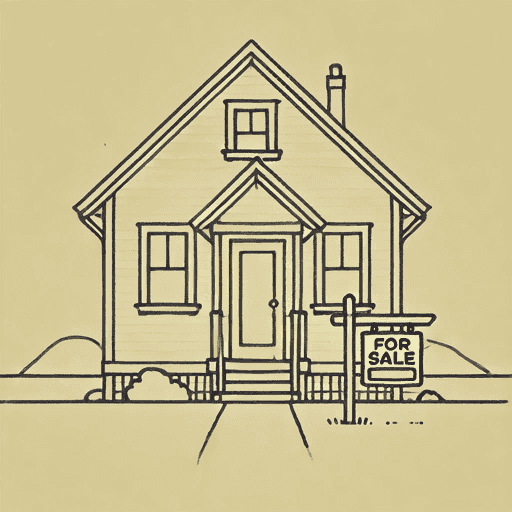
One day, Jane’s frustration with the “For Sale” sign on the yellow house boils over, and she angrily throws mud all over it. Mama scolds her and makes her wash it off, leaving the sign clean and noticeable. The local Murdock family comes walking down the street, and they notice the sign when they see Jane scrubbing it. Over the following weeks, the Murdocks continue to stop by and pester the Moffats, asking to see the house and deliberating whether to buy it. Mama and the Moffat children are annoyed by the constant unwanted visits from the Murdocks and ask the house’s owner, Dr. Witty, to stop them.
The most annoying Murdock is the youngest daughter, Letitia, whom Jane knows from dance class. Letitia rings the bell constantly, and when it goes unanswered, she simply crawls in the window and walks around the yellow house. One day, Jane is hiding from Letitia in the lilac bush when the youngest Murdock child finds her. Jane decides to play a trick on her, telling her that she knows how to hypnotize people. She “hypnotizes” Rufus, who becomes a dog and starts biting Letitia’s socks. The prank works as intended, and Letitia quickly runs home in terror.
Chapter 11 Summary: “The New Second Avenue Trolley Line”
Joe, Jane, and Rufus are delighted that it’s the summer holiday and they each have five cents to spend on their day trip to Sandy Beach. They board the new Second Avenue trolley line toward the beach. The children are amazed when the trolley driver argues with another trolley driver who is going the opposite way, and the two engage in a game of chicken before stopping their trolleys. The kids watch as the drivers have a big showdown, calling each other “sardine” and “whippersnapper,” before one of them relents and lets the other trolley pass. While the kids have a great day at the beach, they reflect that the highlight of their day was the funny argument between the trolley drivers.
Chapter 12 Summary: “The Last Chapter in the Yellow House”
The Murdocks finally buy the yellow house from Dr. Witty, and the Moffat family prepares to leave. This is hardest on Jane and Rufus, who don’t remember living anywhere else. Everyone feels sad and strange, recalling all the good times they had together in the yellow house. Jane walks a few blocks away to her new home by herself. She pretends to come home from school to see how it feels and begins to cry because she misses the yellow house so much.
As she sits on the fence in the new backyard, Jane is surprised by a voice from a tree next door. It’s her new neighbor, Nancy Stokes, a girl Jane’s age. Nancy welcomes Jane and suggests that maybe they could be best friends. Nancy and Jane chat about their families until Nancy leaves for her music lesson. Jane is excited about the prospect of having a best friend for the first time. Jane walks back to the yellow house and watches the movers pack the van. Finally, the family is ready to leave, and the children sit in the back of the van and wave goodbye to their old house. While they hold back tears, they also feel excited about their new beginning.
Chapters 10-12 Analysis
The final chapters touch on the theme of Learning Through Everyday Childhood Adventures as Jane learns some life lessons from her everyday decisions. In throwing mud all over the “For Sale” sign, Jane expresses her rage toward her family’s unstable situation in the yellow house: “By the time she [has] finished, you [can’t] tell whether that sign [says] Measles, For Sale, or what! [It’s] a mass of mud stains” (172). However, Jane’s satisfaction with her handiwork is short-lived, as she then must clean it all up. When her outburst backfires and makes the sign more noticeable (because she must clean it), she learns that letting her emotions get the best of her doesn’t make the situation any better: “Jane [feels] somewhat to blame for the Murdocks. They might never have noticed the For Sale sign on the yellow house in the first place if it hadn’t been for her” (171). This humorous yet unfortunate occurrence shows that Jane is still learning to predict the consequences of her behavior and make rational choices.
When moving day arrives, Jane learns a more positive lesson when she decides to venture to the family’s new rental home on her own. She’s drawn out of her sadness and homesickness by her new neighbor, Nancy, a friendly girl who begins to chat with her and suggests that they could become good friends. Nancy’s kindness greatly surprises Jane, who was wallowing in her upset about leaving the yellow house: “And she, Jane, was going to be her best friend! An incredible feeling of happiness gushed up in her. She wished she could think of something to say” (207). Jane is amazed by her good luck at moving next door to such a nice girl and is excited at the prospect of having a best friend of her own: “The girl [goes] into the big house whose yard [backs] up to her yard. Jane [is] still tingling inside. Best friends!” (207). Through meeting Nancy and realizing that her new home will help her have positive new experiences, Jane learns that even difficult transitions can have a silver lining.
In these chapters, The Impact of Financial Insecurity on Family Life concludes by discussing the children’s excitement at having five cents of their own to spend—and their reluctance to spend it on a trolley ticket. This scene shows that the small allowance is a great novelty for the Moffat children:
Five cents apiece! They [are] of two minds as to what to do with it. They might spend it on an ice-cream cone or […] take the new Second Avenue trolley to Sandy Beach. Joe [is] all in favor of an ice-cream cone. Jane, too. But Rufus [has] never been on the new Second Avenue trolley line. He [prefers] spending his five cents that way (186).
This passage reinforces the family’s financial difficulties while portraying the children as grateful and excited about this special treat. The novel again alludes to the theme of finances in the scene in which the Moffat children feel shock and sadness when the yellow house finally sells to the overbearing Murdock family. Their worries about moving highlight the difficulties that families experience when coping with limited financial resources. While Mama chides them that they had “known it was bound to happen all year long,” the children still feel “stunned” by the news (198). They try to stay positive; “otherwise they might have cried” (199).
This transition connects to The Importance of Familial Relationships as a theme. Now facing their move into a new home, the Moffats depend on each other, showing the strength of their bonds and their attachment to one another. The author’s final illustration depicts the family’s togetherness and solidarity for the final time. In the picture, Jane, Sylvie, Joe, and Rufus sit with their legs hanging out of the back of the moving van, all their belongings piled up behind them. Sitting side-by-side and waving goodbye to their home, the children share a bittersweet experience, silently supporting each other as they hold back their tears: “‘Goodbye, goodbye,’ they sang. Again there [are] lumps in their throats, but they [don’t] cry. [They’re] sad, but […] excited, too […] Good-bye, yellow house! Good-bye!” (212). The book’s final image of the children sitting in the van with their arms around each other leaves the impression that despite their challenges, the Moffat family remains as strong as ever.

Unlock all 41 pages of this Study Guide
Get in-depth, chapter-by-chapter summaries and analysis from our literary experts.
- Grasp challenging concepts with clear, comprehensive explanations
- Revisit key plot points and ideas without rereading the book
- Share impressive insights in classes and book clubs