41 pages • 1-hour read
The Moffats
A modern alternative to SparkNotes and CliffsNotes, SuperSummary offers high-quality Study Guides with detailed chapter summaries and analysis of major themes, characters, and more.
Symbols & Motifs
The “For Sale” Sign
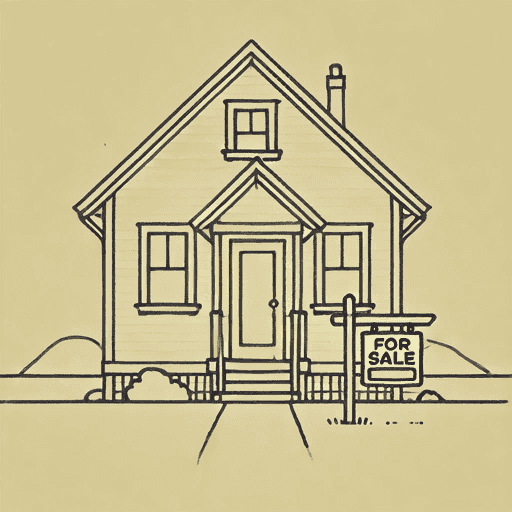
Throughout the novel, the “For Sale” sign on the yellow house represents the family’s financial insecurity. As a widow, Mrs. Moffat is the sole provider for her and her children and can’t afford to buy a home. This leads them to rent the yellow house from Dr. Witty, and while they love the home, their position as renters puts them in a precarious position when Dr. Witty decides to sell the house.
The children’s reactions to the “For Sale” sign capture their inner feelings about their family’s predicament. By highlighting the anger and resentment they feel toward the sign, the author conveys how the family’s financial situation negatively affects them, thematically linking to The Impact of Financial Insecurity on Family Life. For instance, Jane hates the sign so much she wants to take it down, as it’s a reminder of how their lives could change at any moment. She and her siblings try to follow their mother’s advice and go about their daily lives without thinking about the sign and the sale: “So Janey and Rufus and all the other Moffats set about forgetting the sign on the yellow house. At first [it’s] hard though, because every time they [come] in and every time they [go] out, there it [is]: FOR SALE INQUIRE OF DR. WITTY 101 ELM STREET” (15).
Over the many months the sign is on the house, Jane’s negative feelings linger: She “just [hates] the sight of that old weather-beaten sign—For Sale!” (171). Eventually, Jane can’t hold in her anger and has a dramatic outburst: “Janey [feels] she simply [cannot] abide the sight of that For Sale sign anymore, and in a burst of temper [picks] up great chunks of mud and [throws] them with splendid aim right at it” (172). By repeatedly referring to the “For Sale” sign and the effect it has on the family, the author weaves its symbolism into the bigger picture of their move out of the yellow house.
The Wagon
The Salvation Army captain’s wagon is a motif that connects to the theme of Learning Through Everyday Childhood Adventures. When Joe decides to drive the wagon for longer than the captain asked him to, his overconfidence results in unpleasant consequences for the captain. Assuming that he can work out directions on his own, Joe steers the wagon down bumpy back roads, accidentally sending the captain flying out the back of the wagon. As Joe deals with the bad roads and an unexpected storm, he suddenly realizes that he hasn’t made any progress in their journey: “‘To think we just went around in a circle!’ [marvels] Jane. ‘Yes. The Green is only five minutes away. I shoulda known better, too,’ [says] Joe, rather ashamed. ‘All the time I been biking up there with Chet Pudge’” (75).
Upon encountering the Captain again, Joe acknowledges his mistake and apologizes for spilling him out of his wagon and leaving him in the road: “‘Oh oh…I’m sorry,’ [says] Joe apologetically” (81). Joe’s comical misadventure with the wagon humbles him, and he realizes that he should have listened to his elders rather than try to take charge on his own.
The Ghost
The ghost in the attic is a motif that thematically supports The Importance of Familial Relationships. Only by working together as a family can Sylvie, Joe, Jane, and Rufus build the creepy ghost and set it up in their attic. The ghost project reinforces the children’s solidarity as they discuss their grievances against cruel bully Peter Frost. The illustration of Joe carving the ghost’s “head” from a pumpkin highlights their shared feelings. In the picture, Joe uses his knife to carve the pumpkin’s mouth while Rufus and Jane sit nearby talking. Over their heads, thought bubbles show the many times Peter Frost has bullied them: scaring Rufus off the hitching post, putting sand in Jane’s mouth, pulling Sylvie’s curls, and telling Jane she would be arrested. This image shows how the ghost project brings the kids together and deepens their strong relationships by giving them a shared goal that’s important to each of them.
The Moffat children never fight, and they all contribute by completing different tasks to get their ghost ready for their clever prank. Joe carves the head, Jane and Rufus fill it with teeth, and Sylvie moves the large bust up to the attic. After the prank, the children happily agree that their teamwork paid off and “the ghost [has] been a success” (102). By describing how the Moffat children collaborate as a team so well on this unique project, the story shows how they support each other, establishing their familial relationships as an important and positive part of their lives.

Unlock the meaning behind every key symbol & motif
See how recurring imagery, objects, and ideas shape the narrative.
- Explore how the author builds meaning through symbolism
- Understand what symbols & motifs represent in the text
- Connect recurring ideas to themes, characters, and events