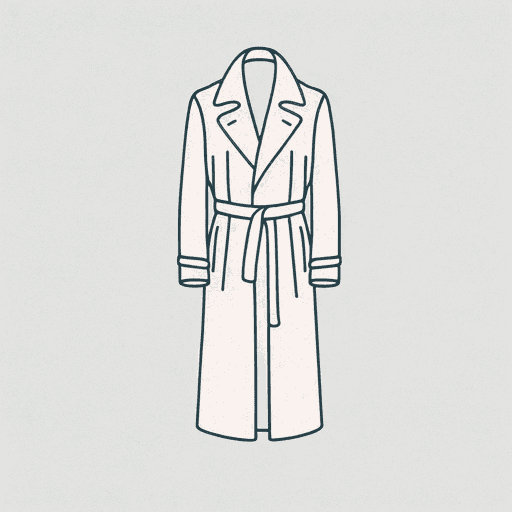
The Overcoat
29 pages • 58-minute read
Nikolai GogolThe Overcoat
A modern alternative to SparkNotes and CliffsNotes, SuperSummary offers high-quality Study Guides with detailed chapter summaries and analysis of major themes, characters, and more.
Literary Devices
Satire
Satire uses irony or exaggeration to expose or critique popular ideas, institutions, and practices. “The Overcoat” satirizes the rigidity and self-importance of bureaucracy and public officials, as well as the culture of materialism in early-capitalist Russia. Akaky Akakievich’s demise is deeply ironic. He dies from exposure to the weather just as he begins to experience a fuller version of his life after receiving a new overcoat. This turn of events shows the smallness of his experience and lampoons what he chooses to see as important. And yet the broader satire is directed at the Department and the Person of Consequence: By exaggerating the conformity and cruelty of bureaucracy and careerism, “The Overcoat” addresses social and political themes beyond the life of Akaky Akakievich.
Skaz
A skaz is a traditional Russian form of storytelling. It is a written narrative that imitates an oral account in its use of dialect and slang. A skaz is different from a formal short story in that it is typically written in the voice of a spontaneous narrative and its subject matter is often folklore or a fairy tale. Although the narrator of “The Overcoat” uses careful diction and polished syntax, the story employs many elements of a skaz. It begins with the sentence, “In the department of…but I had better not mention which department” (304), imitating a spontaneous oral recitation in which the speaker must retract the very first words. These elements of a skaz would have been familiar to Gogol’s audience, making it difficult to convey the story’s meaning in other languages. Some of its folksy humor and grotesque imagery make sense when understood as elements of oral fable.
Foreshadowing
Foreshadowing is a literary device in which a word or incident points to a later plot development. Akaky Akakievich’s death from cold is foreshadowed in the beginning by his colleagues who “scatter bits of paper on his head, calling them snow” (306). Even the ending of “The Overcoat” could be seen as foreshadowed. Akaky Akakievich was meant to pass out of existence without leaving an impact, as he does not even have his own name, just his father’s. When his corpse steals the Person of Consequence’s coat, it might seem that he has defied his fate and left his mark on the world after all. In a final twist, however, the narrator turns in the last paragraph to another, taller, more dynamic corpse. Even as a supernatural being, Akaky Akakievich cannot retain an observer’s interest.
Humor
Humor in “The Overcoat” counterbalances the more despairing elements. What happens to Akaky Akakievich could read as a sad morality story about the injustice of capitalism, the inhumanity of bureaucracy, and the cruelty of individuals—if it were not so funny. Details like a baby Akakievich crying, as if predicting his future as a titular councilor, and Petrovich’s kitchen being “so filled with smoke that you could not even see the cockroaches” (311) introduce wit and sarcasm into a story with an otherwise drab, melancholy mood.
However, humor is a double-edged sword. Many of Akakievich’s coworkers tease and torment him with jokes that the reader may also find funny. For instance, they say that “all [Akakievich] gained in service […] was a button in his buttonhole and hemorrhoids where he sat” (307). At times, it is difficult to tell if the narrator agrees with the “wits” in the office, or if he takes a more sympathetic view of Akaky Akakievich. Humor lightens the mood and adds nuance and texture, and yet it also makes the reader complicit in the needless cruelties that lead to Akaky Akakievich’s death.

Unlock all 29 pages of this Study Guide
Get in-depth, chapter-by-chapter summaries and analysis from our literary experts.
- Grasp challenging concepts with clear, comprehensive explanations
- Revisit key plot points and ideas without rereading the book
- Share impressive insights in classes and book clubs