The Overcoat
The Overcoat
A modern alternative to SparkNotes and CliffsNotes, SuperSummary offers high-quality Study Guides with detailed chapter summaries and analysis of major themes, characters, and more.
Symbols & Motifs
The Overcoat
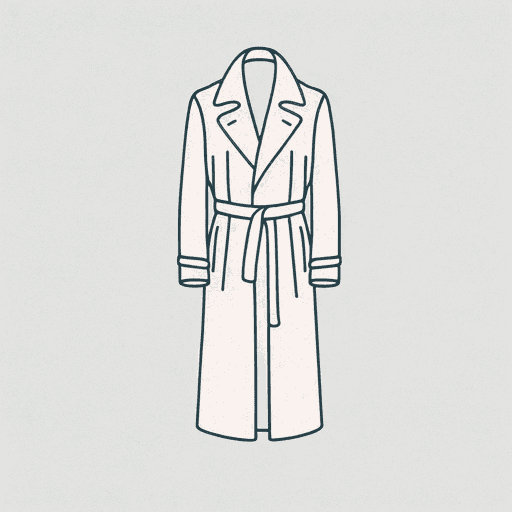
The overcoat is the central symbol of the story. It represents both the banal and the fantastic. It is a useful, necessary piece of clothing, meant to protect against the harshness of the elements. It is also a thing of beauty when well made. Having the protagonist obsess over something as mundane as a coat highlights the story’s Critique of Bureaucracy. Akaky Akakievich cannot imagine anything more wonderful than a new coat, and his mind is soon absorbed by its details in part because they stand in such contrast to the drab routine of the Department. The narrator says, “Why not really have marten on the collar? Meditation on this subject always made him absent-minded” (317). Acquiring the coat is the “most triumphant and festive day in his life” (319), a seemingly ridiculous response to something as functional as an overcoat.
However, because a coat is such a necessary garment in a St. Petersburg winter, it is impossible to fault Akaky Akakievich entirely. He needs the new coat, as going without it into the cold eventually costs him his life. The overcoat thus also represents the compassion that Akaky Akakievich never receives or quickly loses. He dies not so much from the cold weather as from the coldness of his colleagues and the Person of Consequence, which makes him vulnerable to the weather and illness. The reader may laugh at Akaky Akakievich’s fixation on the overcoat, but it is understandable in his physical and psychological environment.
Women and Sexuality
Women and sexuality in “The Overcoat” symbolize openness to life and a fullness of experience that is missing in bureaucracy. Akaky Akakievich is described as mostly sexless until his “marriage” to the overcoat (316). The narrator states, “To say that he was zealous in his work was not enough, no, he loved his work” (307), to the point where he does not look where he is going in the street, notice when garbage is thrown at or on him, or want to do anything else in the evenings but continue to copy. For instance, “he gave no thought at all to his clothes [and] he never in his life noticed what was going on or what was being done in the street […] whatever Akaky Akakievich looked at he saw nothing but his clear, evenly written lines” (308). However, once he contemplates getting a new coat his world changes. In his thinking about his new coat, Akaky Akakievich finds a partner of sorts to go throughout the day with. Once he has the coat, he begins noticing pictures of pretty women in shops. The narrator says that “he was even on the point of running, goodness knows why, after a lady of some sort who passed like lightning with every part of her frame in violent motion” (322). Such behavior is the very opposite of Akaky Akakievich and his balding, silent stagnation before his obsession with the coat. Women in “The Overcoat” represent the possibility of leading a more fulfilled and colorful life, whether they be Petrovich’s shrew-like wife or the Person of Consequence’s German mistress.
Snow
Snow in “The Overcoat” is the main plot device as well as a symbol. As part of the plot, the snowy weather is both what requires Akaky Akakievich to commission a new overcoat, setting the story in motion, and what brings about his demise from catching a chill.
As a symbol, snow reoccurs throughout to oppress Akaky Akakievich. His colleagues “jeered and made jokes at him to the best of their wit […] they would say of his landlady, an old woman of seventy, that she beat him, would ask when the wedding was to take place, and would scatter bits of paper on his head, calling them snow” (306). Snow not only requires him to spend money on a new coat, but it also gets the best of him in the end.
Snow is also tied to the supernatural. Akaky Akakievich comes back as a corpse determined to steal the coats of those still living. When the Person of Consequence finally faces the corpse, it is described as “white as snow” (332). Snow is both an organic part of the St. Petersburg experience and a device that pushes the plot forward and allows its supernatural elements to arise.

Unlock the meaning behind every key symbol & motif
See how recurring imagery, objects, and ideas shape the narrative.
- Explore how the author builds meaning through symbolism
- Understand what symbols & motifs represent in the text
- Connect recurring ideas to themes, characters, and events