55 pages • 1-hour read
The Road to Tender Hearts
A modern alternative to SparkNotes and CliffsNotes, SuperSummary offers high-quality Study Guides with detailed chapter summaries and analysis of major themes, characters, and more.
Character Analysis
Content Warning: The source material and guide feature depictions of mental illness, child abuse, child death, death by suicide, substance use, illness, and death.
PJ Halliday
PJ is the protagonist and unlikely hero of the novel. The text describes PJ as follows: “People might have considered PJ the luckiest man in Pondville, if everyone didn’t know how much he’d already lost” (15). PJ’s life unraveled after the death of his daughter, Kate. The tragedy destroyed his marriage to Ivy and triggered his alcohol addiction. PJ’s relationship with his ex-wife is unconventional. Even after their marriage falls apart following Kate’s death, Ivy and her new partner, Fred, remain his closest friends. Fred treats PJ almost like a brother, offering practical support and stability, while Ivy shields PJ from bad news. Their closeness, however, also prevents PJ from fully confronting his dependence. Their friendship is, at times, unhealthy. Ivy’s care for PJ crosses into codependency; her need to keep him afloat comes at the expense of letting him face the full weight of his mistakes, creating a dynamic that is generous but enabling. PJ clings to them because they’re the only people who truly understand what he’s lost.
When PJ learns that Michelle Cobb is now widowed, he latches onto the news as a kind of lifeline—a chance, however unrealistic, to start over. In his mind, Michelle represents everything he’s lost and everything he still hopes might save him: youth, love, purpose, and the possibility of redemption. Rather than seeing her as a person with her own life and grief, he turns her into a symbol of the clean slate he desperately wants. This fantasy gives him direction, but he remains in denial, chasing the version of himself he was before everything fell apart. His fixation reveals his struggles with grief and self-forgiveness. The idea of rekindling something with Michelle lets him believe that love could erase the past and that if he could win her back, he could rewrite his story. The journey ultimately exposes the hollowness of his fantasy and the real work he needs to do to fix his life.
PJ’s character arc is focused on his pursuit of Redemption Through Responsibility. When the road trip begins, PJ tries to stay sober, improve his relationship with Sophie, and care for Ollie and Luna. Though he repeatedly fails—drinking, fleeing pain, or chasing romantic dreams—he keeps trying. Beneath his impulsiveness is a wish to do right, to be a man his daughter can be proud of. His redemption comes from accepting responsibility. After years of numbing his pain and guilt with alcohol, he realizes healing begins with admitting where he’s failed. The trip reveals who he has been and who he can become. He takes on the role of caretaker because no one else can, pushing him to grow. He becomes a hero by staying sober, listening attentively, apologizing when necessary, and keeping his promises. These choices help rebuild trust and show that love is earned through care. Responsibility gives meaning to his past. By being there for others, he learns to live with himself.
Sophie
Sophie is PJ’s youngest daughter and an important, dynamic secondary character. Since her parents’ divorce, she’s taken on the exhausting role of being her father’s caregiver. Though still young, she’s had to grow up fast. Processing the loss of a sibling, dealing with her parents’ divorce, worrying about PJ’s sobriety, and stepping in whenever he falls apart. She cares deeply for him, but she’s also angry at how much responsibility she’s had to shoulder because of his drinking and complicated grief. Sophie and Ivy’s instinct to protect PJ comes from the same place as their pain, as they’re terrified of losing him the way they lost Kate. Yet that same fear keeps them trapped in a cycle of caretaking, unable to fully live their own lives.
While Sophie dedicates much of her energy to caring for her father, she silently bears her own burdens. Beneath her calm exterior, she’s grieving the recent loss of her job, battling depression, and secretly knowing that her mother, Ivy, is dying. These private struggles deepen her weariness. She’s spent years trying to keep her family together, but the weight of everyone else’s needs has left little room for her own pain. Sophie’s silence about her mother’s illness shows how much she’s internalized the role of caretaker. She keeps the news to herself to protect PJ from further heartbreak, even though it isolates her even more. Her depression and self-doubt aren’t just from grief but also from exhaustion from being the “strong one” for so long.
During the road trip, Sophie begins to see the unhealthy nature of her relationship with PJ. She’s not just his daughter but also his conscience, and sometimes even feels like a parent. Caring for Ollie and Luna offers Sophie a new view of both the responsibility and the joy of looking after someone else. As she takes on a parental role, she starts to understand the immense pressure her father has faced and how exhausting, complicated, and relentless caring for children can be while dealing with grief. This leads to a painful realization that she never really got to be a child herself. While she guides Ollie and Luna through their own trauma, Sophie recognizes the kind of love and stability she craved as a child. She sees in them the innocence and vulnerability she lost too early when she had to manage her family’s chaos. This duality of feeling, both empathy for her father and grief for her own stolen childhood, softens her anger towards PJ while deepening her understanding of the kind of care kids need. Caring for the kids teaches her that love isn’t about control or perfection and helps her reclaim a part of herself that still deserves gentleness, safety, and the chance to start again.
Luna
Luna is PJ’s grandniece. A dynamic secondary character, she has developed a tough outer shell of self-protection through years of trauma and neglect. When she shoplifts, Luna feels like an “outlaw” and an “orphaned child; no one cared what she did” (129). She feels untouchable, rebellious, and outside the bounds of societal expectations, which serves as a coping mechanism and a shield against further rejection. Luna’s behavior highlights the protective strategies she has developed in response to the instability of her upbringing. She embraces the idea that the world has already decided she is unwanted, and in doing so, she takes control over her own story, which manifests as a quest to find her biological father.
Luna forms a particularly close bond with Sophie through an unspoken understanding of what it means to carry grief and trauma as young women. Both have experienced profound loss. Instead of expressing their pain in ways society deems acceptable, both act out, testing boundaries and making choices that reveal their inner turmoil. This shared experience enables them to empathize with one another without needing words, as their connection is founded on the recognition of each other’s hidden struggles. Through this bond, Luna begins to see that she is not alone in her feelings, and Sophie gains a glimpse into her own suppressed anger and grief. Their relationship becomes a safe space for both characters to process the complexities of trauma, demonstrating how shared understanding can be healing even in the absence of traditional support systems.
Luna’s quest to find Mark Stackpole and prove his paternity reflects both her longing for family and the influence of her trauma. Believing that Mark could be her father allows Luna to imagine a life where she is wanted, protected, and part of a family, a stark contrast to the instability and neglect that have defined her childhood. This fantasy drives her decisions and fuels her stubborn determination, even as it sets her up for inevitable disappointment. Much like PJ’s quest to reunite with Michelle, Luna tries to reclaim control over the uncontrollable elements of her past, which reveals how trauma can distort desires and create imagined solutions to problems that cannot be easily solved. When Mark rejects her and the fantasy collapses, Luna begins to understand that belonging and love can exist outside of idealized or imagined relationships through the imperfect but genuine found family she forms with PJ, Sophie, and Ollie.
Ollie
Ollie and Luna are “Irish twins,” meaning that they were born less than 12 months apart. Though they are only half-siblings, their relationship is forged through shared trauma, and their loyalty runs deep. From the start of the novel, Ollie carries a heavy burden: the secret that his sister was sexually abused by their grandfather. This knowledge weighs on him, fostering his protective instincts toward Luna. He acts as a guardian, determined to tell the school nurse her secret in hopes that it will help ease her pain. When Mark rejects Luna as his daughter, the text describes Ollie’s reaction, “Luna didn’t need him, or his terrible wife and stupid kids, not when she had Sophie, whom she could really count on, and Ollie, who was still her brother and her best friend […]” (351). Their connection highlights the ways trauma can simultaneously isolate and unite siblings in creating a profound sense of responsibility and interdependence. Despite the darkness of their shared past, Ollie and Luna find strength in one another, relying on their connection as a source of stability, trust, and resilience in a world that has repeatedly let them down.
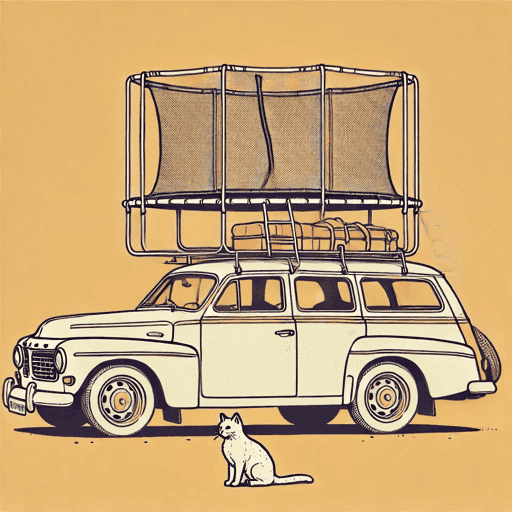
While Ollie is young enough to enjoy material comforts like a trampoline or an iPad, he also has a perceptiveness that sees beyond superficial gestures. He can sense when PJ’s actions are distractions or apologies for past failures, not genuine care. This insight shows his emotional intelligence and need for stable guidance. As the youngest and most vulnerable, Ollie strengthens PJ’s motivation to confront his failures, as seen when he handcuffs PJ to the bed so he won’t leave for the bar. Unlike Sophie, who manages her father’s shortcomings, Ollie can’t handle responsibility or escape PJ’s consequences. His innocence reminds PJ of how his choices affect those who depend on him. Caring for Ollie challenges and motivates PJ to be accountable, stay sober, and become the father Ollie and Luna need.

Unlock analysis of every major character
Get a detailed breakdown of each character’s role, motivations, and development.
- Explore in-depth profiles for every important character
- Trace character arcs, turning points, and relationships
- Connect characters to key themes and plot points