61 pages • 2-hour read
The Romance of the Forest
A modern alternative to SparkNotes and CliffsNotes, SuperSummary offers high-quality Study Guides with detailed chapter summaries and analysis of major themes, characters, and more.
Literary Devices
Epigraph
Content Warning: This section of the guide includes discussion of death.
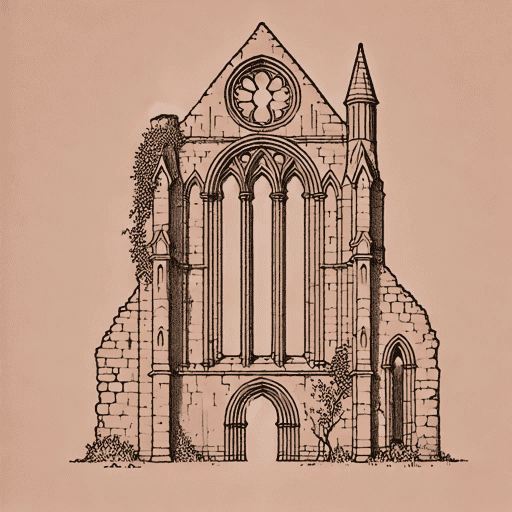
An epigraph can refer to an inscription on a building or monument or, in this case, a quote that appears at the beginning of a literary composition, which typically sets forward a theme of the work. The Romance of the Forest introduces each chapter with an epigraph that hints at the theme and sets the tone for the actions to follow.
In Volume I, where the atmosphere is dark and foreboding as the La Mottes and Adeline take up uncertain residence in the abbey, several of the epigraphs allude to the plays of William Shakespeare, especially Macbeth and King Lear, two of his most popular tragedies. The epigraphs in Volume II and parts of Volume III frequently quote from William Collins, a popular 18th-century English poet who was admired for blending the harmony of Neoclassical poetic forms with the sentiments that would later mark the Romantic aesthetic. This suits the romantic conflicts of those chapters as Adeline meets Theodore and also comes to the attention of the Marquis.
In Volume III, where the novel takes a more moral and philosophical tone, certain epigraphs draw from the works of James Beattie, an 18th-century Scottish poet and philosopher known for his staunch moral stances. Overall, the lines that front these chapters introduce the tone and theme of the action to follow, thus adding to the intended emotional effect.
Foreshadowing
In a work that heavily relies on suspense, an author incorporates foreshadowing, or hints at how future action might unfold. Especially in early chapters, Radcliffe sows frequent occurrences that seem a mystery at the time but have significance later. In La Motte’s first exploration of the abbey, for instance, he finds the older rooms that Adeline will later explore and will prove to be central to the crime surrounding Henry, the previous Marquis. The skeleton that La Motte finds and the blood-stained dagger recovered by Adeline remind one of the rumored crime, which will be clarified later. Adeline’s dream is both a revelation of this crime and foreshadowing that she has some connection to the murdered man. When Louis explores the grounds of the abbey, he finds the tomb and initially thinks he sees someone emerging from it. While at the time this is intended to frighten, he likely sees his father. The action as a whole presages Adeline’s later kidnapping when she hides in the tomb trying to escape the Marquis.
During their travels in the south of France, when Adeline hears the mournful music from shore, that music foreshadows her reunion with Monsieur Verneuil and, shortly thereafter, with Louis, who bears news of Theodore. Throughout the book, the heavy emphasis on Adeline’s graceful manner foreshadows the revelation about her birth as a nobleman’s daughter. While several parts of the book rely on sheer coincidence—Peter is from the same village as Theodore’s father, for instance—foreshadowing serves to connect narrative events and give the book a sense of coherence overall.
Comic Relief
Bursts of humor or absurdity are a frequent device in tragedy, used to relieve the high drama but at the same time further the plot. Radcliffe occasionally introduces moments of comic relief into her tale to punctuate scenes of more stirring action and, in some uses, draw out suspense.
Peter often functions as comic relief as he is essentially a clown figure, the rustic servant who provides a foil to the higher classes and comments on their habits and manners. Peter is the lifeline for the La Mottes and Adeline when they are isolated at the abbey, as he is responsible for procuring supplies and also repairing the abbey to make it habitable. The episode where he reports on his fight in the village hints that their new home may not be a hospitable place. The later conversation where he reveals that a stranger was inquiring about the whereabouts of La Motte—and where Peter thinks he has protected his employer while he has confirmed his location—elevates the suspense as Peter takes some time to explain himself. Similar conversations where he tries to apprise Adeline of her danger but is too worried about being observed to speak directly, provide further moments of humorous suspense. In all, these moments of comedy help balance the more anxious emotions of the narrative.
Omniscient Point of View
While less frequently used in modern literature, the omniscient point of view was popular and frequent in 18th-century and much of the 19th-century literature. Omniscient, which means “all-knowing,” describes a perspective in which the narrator, who may or may not be implicated in the action, has complete knowledge of all the doings and events surrounding a story. Writing in the third person, the omniscient narrator can provide insight into past, present, or future events from their fully informed vantage point. They can also provide insight into the thoughts and motivations of individual characters. An omniscient narrator can easily move across space and time to describe what characters are doing and can comment on the action, as the narrator in Romance of the Forest frequently does. In this novel, this type of commentary is more often geared toward remarking on tendencies of human nature and finding a moral truth in an event or experience, in keeping with an overall impulse to instruct as well as entertain.

Unlock all 61 pages of this Study Guide
Get in-depth, chapter-by-chapter summaries and analysis from our literary experts.
- Grasp challenging concepts with clear, comprehensive explanations
- Revisit key plot points and ideas without rereading the book
- Share impressive insights in classes and book clubs