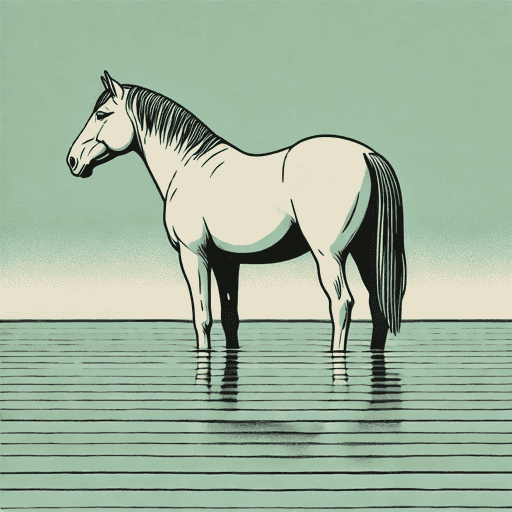
The Scorpio Races
61 pages • 2-hour read
Maggie StiefvaterThe Scorpio Races
A modern alternative to SparkNotes and CliffsNotes, SuperSummary offers high-quality Study Guides with detailed chapter summaries and analysis of major themes, characters, and more.
Symbols & Motifs
Content Warning: This section of the guide includes discussion of gender discrimination, animal death, and death.
The Scorpio Sea
The Scorpio Sea symbolizes the duality of nature, its simultaneous beauty and brutality. Throughout the novel, the sea is both life-giving and taking, embodying the central theme of The Conflicting Beauty and Danger of Nature. It is the birthplace of the capaill uisce, the setting of the race, and the force that shapes the island’s identity. The sea sustains Thisby economically and culturally while being responsible for numerous deaths each year, including those of Sean’s father, Puck’s parents, Tommy, and countless riders. Its presence underscores that nature simply exists with immense power.
The sea’s duality is most clear in how the characters respond to it. For Gabe, the sea represents suffocation and fear, serving as a constant reminder of his stagnation on the island. For Puck, however, it is inseparable from her love of the island. Even after witnessing violence and death repeatedly, she remains drawn to the shoreline. Similarly, Sean maintains an intimate relationship with the sea, not fearing its danger because he understands Corr and the capaill. In one scene, he openly plays with Corr in the sea, noting, “For the first time in days, I laugh. In response to the sound, Corr shakes his head and neck like a dog shedding water. I back up a few steps in the water and he follows me, and then I come after him and kick a splash at his body” (52). Sean’s respect for the sea is emphasized through his friendly relationship and understanding of Corr.
Corr and Dove
Corr and Dove symbolize the connection to nature that shapes Sean’s and Puck’s identities. While the Scorpio Sea represents nature’s vast power, these two horses represent a more personal, intimate relationship with it. Through Corr and Dove, the novel explores how belonging to nature can form the foundation of identity, emphasizing the theme of Belonging Versus Freedom in Identity Formation.
Corr embodies Sean’s deepest ties: to his father, Thisby, and himself. As a capaill uisce, Corr is wild and dangerous, yet Sean does not attempt to dominate him. Instead, their bond is built on trust and understanding. Sean’s desire to own Corr represents his longing for autonomy because, as long as Malvern owns Corr, Sean remains tethered to him. In purchasing Corr, Sean reclaims agency. Corr’s return after Sean attempts to release him into the sea conveys that Sean retains his connection to the ocean even as he crafts his own path in life.
Dove, in contrast, represents Puck’s grounded, steady relationship with nature. She is an ordinary horse, but she is loyal and brave. Riding Dove in a race dominated by water horses reflects Puck’s refusal to abandon her identity for spectacle or tradition, underscoring the theme of Gender and Tradition Breaking. While many of the other racers seek to dominate the capaill, Puck finds strength and courage in the trust and familiarity she shares with Dove.
Together, Corr and Dove highlight two approaches to belonging. Sean’s bond is intense and spiritual, while Puck’s is steady and nurturing. Ultimately, they both reinforce the idea that belonging and freedom coexist when the connection is chosen and centered on trust and respect.
The Mare Goddess
The mare goddess symbolizes tradition and sacred continuity on Thisby and in the Scorpio Races. As a ritual figure who appears during the festival and the riders’ pledge, she embodies the island’s inherited customs and collective identity. Through her presence, the novel explores the theme of gender and tradition breaking, revealing how traditions can evolve. At the festival, her presence unsettles Sean, and he repeatedly tries to figure out who is wearing the costume to overcome his feelings of discomfort. In this way, the mare goddess is a supernatural figure who is shrouded in mystery to the residents of Thisby. However, the novel’s climax, during which Peg gives the costume to Puck, reveals that it was nothing more than a woman wearing a dress and horse’s head. This fact conveys the reality of the traditions on Thisby: They are maintained through custom and are not binding. When Peg then gives the costume to Puck to wear during the race, it serves as a symbolic transferring of that ritual, inviting Puck into the customs of Thisby and allowing her to defeat the gender barrier that tried to prevent her participation.
November Cakes
November cakes, a traditional baked good on Thisby that is primarily produced during the Scorpio Races, symbolize the hidden comforts and value of life on Thisby. Unlike the spectacle of the race or the terror of the sea, the cakes represent the small joys that sustain the island’s people. Throughout the novel, they appear in moments of intimacy and connection. Puck offers one to Sean on the cliffs, and they afterward share them each time they meet to train. Similarly, Holly delights in tasting them as Finn eagerly describes them with pride. These scenes contrast with the violence of the races, emphasizing the parts of island life that outsiders might overlook.

Unlock the meaning behind every key symbol & motif
See how recurring imagery, objects, and ideas shape the narrative.
- Explore how the author builds meaning through symbolism
- Understand what symbols & motifs represent in the text
- Connect recurring ideas to themes, characters, and events