The Second Coming
A modern alternative to SparkNotes and CliffsNotes, SuperSummary offers high-quality Study Guides with detailed chapter summaries and analysis of major themes, characters, and more. For select classroom titles, we also provide Teaching Guides with discussion and quiz questions to prompt student engagement.
Symbols & Motifs
The Second Coming
While the Second Coming means the return of Christ and a new world order in the Christian tradition, Yeats uses it to describe the birth of a mysterious beast. The beast is meant to figuratively subvert the birth of Christ, end the age of morality, and usher in an age of evil and immorality. As Yeats believed history was cyclical, he could also be referring to another evil (in a “First Coming”) that arrived in the prior 2,000-year cycle.
The Sphinx
Although Yeats doesn’t directly call the beast that rises out of the desert a sphinx, the Egyptian icon is a lion’s body with a man’s head, just as Yeats describes. Yeats himself isn’t totally sure what or who the sphinx represents, but he uses the image to symbolize the coming historical phase of evil. His letter to a friend suggests that he later believed Hitler to be the unknown evil predicted in this poem, and his writings in The Vision prove that he anticipated evil figures like Napoleon to appear every 2,000 years. That Yeats uses a beast to illustrate his point is significant, as the Book of Revelation also mentions beasts who usher in the apocalypse.
The Gyre
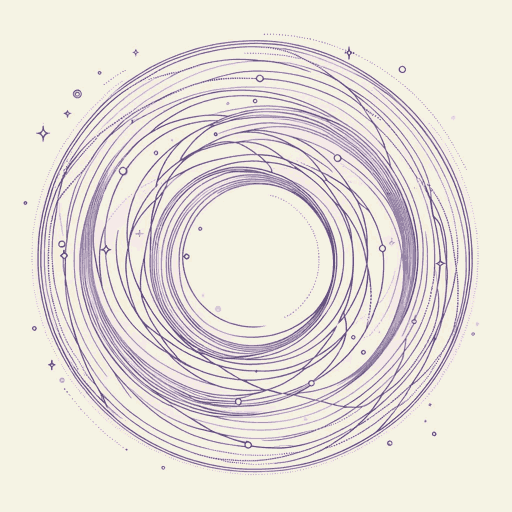
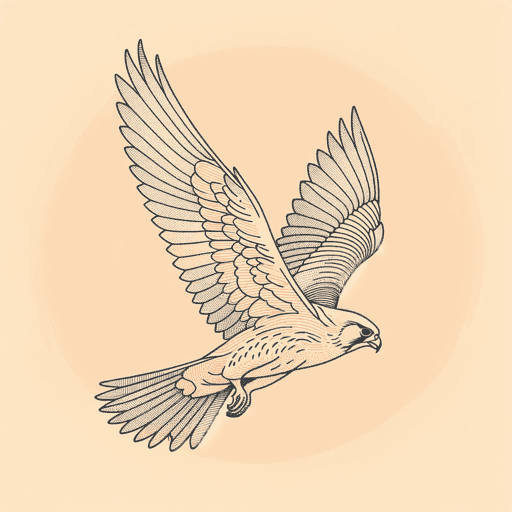
A gyre is a ring or a circling vortex. Yeats had a complicated understanding of gyres due to his occult interests, and he mentions gyres frequently in his writings on the spiritual world. The gyre in “The Second Coming” is a sign of a new historical phase. The falcon, which symbolizes society, circles the gyre like an object might circle a drain, meaning it (society) is on the precipice of a terrible change. Yeats follows the mention of the gyre with other signs of this “second coming” that will hasten a new order, such as tides of blood and anarchy.

Unlock the meaning behind every key symbol & motif
See how recurring imagery, objects, and ideas shape the narrative.
- Explore how the author builds meaning through symbolism
- Understand what symbols & motifs represent in the text
- Connect recurring ideas to themes, characters, and events
Related Titles
By William Butler Yeats