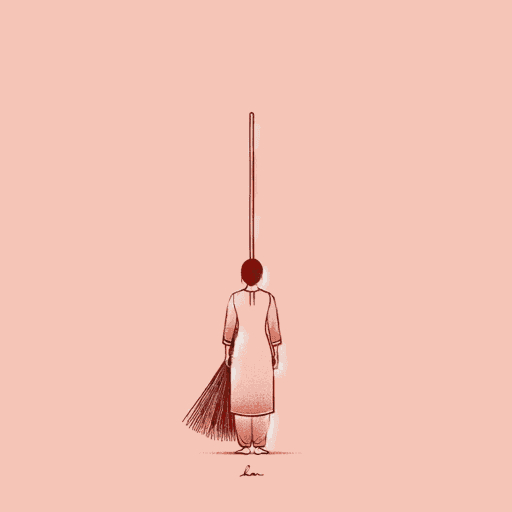
The Space Between Us
52 pages • 1-hour read
Thrity UmrigarThe Space Between Us
A modern alternative to SparkNotes and CliffsNotes, SuperSummary offers high-quality Study Guides with detailed chapter summaries and analysis of major themes, characters, and more.
Symbols & Motifs
The Bombay Seaside
The Bombay seaside is a recurring symbol throughout the book. Bombay is a city of extreme wealth and impoverishment. It is the financial capital of India and home to some of its richest citizens, from businesspeople to film stars. Bombay (current Mumbai) also houses one of the world’s largest slums, Dharavi. This range of extremes makes allows Umrigar to culturally contextualize the divides between Bhima and Sera. Despite their deep differences, both women frequent the Bombay (current Mumbai) seaside for chaat, Bombay’s famous street food.
The seaside symbolizes joy and healing as it bridges the economic divide of the city. Some of Bhima’s happiest memories are of visiting the seaside with Gopal, when their children were young. Bhima begins visiting the seaside again to cheer Maya up after the abortion. Bhima only tells the most painful stories of her past along the seaside. Retelling and sharing these experiences with Maya allows Bhima to heal and process some of the hurt. For Maya, the seaside is where truth is revealed, both about her family’s past and the truth of her pregnancy.
Bhima returns to the seaside after she is dismissed from Sera’s household. She feels drawn to the sea and seeks solace in its waves. The expanse of the sea, over which Bhima releases her balloons, symbolizes the newfound freedom for Bhima at the novel’s climax.
The Afghan Balloon Seller
The Afghan balloon seller is a recurring symbol in the book. Bhima first remembers him when she sees Parvati at the vegetable market and wonders how he, like Parvati, ever made a living selling balloons. The balloon seller symbolizes the myriads of people who find their way to Bombay (current Mumbai), often in exile or diaspora.
The balloon seller stays with Bhima as a symbol of hope despite his melancholy. Bhima feels a sense of kinship with him and believes he was wise despite their limited interactions. The balloon seller once told Bhima that when something is very beautiful, the gods destroy it out of jealousy. This remark suggests the melancholy of the balloon seller’s past, while highlighting the beauty of what he has lost. Bhima admires this quality in him the most.
Bhima is awed by the balloon seller’s smiling dignity and his ability to create something beautiful, despite his loneliness and loss of his homeland to war. The image of the balloon seller returns to her when Sera fires her. She imagines his voice whispering to her, and it gives her a sense of hope that she, too, can face the coming days of uncertainty. In his honor, and to symbolize her newfound freedom, Bhima releases a bunch of balloons across the sea. The release of these balloons connects Bhima and the balloon seller as lonely exiles, yet hopeful about the future.
Maya and Dinaz’s Pregnancies
Pregnancy is a recurring motif in the book. Maya and Dinaz’s pregnancies are juxtaposed against each other frequently. Maya’s pregnancy brings shame, despair, and the loss of a good future. In contrast, Dinaz’s pregnancy is a source of great joy to Sera and represents hope for the future through a new generation. Each pregnancy affects the other family as well—Bhima envies Viraf and Dinaz their good fortune, while Sera is anxious to get Maya an abortion as her pregnancy is casting a gloom over Dinaz’s and affecting Bhima’s ability to work.
The two pregnancies highlight the differences in socioeconomic circumstances between the two women, while also tying them together through narrative parallels. Maya and Dinaz’s unborn children share a father. In Dinaz’s case, her child is considered legitimate, as it was conceived within wedlock. The marriage between Viraf and Dinaz is seen as an acceptable one, as they are on equal footing in terms of religion and class. In Maya’s case, her child through Viraf would only ever be illegitimate, as any kind of relationship between them is made impossible by their differences in background.
The motif of pregnancy illustrates how differently the world treats people due to their socioeconomic backgrounds. Maya is forced to have an abortion and cannot even openly name her child’s father for fear of retribution. She drops out of college, losing her access to education to move upwards in the world. Maya’s family is punished through Bhima’s dismissal, despite Viraf being the one to initiate their affair and take advantage of a teenager. In contrast, Dinaz’s pregnancy is protected and cherished, to the point where she will possibly never learn about her husband’s affair and other, unborn child. The pregnancies explore the theme of India’s Social Fabric of Class, Caste, Gender, and Religion.

Unlock the meaning behind every key symbol & motif
See how recurring imagery, objects, and ideas shape the narrative.
- Explore how the author builds meaning through symbolism
- Understand what symbols & motifs represent in the text
- Connect recurring ideas to themes, characters, and events