The Storyteller
31 pages • 1-hour read
Saki, H. H. MunroThe Storyteller
A modern alternative to SparkNotes and CliffsNotes, SuperSummary offers high-quality Study Guides with detailed chapter summaries and analysis of major themes, characters, and more.
Book Club Questions
General Impressions
Content Warning: This section of the guide contains discussion of child death and antigay bias.
Gather initial thoughts and broad opinions about the book.
1. Saki’s “The Story-Teller” presents two contrasting narratives about “good” children. Which of these stories did you find more compelling, and why? Does the bachelor’s subversive story remind you of other works that challenge traditional morality tales, such as Roald Dahl’s Charlie and the Chocolate Factory, where seemingly “good” children often meet unfortunate fates?
2. The children in the story immediately recognize that being “horribly good” contains a “ring of truth” absent from the aunt’s moralizing tale. What truth about human nature or morality did you find most striking in Saki’s story?
3. How did the humor in “The Story-Teller” affect your reading experience? What purpose does this humor serve in delivering the story’s darker messages about goodness and societal expectations?
Personal Reflection and Connection
Encourage readers to connect the book’s themes and characters with their personal experiences.
1. The bachelor tells a story that subverts traditional moral lessons, suggesting that being “good” doesn’t always protect us from harm. Have there been times in your own life when following all the rules didn’t necessarily lead to a positive outcome? How did this affect your perspective?
2. The children in the story quickly recognize the falsity in the aunt’s moral tale. Think back to your own childhood—how did you respond to obviously moralistic stories or lessons that adults told you? What determined whether you accepted or questioned them?
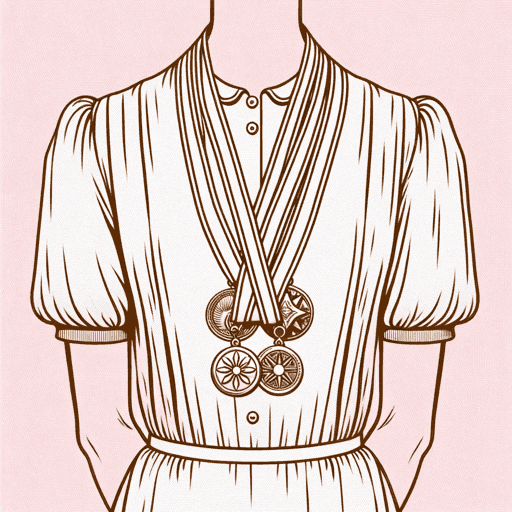
3. Bertha’s medals—symbols of her perfect behavior—ultimately lead to her demise. What accomplishments or qualities have you been praised for that later became complicated or problematic in different contexts?
4. The aunt and the bachelor represent different approaches to interacting with children—rigid morality versus engaging honesty. Which approach resonates more with your own values or experiences, and why?
5. The small girl on the train repeatedly recites the only line she remembers from “On the Road to Mandalay.” What cultural references or quotes do you find yourself repeating, and how has their meaning changed for you over time?
Societal and Cultural Context
Examine the book’s relevance to societal issues, historical events, or cultural themes.
1. “The Story-Teller” was written during the Edwardian era (early 1900s), a time of rigid social convention. How does Saki’s story critique the social expectations of that period, particularly regarding children’s behavior and education? What parallels do you see with contemporary society?
2. The story presents a conflict between proper, moralistic instruction and more honest, albeit darker, narratives. How do you see this conflict playing out in contemporary discussions about what kinds of stories are appropriate for children?
3. Considering H. H. Munro’s background as a gay man living in Edwardian England, how might his personal experiences with social conventions and “propriety” have influenced his portrayal of the bachelor character and the story’s subversive elements?
Literary Analysis
Dive into the book’s structure, characters, themes, and symbolism.
1. How does the story-within-a-story format in “The Story-Teller” enhance Saki’s themes about truth, goodness, and social conventions?
2. The wolf in the bachelor’s story subverts traditional fairy tale tropes, in which wolves usually punish children for misbehaving. How does this subversion contribute to the story’s larger themes about goodness and behavior?
3. Saki uses the oxymoron “horribly good” to describe Bertha, which instantly captures the children’s attention. What does this phrase suggest about excessive virtue or propriety? How does this contradictory description set up the bachelor’s tale?
4. How would you compare the bachelor’s storytelling technique in “The Story-Teller” with Saki’s own narrative style in this and other works like “The Open Window”? What similarities or differences do you notice in their approach to subverting expectations?
5. The children in the train car are described minimally, while Bertha in the bachelor’s story receives more detailed characterization. What effect does this choice have on the story’s impact and message?
6. How do the symbols in the story—particularly the three medals, the park, and the wolf—work together to deliver Saki’s message about the relationship between goodness, reward, and punishment?
Creative Engagement
Encourage imaginative and creative connections to the book.
1. Tell a new story featuring Bertha that would satisfy both the aunt’s desire for a moral lesson and the children’s demand for entertainment. What elements would you include to achieve both goals?
2. The bachelor’s story changes how the children view their aunt and her moral tales. Write a dialogue that might occur between the children and their aunt later that evening when they discuss what they learned from the bachelor’s story.
3. Design a modern-day scenario where the same dynamic between the aunt, the bachelor, and the children might play out. What contemporary setting would highlight the same tensions between propriety and truth?

Unlock all 31 pages of this Study Guide
Get in-depth, chapter-by-chapter summaries and analysis from our literary experts.
- Grasp challenging concepts with clear, comprehensive explanations
- Revisit key plot points and ideas without rereading the book
- Share impressive insights in classes and book clubs