51 pages • 1-hour read
The Tell: A Memoir
A modern alternative to SparkNotes and CliffsNotes, SuperSummary offers high-quality Study Guides with detailed chapter summaries and analysis of major themes, characters, and more.
Symbols & Motifs
Running
Content Warning: This section of the guide includes descriptions of rape and child sexual abuse.
Throughout The Tell, Amy’s habit of running becomes a symbol of her deep-seated desire to escape the abuse that she experienced in middle school, even as she hides the memories from herself and those around her for decades. Amy began running in middle school, at the same time the abuse started. Running made her feel strong, in control, and “proud of the mechanics of [her] body” (3), serving as a direct balm to the shame, fear, and loss of control associated with her abuse. As she became an adult, her compulsive running came to define her. As she ran marathons and triathlons, it was something that “took up so much space in [her] life” (7) and became a physical manifestation of her psychological need to outrun the past. Throughout the text, running indicates the looming presence of Amy’s trauma, illustrating the fact that her childhood abuse still defines and dictates many aspects of her life, even if she isn’t consciously aware of this hidden dynamic.
Claudia’s Dress
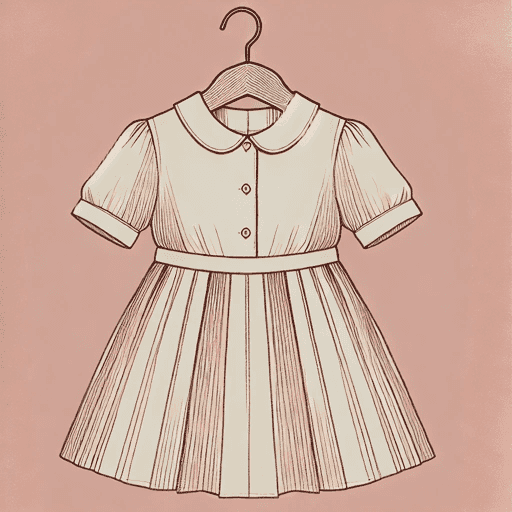
One of Amy’s most vivid memories from middle school was of loaning a dress to her classmate Claudia when she knew the other girl couldn’t afford her own attire for a school dance. Claudia and Amy weren’t close friends, but loaning the dress was one of the first things Amy wrote about in her journal after recovering her memories. She suspected that Claudia was so clear in her mind because she had also been abused by their teacher, and Amy was sure that she could remember seeing her own pain reflected in Claudia’s eyes. She sees the dress as a symbol of this shared pain and understands her urge to help as “a subconscious show of solidarity” (101). However, Claudia categorically denies being abused. Instead of remaining a symbol of their shared pain, the loaned dress becomes a symbol of Amy’s inherent kindness and goodness, of the “essential” self that survives the abuse.
The Toot’n Totum Convenience Store
Amy’s family’s convenience stores in Amarillo, Texas, act as a key symbol of the order and tidiness with which Amy tries to live her life. The stores represented “a world of things, which was ruled by order” (14). They collectively embodied places that exemplified and demanded perfection and neatness. From a young age, this “order was a form of safety” (14) to Amy, and she believed that other aspects of life would be better if they were neatly packaged and presented like the goods on her parents’ shelves. Believing that “things were better when they were convenient” (236), she launched a personal quest for convenience and orderly perfection, repressing her childhood trauma because there is no room for messiness or complexity in her fantasy of “shrink-wrapped” perfection. However, her arduous healing process challenges these beliefs, ultimately making her realize that life will never imitate the order of a convenience store shelf.

Unlock the meaning behind every key symbol & motif
See how recurring imagery, objects, and ideas shape the narrative.
- Explore how the author builds meaning through symbolism
- Understand what symbols & motifs represent in the text
- Connect recurring ideas to themes, characters, and events