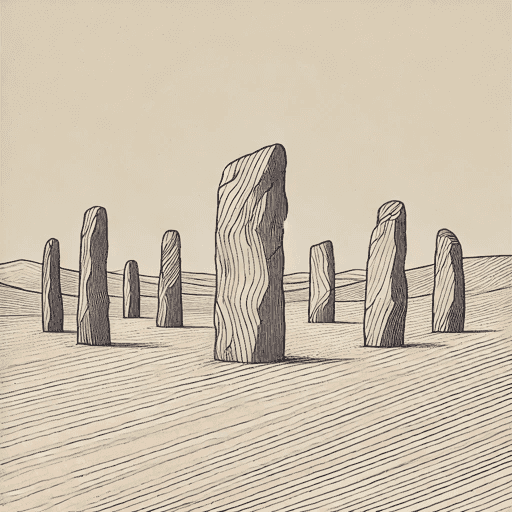
The Tombs of Atuan
50 pages • 1-hour read
Ursula K. Le GuinThe Tombs of Atuan
A modern alternative to SparkNotes and CliffsNotes, SuperSummary offers high-quality Study Guides with detailed chapter summaries and analysis of major themes, characters, and more.
Essay Topics
What is the significance of the motif of light and dark? Using examples from the text, discuss its importance to the character development, plot, or themes.
How might the racist/xenophobic attitudes of the Kargish people, though a minor detail, contribute to the other central elements of the novel, such as the patriarchal society or religion of the empire?
Compare/contrast the different coming-of-age narratives of Ged and Tenar. What do the differences and similarities between their narratives indicate about the characters or themes?
Using examples from the text, discuss and analyze Ged’s character and how the narrative demonstrates this without an internal view of his thoughts and feelings. For instance, how does he feel about Tenar, and how do you infer this from the text?
Using examples from the text, recent news, and personal experience, discuss how any of the major themes might be relevant to real-world contexts.
Explain the meaning and significance of Ged’s statement that “alone, no one wins freedom” (115). What does this indicate about the importance of community, collaboration, and trust?
How do the major themes of faith, patriarchal systems, and freedom inform, influence, or impact each other? What might this say about the interconnectedness of cultural/social power structures?
Some critics, such as Sandra Lindow in her book Dancing the Tao: Le Guin and Moral Development (2012), have criticized the conclusion of the novel as unsatisfying, particularly the ambiguous nature of Ged’s and Tenar’s relationship. Do you find the conclusion satisfying? Explain why/why not using examples from the text.

Unlock all 50 pages of this Study Guide
Get in-depth, chapter-by-chapter summaries and analysis from our literary experts.
- Grasp challenging concepts with clear, comprehensive explanations
- Revisit key plot points and ideas without rereading the book
- Share impressive insights in classes and book clubs