The Witches
The Witches
A modern alternative to SparkNotes and CliffsNotes, SuperSummary offers high-quality Study Guides with detailed chapter summaries and analysis of major themes, characters, and more. For select classroom titles, we also provide Teaching Guides with discussion and quiz questions to prompt student engagement.
Summaries & Analyses
Quizzes
NEWReading Tools
Games
Chapters 19-22Chapter Summaries & Analyses
Chapter 19 Summary: “Mr. Jenkins and His Son“
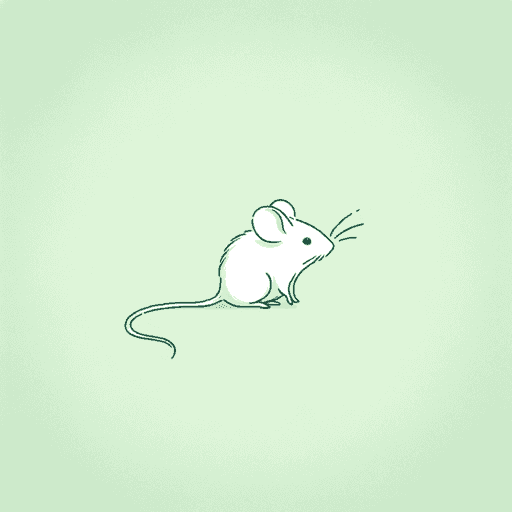
Bruno’s dad moseys up to Grandmamma and curtly asks about the boy. He thinks the boy and Bruno are up to no good, and that maybe the grandma is involved too. Grandmamma says nothing is amiss. The mouse is Bruno. Mr. Jenkins yells at Grandmamma, and the people at the nearby table stare. Bruno appears and confirms he’s a mouse. His father is in shock, but Bruno is happy—no more school or homework; he can live in the kitchen cupboard and eat honey and raisins.
Grandmamma tries to calm Mr. Jenkins. She says they should probably get rid of their cat Topsy, even though Bruno’s mom adores the cat. The grandma then points to the Grand High Witch and says she’s responsible for Bruno’s change. Mr. Jenkins vows to sue her, and Grandmamma says he might want to think twice. The witch could turn him into a cockroach.
Chapter 20 Summary: “The Triumph“
The Grand High Witch stands on her chair and screams. The other witches yell and jump around. Suddenly, they hush and quickly shrink due to the high dosage of potion the boy gave them. People in the dining room gaze at the altering witches. When they turn into mice, the adult diners lose their composure, but the children laugh and cheer.
Grandmamma and the boy calmly exit. On their way out, Grandmamma gives Bruno back to his parents, and his mom screams. In a taxi, Grandmamma informs the driver that her grandson is a mouse, and the driver accepts this information. He likes mice and used to breed them. The boy reminds the grandma about their luggage, but she doesn’t care.
Chapter 21 Summary: “The Heart of a Mouse
The grandma and the boy return to Norway, where the grandma always wanted to live. To make life easier for her grandson, she installs stepladders throughout the house, invents a device for him to open doors, and creates a system so he can turn on the lights. To keep his teeth clean, she makes a tiny toothbrush. For the bathtub, the boy has a silver sugar basin. No one else can enter the house: It’s the boy and his grandma, and they’re happy.
One night, the grandma wonders what happened to Bruno. The boy thinks his dad had him drowned in a fire bucket. The boy then asks about the lifespan of mice. Normal mice live around three years, but the boy is an uncommon type of mouse—a mouse/human—so he’ll likely live around nine years. The boy rejoices. He’ll live for as long as his grandma, who’s 86, and they can die together.
The grandma then tells the boy that his heart beats 500 times a minute, and she can hear it when they fall asleep together. The boy confirms he likes being a mouse—it doesn’t matter what he is because what’s critical is that someone loves him.
Chapter 22 Summary: “It’s Off to Work We Go!“
During dinner in front of the fire, the boy wonders what will happen to the other witches in the world now that the Grand High Witch is gone. The grandma thinks the other witches will stay around and choose another Grand High Witch, as bees do with their queen. The boy is upset. The grandma reminds him they saved the children of England, but the boy wants to do more.
Grandmamma says that she called the police chief in Bournemouth and told him about the strange events at the hotel. She used a man’s voice and said she was the head of the Norwegian police. The English policeman told him the address of the person staying in room 454. People in the village thought the witch was a baroness. She gave lots of money to charity.
The grandma knows the Grand High Witch lives in a castle in Norway. All the names and addresses of the witches are there. The boy can easily enter the castle and destroy the witches with the Formula 86 Delayed Action Mouse-Maker. Grandmamma will make the potion and move into the nearby village. At night, the boy can return home, dine with his grandma, and tell him about what’s happening in the world of witches.
There’s a problem: If all the witches become mice, mouse witches surround the boy. The boy has a solution: cats. After the cats kill the mice witches, the boy and Grandmamma can move into the castle and identify the witches across the globe. They’ll travel the world, hunting witches.
Chapters 19-22 Analysis
Mr. Jenkins’s dialogue with Grandmamma continues to suggest that most adults in the novel’s world are unlikable. While Grandmamma remains calm, Mr. Jenkins is accusatory, not believing his son is a mouse. He yells at Grandmamma: “My son isn’t a mouse! Come on, woman! Where is he? Out with it!” (187). Dahl furthers his boorish behavior through personification, where inanimate objects are given human qualities. The boy says: “His black moustache was jumping up and down like crazy as he spoke” (187). The mustache has humanlike traits in that it can jump up and down. Like Mr. Jenkins, the mustache is throwing a tantrum.
The novel explores family, both good and bad. Mr. Jenkins continues to be intolerant. He doesn’t like his son’s new identity, and he doesn’t want this mouse boy to be a part of his family. Bruno’s dad yells: “I can’t have a mouse for a son!” (188). Bruno’s mom, though less vocal, isn’t very tolerant either. Mr. Jenkins says: “Mrs. Jenkins will go crazy! She can’t stand the things” (189). Mrs. Jenkins doesn’t appear loving or caring. She seems to prefer her cat to her new mouse son. Mr. Jenkins’s threats of legal action highlight his lack of imagination and add humor. He can’t fathom that the witches are beyond human laws and the European judicial system. His threat also links to class and reveals his preoccupation with money. He says: “By gad, I’ll have my lawyers on to her for this! I’ll make her pay through the nose!” The grandma replies: “I wouldn’t do anything rash” (190). Dahl creates a juxtaposition. He puts the greedy, hysterical dad beside the calm grandma. Dahl subverts gender norms again. It’s the man who can’t control his emotions.
To show how the witches metamorphosize, Dahl uses imagery. He uses verbs, such as “screaming, “wiggling,” and “waving” (192). The adults’ reaction to the altered witches shows how grownups are unimaginative and uninspiring. The boy says: “All over the Dining-Room women were screaming and strong men were turning white in the face and shouting, ‘It’s crazy! This can’t happen! Let’s get the heck out of here quick!’” (194). The kids react differently. The boy notes:
They all seemed to know instinctively that something good was going on right there in front of them, and they were clapping and cheering and laughing like mad (195).
Children embody tolerance, imagination, acceptance, and positivity. Even Bruno accepts his identity as a mouse.
The taxicab driver complicates how Dahl portrays adults. After Grandmamma tells the driver her son is a mouse, the driver says: “I always liked mice” (198). Not all grownups are as bad as Bruno’s parents, the hotel manager, and the kitchen workers. The taxi driver and Grandmamma show the adults can be good, though Grandmamma, due to her imagination and tight bond with the boy, comes across as more of a child than an adult.
Grandmamma shows her dedication to the boy and his new identity by adding helpful inventions to her home. Their dialogue about the lifespan of mice reinforces the deep bond between them. The boy is happy that he and his grandma can die together in around nine years. He exclaims: “Good! That’s great! It’s the best news I’ve ever had” (205). It’s as if the boy can’t live without his grandma—his family.
The grandma continues to subvert gender norms. She tricks the police chief into thinking she’s a man. She brags: “I am very good at imitating a man’s voice” (210). Her procurement of the Grand High Witch’s address furthers the spy/secret agent element of the story. The boy and his grandma have a lot more missions to complete. Now, the boy has to infiltrate the castle. As he and his grandma are a team, his grandma will help. After the duo kills the witches in the castle, they’ll travel the world together and squash witches from other countries. Thus, the story has an open ending, suggesting a life and plot beyond the novel. Further adventures lie ahead for the duo, but the reader has to imagine what those are like, as Dahl never published a sequel to The Witches.

Get in-depth, chapter-by-chapter summaries and analysis from our literary experts.
- Grasp challenging concepts with clear, comprehensive explanations
- Revisit key plot points and ideas without rereading the book
- Share impressive insights in classes and book clubs