Symbols & Motifs
Adelina’s Illusions
Content Warning: This section of the guide includes discussion of graphic violence, illness and death, emotional abuse, and physical abuse.
Adelina’s illusions grow in size, strength, definition, and impact throughout the novel. As such, the motif of her illusions symbolizes Adelina’s growth as a protagonist while developing the theme of The Journey to Understanding and Fulfilling One’s True Purpose.
Adelina is both horrified and darkly curious about her first illusions, phantoms that cause her father’s death; but she does not fully understand that her emotions cause the illusions until her terror at the execution stake brings on the locust swarm. She fights for control of the illusions in the cavern as the other Elites try distraction, fear, and physical attack as tactics. It is not until Enzo is disappointed in her that her powers start to respond to her commands. Desperation and anger at that moment drive the illusion of massive black wings—a moment of transformation for Adelina from a malfetto girl to a superhuman whose powers are about to soar. After this milestone, her illusions continue to develop with color, clarity, and complexity. Finally, as Raffaele warily predicted, they have the power to cause others to believe they experience real pain and injury.
Ironically, as her illusions become increasingly powerful and better controlled, Adelina comes to understand that Enzo, the Dagger Society, and Teren are using her. Her emotions become less stable even as her illusions become more life-like, ultimately resulting in Dante’s and Enzo’s deaths.
Hair
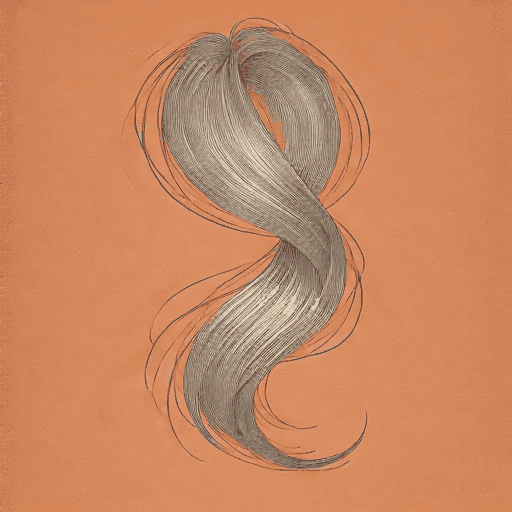
As a symbol, hair is associated with malfettos in the novel. As the blood fever infected its survivors 10 years prior, it made itself known through its impact on hair: “…our hair and lashes flitted from one color to another” (4). Some child survivors became marked malfettos once the fever passed. The marking left by the fever in Adelina and Enzo is their hair color. Adelina’s hair is a changing, unnatural silver: “While my sister’s hair remained a glossy black, the strands of my hair and lashes turned a strange ever-shifting silver…” (4). That Adelina describes her hair in juxtaposition with her sister’s elevates the envy she feels over Violetta’s higher status as a recovered fever victim (ironically, since Violetta eventually reveals she is an unmarked malfetto).
Enzo’s marking is also his hair color: “It looks dark red in the light, so dark it’s almost black, a rich shade of blood that I’ve never seen before […] It is a color not of this world” (46). The unnaturalness of their hair immediately identifies them; they cannot hide it except by hoods, headscarves, and disguises. That both are marked by the same fever reaction foreshadows their emotional connection.
Adelina’s hair symbolizes her malfetto identity in deeper ways as well. Disguising her malfetto identity at the brothel, she must hide her silver hair in Tamouran headscarves. This symbolizes the act of covering a “flaw” for the sake of others’ reaction, despite the significant role the “flaw” plays in one’s true identity. Later, upset over Enzo’s death, Adelina chops her hair off, furious that she lacks normalcy and steadiness; all she feels is bitterness and monstrous rage, built up from society’s, Teren’s, her father’s, and Enzo’s treatment. With this action, Adelina’s hair connects to the theme of The Concept of Monstrosity and Society’s Role in Creating It.
Masks
The novel features a motif of masks. The use of masks adds mystery and intrigue to the atmosphere of scenes set in the brothel and in the streets on the night of the Spring Moons festival. They are also a nod to the setting as masks are associated with the Renaissance’s masquerades, festivals, performances, and ceremonies. A mask hides Enzo’s true identity until he reveals it in a shocking moment at his duel with Teren. Raffaele’s gift of a half-mask to Adelina is a symbol of her attempt to hide behind secrets and keep inside the bitter darkness that drives her choices and illusions.
Additionally, when Adelina’s powers become stronger, she can craft “masks” of disguise in the form of other people’s faces and figures, such as when she masks Violetta’s and her own identity as Tamourans for the duel. Most importantly, Adelina “masks” Enzo’s identity with a Teren illusion in the duel, so that when Inquisitors attempt to step in, they cannot tell which is which. These examples point to the use of masks to confuse others, maintain confidence, and pursue covert objectives; in these ways, masks help to develop the theme of The Impact of Secrecy on Power, Corruption, and Redemption.

Unlock the meaning behind every key symbol & motif
See how recurring imagery, objects, and ideas shape the narrative.
- Explore how the author builds meaning through symbolism
- Understand what symbols & motifs represent in the text
- Connect recurring ideas to themes, characters, and events