47 pages • 1-hour read
Three Days in June
A modern alternative to SparkNotes and CliffsNotes, SuperSummary offers high-quality Study Guides with detailed chapter summaries and analysis of major themes, characters, and more.
Symbols & Motifs
The Cat
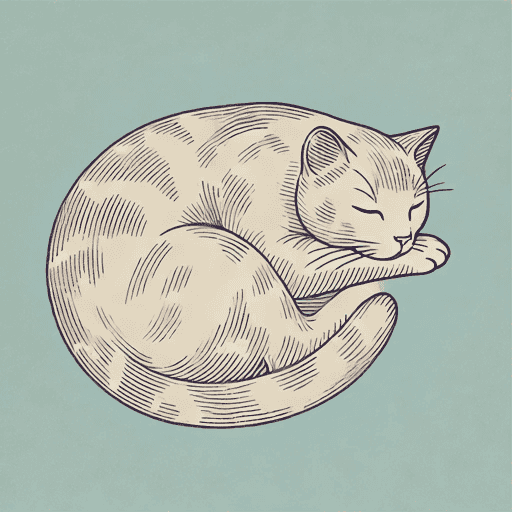
The cat that Max brings to Gail’s house is a symbol with meaning that shifts over time. Initially, it represents what Gail views as Max’s poor boundaries and lack of regard for other people’s perspectives. He chooses to begin fostering the animal right before he is due to spend the three days surrounding his daughter’s wedding at her house: Max has not considered that bringing a new foster animal to a bride-to-be’s home during the hectic time surrounding her wedding might be inconsiderate. When he learns that Kenneth is allergic to cats and that he cannot stay at Debbie’s, he blithely heads to Gail’s, intending to let himself in with her spare key while she is at work. Again, he shows a disregard for other people’s space and feelings: He does not stop to consider the idea that Gail might not want her ex-husband as a house guest or want to host an animal.
Yet, as the novel progresses, Gail and Max’s relationship undergoes an important shift. Gail becomes more charitable toward Max and finds that she can return the kindness that he shows her. They are both experiencing and have begun to ruminate on the way that aging changes people and impacts The Complexities of Familial Relationships. Gail begins the novel with residual resentment toward Max and an adamant opposition to his suggestion that she adopt the cat. However, throughout the wedding, Gail changes not only the way she thinks about Max but also how she understands herself. For one, her ongoing meddling in Debbie’s life forces her to reconsider her initial insistence that she is no longer interested in “caretaking.” However, as Debbie is now an adult, the cat provides a healthier outlet for the maternal feelings Gail previously denied. More broadly, Gail becomes less rigid, less solitary, and less sure that she wants to live alone. She admits to herself that she does still crave connection, and her decision to adopt the cat at the novel’s end is evidence of Gail coming to terms with herself as an emotional being who craves connection, foreshadowing her renewed relationship with Max himself and developing the theme of The Impact of Personal Crises on Self-Perception.
Beauty Salons
Beauty salons represent Gail’s prickly personality and the distance she feels between herself and other women. As the novel begins, Debbie is getting her hair, nails, and makeup done at a salon with Sophie and the rest of the bridal party. Sophie is a stylish woman who pays careful attention to her appearance, and in this way, she contrasts markedly with Gail. Gail has never valued beauty, and women who enjoy beauty treatments have always mystified her. She cuts her own hair, does not wear makeup, and makes an effort to wear clothing that is appropriate but isn’t particularly interested in trends or style. Although Gail would not have enjoyed spending an entire morning in a beauty salon, she feels left out of Debbie’s big day. Gail has a unique personality and does not get along naturally with many people; still, she feels the sting of isolation. There is a part of her that would like to feel more connected to her family and co-workers, but she knows that this is a difficult proposition considering how little she feels she has in common with most people.
Because of Debbie’s makeover day, Gail spontaneously pops into a beauty salon to get her hair done for the rehearsal dinner. The stylist’s chair makes her instantly uncomfortable, and memories of having felt ill at ease in salons in the past consume her thoughts: Feeling unprepared to make small talk with salon staff was part of what prompted her to begin cutting her own hair in the first place. Gail sits grimly through the blowout and styling and is unhappy with the results. The entire experience solidifies her antipathy toward the beauty industry but also makes her feel even more alone: She might wish that she had been invited to Debbie’s salon day, but she understands that she would have hated the entire experience.
Wristwatches
The old-fashioned wristwatch that Gail ruminates on multiple times throughout the novel symbolizes the struggle she is having with coming to terms with how time’s passage and aging have reshaped her life. Many of Tyler’s books wrestle with the passage of time, and her use of the wristwatch as a symbol unites this novel with her broader oeuvre and helps her explore The Nuances of Aging. Gail struggles with the way that the passage of time is impacting her career: Her supervisor’s retirement should have resulted in Gail transitioning into the role of headmistress, but she finds out that this will not happen and that she will be out of a job. Gail is approaching retirement, and she has no clear path forward. Her career has not followed the trajectory she anticipated.
The physical aging process is also not what she anticipated: She finds fault with her appearance at multiple points during the novel and realizes that most people are unprepared for the ways that their bodies change as they enter older age. Aging and transition are not entirely negative, however. Gail is forced to think more reflectively about her career and her relationships as a result of losing her job and confronting the crisis surrounding Debbie’s wedding. The result of this increased capacity for self-understanding is that she recalibrates her relationships with Debbie and Max. Time passing, she realizes, can be positive.

Unlock the meaning behind every key symbol & motif
See how recurring imagery, objects, and ideas shape the narrative.
- Explore how the author builds meaning through symbolism
- Understand what symbols & motifs represent in the text
- Connect recurring ideas to themes, characters, and events